
Why Sound Matters More Than You Think
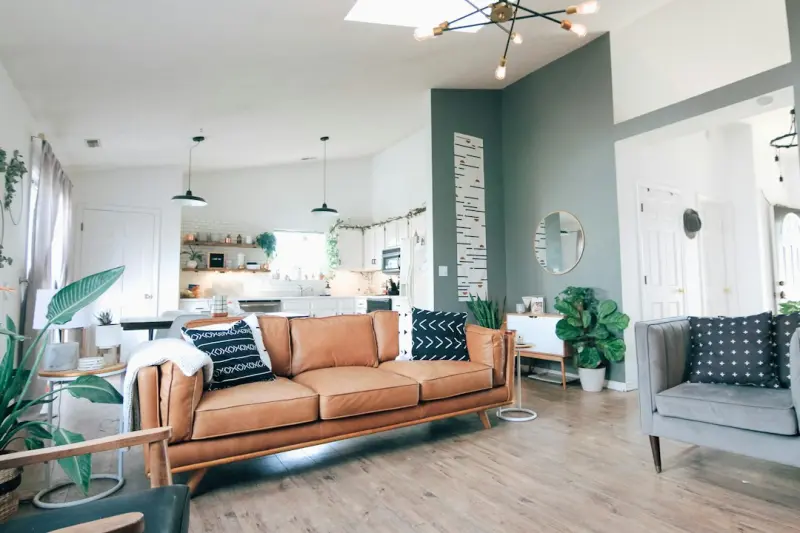
Imagine walking into a living room where the hum of the street fades, the clatter of dishes is muffled, and every conversation feels like it’s happening in a private studio. That sensation isn’t a luxury reserved for concert halls; it’s a design principle you can bring into any home. Acoustic zoning—deliberately shaping how sound travels from room to room—creates pockets of focus, relaxation, and intimacy without the need for expensive renovations.
Understanding the Basics of Acoustic Zoning
Before you start buying panels and placing rugs, it helps to grasp three simple concepts:
- Reflection: Hard surfaces (glass, tile, concrete) bounce sound waves, amplifying noise.
- Absorption: Soft materials (fabric, carpet, acoustic foam) soak up sound, reducing echo.
- Diffusion: Irregular surfaces scatter sound in many directions, smoothing out harsh peaks.
Balancing these three forces lets you control where sound lives, turning a bustling kitchen into a quiet reading nook or a lively family room into a focused work zone.
Step‑by‑Step Guide to Crafting Your Own Sound‑Smart Sanctuary
1. Map Your Noise Landscape
Spend a day noting which rooms generate the most sound and which spaces need silence. Common culprits include:
- Open‑plan kitchens where appliances clatter.
- Home offices adjacent to high‑traffic hallways.
- Bedrooms sharing walls with living areas.
Sketch a simple floor plan, marking “noisy” zones in red and “quiet” zones in blue. This visual will be your roadmap.
2. Choose the Right Materials for Each Zone
For noisy zones, aim for high absorption. Thick curtains, plush rugs, and upholstered furniture are inexpensive allies. In quiet zones, you want to prevent external noise from intruding, so focus on diffusion and sealing gaps.
Absorptive Solutions
- Heavy drapery: Look for fabrics with dense weaves; they double as style statements.
- Cord‑wrapped acoustic panels: Available in neutral colors, they blend with décor while soaking up chatter.
- Layered flooring: Place a high‑pile rug over a thin underlay for extra muffling.
Diffusive Solutions
- Bookshelves with staggered shelves: Books create irregular surfaces that scatter sound.
- Decorative wall art with varied textures: Think woven wall hangings or reclaimed wood pieces.
- Ceiling clouds: Lightweight, suspended panels can break up sound pathways without lowering ceiling height.
3. Seal the Gaps
Even the best materials won’t help if sound leaks through door frames, windows, or utility chases. Use weather‑stripping on doors, acoustic sealant around windows, and insulated pipe wraps. These tiny fixes often yield the biggest reductions in unwanted noise.
4. Integrate Functional Design Elements
Acoustic zoning isn’t just about sound; it’s an opportunity to enhance aesthetics:
- Furniture placement: Position a sofa with a dense backrest opposite a noisy kitchen to act as a natural barrier.
- Room dividers: Choose fabric screens that absorb rather than reflect, providing both privacy and silence.
- Plants (yes, the green kind): Large‑leaf foliage adds a subtle absorption layer while bringing life to the space.
5. Test and Tweak
After implementing changes, walk through each zone with a smartphone recording app. Play a familiar soundtrack or speak at a normal volume, then listen to the playback to gauge echo and bleed. Adjust by adding or repositioning panels until you achieve the desired balance.
Special Considerations for Multi‑Purpose Rooms
Many homes now feature rooms that serve both as a workspace and a family gathering spot. Here’s how to keep them functional:
Dual‑Mode Acoustic Panels
Choose panels with a reversible design—one side with a high‑absorption fabric for work hours, the other with a decorative surface for family time. Switching sides is as easy as flipping a picture frame.
Dynamic Lighting Meets Sound
While you’re refining acoustics, consider lighting that adapts to the room’s purpose. Warm, dimmable lights encourage relaxation, whereas bright, focused illumination supports productivity. Pairing the right light with the right sound creates a cohesive environment.
Real‑World Inspiration: From Entryways to Home Offices
Even a modest entryway can become a strategic acoustic buffer. By adding a welcoming entryway design that incorporates a sturdy coat rack, a thick rug, and a wall‑mounted acoustic panel, you can dampen street noise before it reaches the interior.
Similarly, a home safety essentials checklist reminds us that protecting our space isn’t just about locks and alarms—it’s also about safeguarding the auditory comfort of our families.
For those who love experimenting with technology, exploring generative tools can help you model sound diffusion in a 3‑D layout before making any purchases, ensuring you invest wisely.
Budget‑Friendly Hacks to Boost Acoustic Quality
Acoustic upgrades don’t have to break the bank. Here are some wallet‑wise ideas:
- DIY fabric panels: Stretch a dense fabric over a wooden frame; hang it like art.
- Bookcase barriers: Fill shelves with books and decorative items to create a sound‑blocking wall.
- Heavy curtains from thrift stores: Repurpose vintage drapes for excellent absorption.
- Floor cushions: Large floor pillows can double as seating and sound absorbers in casual zones.
Maintaining Your Acoustic Zones Over Time
Just as you’d clean windows and dust surfaces, acoustic elements need occasional care. Vacuum fabric panels gently, rotate rugs to prevent uneven wear, and check sealants annually for cracks. A well‑maintained acoustic environment continues to provide comfort for years to come.
Final Thoughts: Sound as a Design Ally
When you treat sound with the same intentionality as color or texture, you unlock a hidden layer of home comfort. Acoustic zoning empowers you to shape experiences—whether you need concentration for a video call, a tranquil space for bedtime stories, or a lively backdrop for dinner parties. Start small, listen closely, and let the quiet power of thoughtful sound design transform your everyday life.

Margaret Thomson is a seasoned freelance writer specializing in the dynamic worlds of marketing and advertising. With a career deeply rooted in the marketing field, Margaret brings a wealth of practical experience and insightful knowledge to her writing.
Related Posts

Transform Your Home into a Year‑Round Sanctuary
Discover easy, budget‑friendly ways to turn every room into a soothing sanctuary with layered ligh... Read More
Transform Your Living Space with Sensory Home Design
Learn to upgrade your home’s atmosphere using sound‑absorbing materials, layered fragrances, tac... Read More
Revitalize Your Home with Sensory‑Smart Design Hacks
Margaret Thomson shares simple, sensory‑smart strategies—light, sound, texture, and scent—to t... Read More
Top Posts

Composable SaaS Architecture: Building Flexible Products at Scale
Composable SaaS architecture breaks monoliths into micro‑frontends and API‑first services, delivering faster releases, greater resilience, and scalable flex...Read More

The Secret Sauce of Consumer Attention: How Micro‑Narratives Dominate Modern Campaigns
Explore the power of micro‑narratives in digital marketing—how concise, emotionally resonant stories built on trust and data can dominate consumer attention...Read More

Riding Google’s AI Wave: A Human‑First Marketer’s Playbook
Learn to surf Google’s AI wave by prioritizing empathy, storytelling, and flexible content—turning algorithmic changes into growth opportunities for your br...Read More

Permissionless Personalization: Ethical Data Strategies for Modern B2B Digital Marketing
Explore a fresh framework for B2B digital marketing that blends intent‑first data, human‑centric storytelling, and transparent activation, enabling ethical ...Read More
0 Comments
Post Comment
You will need to Login or Register to comment on this post!