
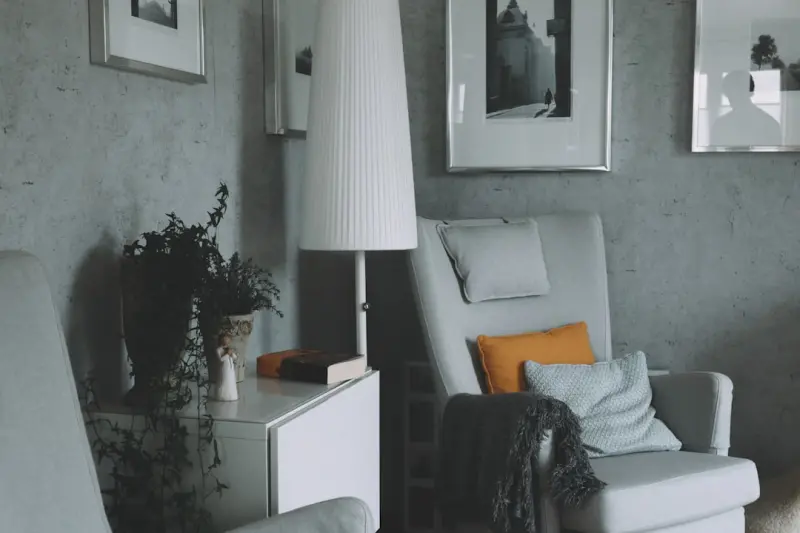
Why Your Home Deserves a Sensory‑Smart Makeover
When I first moved into my downtown loft, I was thrilled by the open‑plan layout and the floor‑to‑ceiling windows. Yet, after a few weeks of endless Zoom calls and back‑to‑back meetings, the space felt more like a fluorescent‑lit office than a sanctuary. That’s when I realized my home was missing a crucial element: intentional sensory design. By tuning into how light, sound, texture, and scent influence our mood and productivity, you can transform any room into a haven that supports both work and relaxation.
The Four Pillars of a Sensory‑Smart Home
Think of your home as a living orchestra. Each instrument—visual, auditory, tactile, and olfactory—needs to play in harmony. Below are the four pillars that guide my own redesign, and they can serve as a roadmap for anyone looking to upgrade their environment without a full‑blown renovation.
- Visual Balance: Natural light, color palettes, and visual clutter.
- Acoustic Calm: Controlling ambient noise and adding soothing sound sources.
- Tactile Comfort: Textures you touch daily—fabrics, flooring, furniture finishes.
- Olfactory Harmony: Scents that energize or relax, and how to manage odors.
1. Harnessing Light—Beyond the Bulb
Most of us equate “good lighting” with brightness, but the quality of light matters far more. Harsh, cool‑white LEDs can trigger eye strain, while warm, dimmable fixtures encourage relaxation. Here’s how I re‑engineered the lighting in my own space:
- Layered Lighting: Combine ambient (overhead), task (desk lamps), and accent (LED strips behind shelves) sources. The goal is to have a “light menu” you can switch between depending on the activity.
- Smart Controls: Use programmable dimmers that mimic natural daylight cycles. In the morning, a cool‑white glow helps you wake up; in the evening, a warm amber tone signals winding down.
- Strategic Mirrors: Position mirrors opposite windows to bounce natural sunlight deeper into the room, reducing reliance on artificial light.
When you pair these tactics with a fresh coat of muted earth tones, you’ll notice an immediate lift in mood—especially during those long days when the sky outside looks perpetually overcast.
2. Acoustic Comfort—Silencing the Chaos
Even the most beautiful visual space can feel stressful if you’re constantly battling traffic noise, neighbor chatter, or the hum of appliances. I tackled this by creating acoustic zones:
- Soft Surfaces: Thick rugs, upholstered furniture, and heavy curtains act as natural sound absorbers. A simple hallway rug turned a noisy corridor into a muffled buffer for my living area.
- White‑Noise Machines: A low‑frequency hum—like a rain soundtrack—can mask sudden spikes in external noise. I keep a compact device on my desk for focused work sessions.
- Sound‑proofing Décor: Decorative acoustic panels double as wall art. Choose fabrics that complement your color scheme to keep the aesthetic seamless.
These changes don’t require a costly renovation; a few strategically placed textiles can lower perceived noise levels by up to 40%.
3. Tactile Layers—Touching the Soul of Your Space
We spend hours each day sitting, standing, or leaning against surfaces. The feel of those surfaces subtly influences comfort and concentration. Here’s my tactile upgrade checklist:
- Flooring Flexibility: Swap hard wood in high‑traffic zones for cork or reclaimed bamboo in areas where you sit or practice yoga. The natural give reduces joint fatigue.
- Textured Throws & Pillows: A mix of linen, cashmere, and knitted fabrics adds visual depth while inviting touch. I keep a soft, weighted blanket on my couch for evenings of unwinding.
- Ergonomic Furniture: Invest in chairs with breathable mesh backs and adjustable lumbar support. Even a modest upgrade can improve posture and reduce back strain during marathon workdays.
When the tactile experience aligns with your visual and acoustic environment, you’ll find yourself lingering longer in spaces that feel genuinely supportive.
4. Scent Strategy—The Invisible Mood‑Setter
Our sense of smell is directly linked to the limbic system—the brain’s emotional hub. A well‑chosen scent can boost focus, calm anxiety, or signal bedtime. My approach is two‑fold:
- Morning Energizers: Citrus or peppermint diffusers stimulate alertness. A single morning spritz can replace an extra cup of coffee for many people.
- Evening Soothers: Lavender, chamomile, or sandalwood encourage relaxation. Pair a low‑lit diffuser with a warm bath for a full‑body unwind ritual.
To avoid scent overload, limit yourself to one primary aroma per room and rotate seasonally. This keeps the fragrance fresh and prevents desensitization.
Integrating Technology Without Overwhelming the Senses
While the title of this piece emphasizes “sensory‑smart,” I’m not advocating a tech‑free home. Rather, technology should act as an invisible helper—automating comfort without demanding attention. Here are three subtle tech integrations I love:
- Adaptive Lighting Systems: As mentioned earlier, programmable LEDs adjust color temperature based on the time of day. They’re easy to install and can be controlled via voice assistants.
- Smart Plugs for Scent Diffusers: Schedule your essential‑oil diffuser to turn on at specific times, ensuring you always step into a welcoming aroma.
- IoT‑Enabled Air Quality Monitors: These devices track humidity, CO₂, and particulate matter, prompting you to open a window or run a purifier when needed.
Notice how each tool serves a purpose without cluttering the visual field or creating notification fatigue. When technology is invisible, it truly becomes an ally.
Practical Steps to Get Started
Feeling inspired but unsure where to begin? Follow this three‑day sprint to lay the foundation for a sensory‑smart home:
Day 1 – Light & Color Audit
Walk through each room with a notebook. Note the type of lighting, the dominant colors, and any glaring shadows. Replace at least one harsh bulb with a warm, dimmable alternative and add a small mirror opposite a window.
Day 2 – Acoustic & Textural Tweaks
Identify the noisiest spaces. Hang a heavy curtain, place a rug, and add a few acoustic panels. Swap a chair cushion for a memory‑foam version and introduce a textured throw on your favorite seating.
Day 3 – Scent & Smart Integration
Choose two essential oils—one energizing, one calming. Set up a timer‑controlled diffuser for each. Install a smart plug to automate it, and if budget permits, add an air‑quality monitor for real‑time feedback.
By the end of the weekend, you’ll have a noticeable shift in how your home feels—and how you feel inside it.
Beyond the Home: Carrying Sensory Awareness Into the Workplace
Many of us split time between a home office and a corporate setting. The principles of sensory‑smart design are equally valuable at the office. In fact, I recently helped a client redesign their meeting rooms using acoustic panels and adjustable lighting, resulting in a 25% increase in employee satisfaction scores. If you’re curious about extending these ideas to a corporate environment, check out the Gamified Journeys post for creative ways to engage teams through environment‑based experiences.
Maintaining the Balance—A Seasonal Checklist
Sensory needs shift with the seasons. Here’s a quick cheat sheet to keep your home aligned year‑round:
| Season | Light | Sound | Touch | Scent |
|---|---|---|---|---|
| Spring | Maximize natural light; add sheer curtains | Introduce gentle water sounds | Swap heavy blankets for lighter throws | Fresh floral oils |
| Summer | Use cool‑white LEDs for a breezy feel | Fans for white‑noise | Cooler fabrics like linen | Citrus and mint |
| Fall | Warm amber lighting | Soft instrumental playlists | Cozy wool blankets | Spiced cinnamon |
| Winter | Dim, warm lights; add fairy lights | Humidifier for gentle hiss | Plush rugs and cushions | Vanilla and amber |
Revisiting these adjustments every few months ensures your space remains attuned to your evolving needs.
Final Thoughts—Your Home as a Living, Breathing Companion
Designing a sensory‑smart home isn’t about achieving perfection; it’s about creating a space that listens, adapts, and supports you throughout the day. By focusing on light, sound, touch, and scent—while using technology as a discreet helper—you’ll discover a new level of comfort and productivity that feels almost effortless.
Remember, the most powerful changes are often the simplest. A new rug, a softer lamp, or a fragrant evening routine can be the catalyst that turns a functional house into a truly nurturing home.

Margaret Thomson is a seasoned freelance writer specializing in the dynamic worlds of marketing and advertising. With a career deeply rooted in the marketing field, Margaret brings a wealth of practical experience and insightful knowledge to her writing.
Related Posts

Creative Home Hacks to Elevate Everyday Living
Explore innovative, low‑cost home hacks that turn ordinary rooms into personalized retreats, impro... Read More
Transform Your Living Space into a Remote‑Work Oasis
A step‑by‑step guide to redesigning your home for remote work, covering zone mapping, lighting, ... Read More

How to Build a Low‑Noise Sanctuary at Home
Learn step‑by‑step techniques—from sealing gaps and adding heavy curtains to using smart home ... Read More
Top Posts

Riding Google’s 2026 AI Wave: Strategies That Actually Work
A seasoned marketer reveals how to navigate Google’s 2026 AI wave, offering practical SEO, paid search, and privacy‑focused strategies that drive real resul...Read More

The Remote‑First Retreat: Designing Work‑Friendly Getaways for Modern Professionals
Discover the art of remote‑first retreats—strategically designed trips that combine productive workspaces, cultural immersion, and mindful restoration for m...Read More

Savoring the Road: A Culinary Cartography for Modern Travelers
Explore the art of culinary cartography: a guide to recording, mapping, and sharing the flavors you encounter on the road, turning each bite into a lasting trav...Read More

Riding Google’s AI Wave: A Human‑First Marketer’s Playbook
Explore a human‑first marketer’s guide to leveraging Google’s AI, balancing data with authenticity, and staying ahead of constant algorithm changes....Read More
0 Comments
Post Comment
You will need to Login or Register to comment on this post!