
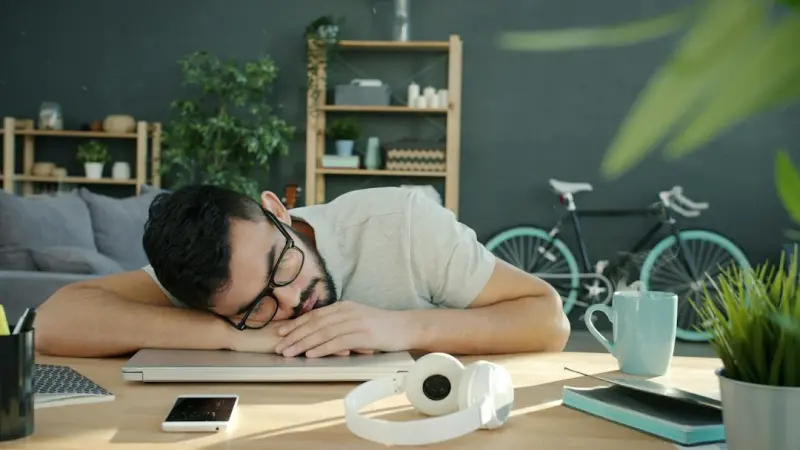
When the line between office and living room blurs, the quiet moments we used to steal for a quick nap or a night of uninterrupted sleep become the most valuable commodity. I’ve spent the last decade sprinting through product launches, scaling SaaS platforms, and coaching teams on everything from cloud architecture to brand ambassadorship. Yet the single habit that consistently showed up as the differentiator between burnout and breakthrough wasn’t a new tool or a clever algorithm—it was the quality of our sleep.
Why Sleep Is No Longer a “Nice‑to‑Have”
Remote work has gifted us flexibility, but it’s also gifted us the temptation to blur boundaries. Late‑night emails, endless Slack threads, and the constant ping of notifications create a cognitive load that seeps into the night. When we neglect the restorative power of sleep, we’re not just sacrificing rest—we’re compromising immune function, hormone balance, memory consolidation, and the very creative spark that fuels innovation.
Research consistently shows that sleep deprivation reduces decision‑making accuracy by up to 30% and slows reaction times to the point where it rivals a blood‑alcohol level of .05. For SaaS leaders juggling product roadmaps and customer escalations, those milliseconds matter.
The Data Revolution in Sleep
Remember the days of waking up feeling “refreshed enough” after a vague 7‑hour night? Today, wearables, smart mattresses, and AI‑driven sleep platforms give us granular insight into each sleep stage, heart‑rate variability, and even ambient temperature fluctuations. The data isn’t just a novelty—it’s a roadmap.
Here’s how you can turn raw numbers into actionable habits:
- Identify Your Baseline. Use a wearable for at least a week without changing any habits. Look for patterns: average total sleep time, sleep‑onset latency, and time spent in deep (slow‑wave) sleep.
- Spot the Disruptors. Elevated heart‑rate variability or frequent awakenings often correlate with caffeine intake after 2 p.m., blue‑light exposure, or late‑night workouts.
- Set Incremental Goals. If your deep‑sleep percentage is 10 % lower than the optimal 20‑25 %, aim for a 2‑3 % increase each week by tweaking one variable at a time.
Environmental Tweaks That Actually Work
Most of us assume that a comfortable mattress is enough. In reality, the bedroom ecosystem is a finely tuned orchestra. Consider these evidence‑based adjustments:
- Temperature Control. The ideal sleep environment sits between 60‑67 °F (15‑19 °C). Smart thermostats can automatically lower the temperature 30 minutes before you intend to fall asleep, triggering the body’s natural drop in core temperature.
- Light Management. Blue‑light wavelengths suppress melatonin production. Install smart bulbs that shift to a warm amber hue after sunset, or simply use a pair of blue‑light blocking glasses if you must work late.
- Soundscapes. White noise machines, or even a low‑volume fan, can mask disruptive household sounds. The key is consistency; the brain learns to associate the sound with sleep.
Nutrition and Hydration: The Unsung Sleep Architects
What you eat before bed can be as impactful as the pillow you rest your head on. Here are the top three nutrition hacks:
- Magnesium‑Rich Snacks. A handful of almonds or a cup of pumpkin seeds can boost magnesium levels, a mineral known to relax muscles and calm the nervous system.
- Complex Carbohydrates. A small bowl of oatmeal or whole‑grain toast paired with protein helps increase tryptophan uptake, which the brain converts into melatonin.
- Limit Liquids. While staying hydrated is crucial, excessive fluid intake within two hours of bedtime can fragment sleep with bathroom trips.
Micro‑Movements for Sleep Quality (Without Repeating the Same Theme)
Even if you’re not a fan of the micro‑movements trend, incorporating brief, intentional stretches before bed can signal the nervous system that it’s time to wind down. Think of a 2‑minute cat‑cow flow or gentle neck rolls—activities that lower cortisol without raising heart rate.
Digital Boundaries: The Power of a Planned Disconnect
One of the most effective, yet under‑utilized, strategies is a scheduled digital detox window. This doesn’t mean a week‑long retreat (although those are fantastic). It means a nightly “tech curfew” where all screens are turned off at least one hour before sleep. The result? A smoother transition into the night’s natural melatonin surge.
Building a Sleep‑First Routine
Consistency beats intensity every time. Here’s a 7‑day template you can adapt:
- Day 1‑2: Baseline Tracking. Wear your device, log bedtime, and note any nighttime disruptions.
- Day 3‑4: Light & Temperature. Implement smart lighting and thermostat settings.
- Day 5‑6: Nutrition Adjustments. Add magnesium‑rich foods and limit caffeine after noon.
- Day 7: Tech Curfew. Enforce a strict no‑screen rule after 9 p.m., replacing phone time with a book or meditation.
After the first week, reassess your data. You’ll likely see a modest increase in total sleep time and a clearer proportion of deep sleep. Celebrate those wins and iterate—perhaps adding a short meditation session or trying a weighted blanket next month.
Mindset: From “I Need Sleep” to “Sleep Fuels My Success”
Our culture glorifies the hustle, but the most sustainable high performers treat sleep as a non‑negotiable strategic asset. Reframe the narrative: instead of asking “Can I afford to sleep?”, ask “How can better sleep accelerate my product launches and client relationships?” This mental shift fuels discipline and makes the nightly routine feel less like a sacrifice and more like a competitive advantage.
Future‑Facing Sleep Tech (A Glimpse Ahead)
While we have powerful wearables today, the next wave of sleep tech promises even deeper integration:
- Contact‑less Bed Sensors. Devices that sit under the mattress and capture movement, respiration, and even blood‑oxygen levels without a wrist strap.
- AI‑Powered Sleep Coaching. Platforms that analyze months of data, predict upcoming sleep disturbances, and suggest pre‑emptive adjustments.
- Personalized Light Therapy. Smart windows that mimic sunrise and sunset cycles based on your circadian rhythm, reducing reliance on artificial lamps.
Staying curious about these developments will keep you ahead of the curve, but remember—the fundamentals (dark, cool, calm) will always be the foundation.
Takeaway Checklist
- Track your sleep for a full week before making changes.
- Set bedroom temperature between 60‑67 °F.
- Dim lights and block blue light after sunset.
- Incorporate magnesium‑rich snacks and limit late‑night caffeine.
- Practice 2‑minute micro‑movement stretches before bed.
- Enforce a nightly tech curfew at least one hour before sleep.
- Review wearable data weekly and adjust one variable at a time.
When you treat sleep with the same rigor you apply to product roadmaps, you’ll notice sharper focus, quicker problem‑solving, and a steadier emotional baseline—all the ingredients of a resilient, high‑performing remote professional.

Paul Flynn is a versatile freelance writer equipped with a diverse skillset and a portfolio that reflects his wide-ranging interests and expertise. From crafting compelling website copy and engaging blog posts to delivering in-depth articles and meticulously researched reports, Flynn demonstrates a remarkable ability to adapt his writing style to suit various audiences and purposes.
Related Posts

Hydration Hacks: Fueling Remote Brainpower and Wellness
A deep dive into how intentional water intake can sharpen cognition, elevate mood, and improve overa... Read More
Unlocking Your Body Clock: How to Align Daily Routines with Your Natural Chronotype
Learn to recognize your natural body clock and redesign daily habits—work, meals, light exposure, ... Read More
The Hidden Health Benefits of Structured Micro‑Breaks for Knowledge Workers
A personal guide from Michelle Fisher on why brief, structured pauses throughout the workday can tra... Read More
Top Posts

Google Vertex AI: Unlocking Custom ML Power for SaaS Growth
This post details why Google’s Vertex AI is a strategic advantage for SaaS companies, covering its unified stack, integration with micro‑service architectur...Read More

Beyond the Guidebook: Uncovering the Soul of a Destination Through Food, Sound, and Community
Explore a new way to travel that focuses on tasting local dishes, listening to street sounds, and living with communities, offering sustainable tips and storyte...Read More

Rediscovering the Joy of Slow Rail Travel
Step aboard historic trains, savor regional flavors, and forge lasting connections as we uncover why traveling by rail transforms journeys into lasting memories...Read More

Micro‑Moments & Short‑Form Video in B2B Marketing
Learn why micro‑moments matter for B2B marketers and how short‑form video can be integrated into your strategy, from production tips to data‑driven measur...Read More
0 Comments
Post Comment
You will need to Login or Register to comment on this post!