
The Call of the Green: Why We Need Nature Now
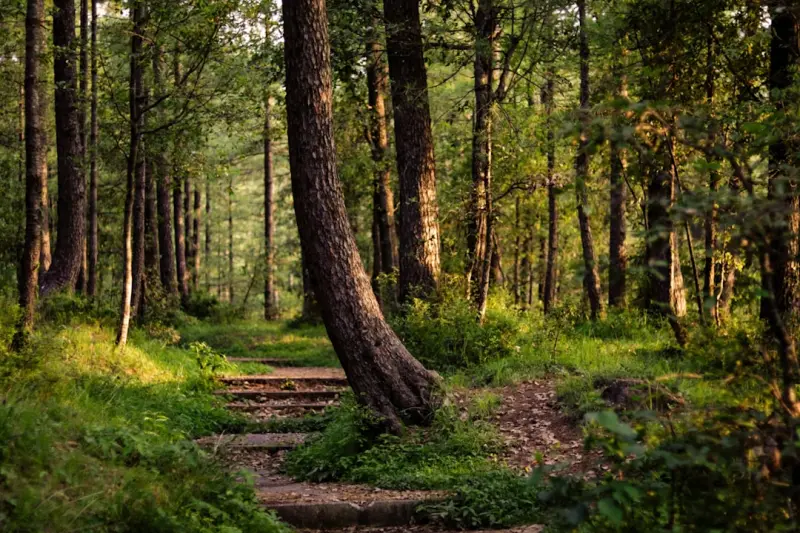
Ever since I traded my city apartment for a cottage on the edge of a pine forest, I have felt a quiet shift in my body’s rhythm, a subtle re‑calibration that no yoga class or meditation app could replicate; the air itself seemed to carry a different charge, one that coaxed my nervous system to unwind and my mind to settle into a steadier tempo. Forest bathing, a practice rooted in Japanese shinrin‑yoku, invites us to step beyond the hustle and simply absorb the forest’s ambiance, and the science is finally catching up to what our ancestors sensed intuitively—exposure to phytoncides, the aromatic compounds released by trees, can lower cortisol, reduce heart rate, and even increase natural killer cell activity, essentially giving our immune system a gentle boost. As someone who has watched friends battle burnout after endless screen time, I found that the most profound health transformation came not from a new supplement but from the intentional act of walking slowly among trunks, feeling the bark, and listening to the chorus of leaves, an experience that reshaped my definition of wellness.
The Science Behind the Serenity
Researchers at the University of Tokyo measured participants’ stress hormones before and after a 20‑minute stroll through a temperate forest and discovered a dramatic 30 percent drop in cortisol levels, a result that mirrored similar findings in studies conducted across Scandinavia and North America, confirming that the benefits are not confined to any single ecosystem; this hormonal shift is accompanied by a rise in parasympathetic activity, the part of the autonomic nervous system responsible for “rest‑and‑digest” functions, which translates into lower blood pressure and improved digestion. Moreover, a meta‑analysis published in the International Journal of Environmental Research and Public Health highlighted that regular exposure to green spaces can enhance mood, sharpen attention, and even mitigate symptoms of anxiety and depression, suggesting that the forest’s influence extends far beyond the fleeting relaxation of a weekend hike. What struck me most was the emerging evidence that forest bathing can modulate the gut microbiome, fostering a more diverse bacterial community that communicates with the brain via the gut‑brain axis, thereby influencing emotional regulation and resilience.
Creating a Mini‑Forest at Home
While not everyone can retreat to a secluded woodland at will, the principles of forest bathing can be distilled into a home environment by curating a “green corner” that invites the senses to engage with living plants, natural textures, and diffused sunlight; I began by placing a collection of potted ferns, a small indoor tree, and a bamboo water feature near a window that receives morning light, and I quickly noticed a calming effect that lingered long after I left the room. To deepen the experience, I incorporated elements such as a wooden meditation bench, a scented candle infused with cedarwood, and a simple soundtrack of rustling leaves, turning the space into a sensory sanctuary where I could sit, breathe, and let my thoughts drift like dappled sunlight through canopy gaps. For those seeking inspiration, the article Hidden Gems: Transforming Everyday Spaces with Clever Home Hacks offers creative ideas that align perfectly with the goal of bringing nature’s restorative power into everyday living spaces.
Integrating Forest Bathing Into a Busy Schedule
One of the biggest misconceptions about forest bathing is that it requires a full‑day excursion, but the practice can be scaled to fit even the most demanding calendars; a 15‑minute mindful walk in a city park, a brief pause under a street‑side tree, or even a lunchtime stroll through a botanical garden can trigger the same cascade of physiological benefits if approached with intention and awareness. I schedule “green breaks” three times a week, setting a reminder on my phone to step outside, leave my phone on silent, and focus solely on the texture of bark, the scent of pine, and the rhythm of my footsteps, allowing my mind to reset and my body to release tension; over time, these micro‑sessions have become a non‑negotiable part of my routine, much like brushing my teeth, and they have noticeably lowered my reliance on caffeine and over‑the‑counter stress relievers. For anyone skeptical about carving out time, the habit‑forming insights shared in How AI is Becoming Your Personal Habit Coach can be adapted to set gentle, automated cues that remind you to seek nature’s embrace.
Seasonal Shifts: Tailoring Your Experience
Each season paints the forest with a distinct palette and offers unique sensory cues, and adapting your bathing practice to these changes can amplify the therapeutic effects; in spring, the burst of new leaves and the subtle perfume of blossoms stimulate dopamine pathways, fostering optimism, while the lush greenery of summer provides a cooling canopy that supports thermoregulation and reduces inflammation through the inhalation of fresh, oxygen‑rich air. Autumn introduces a rich tapestry of amber tones and earthy aromas from decaying foliage, which have been linked to increased melatonin production, aiding sleep quality, and winter’s crisp, barren landscapes encourage mindful stillness, prompting the body to conserve energy and engage deeper restorative processes. I make it a point to notice these nuances, adjusting my walking pace, breathing depth, and reflective journaling prompts to align with the prevailing environmental cues, thereby honoring the cyclical rhythm of nature and allowing my body to sync its internal clock with the external world.
Mindful Practices to Deepen Connection
Beyond simply walking, adding intentional practices such as “sensory scanning”—where you pause to fully observe the color of moss, the texture of bark, the sound of distant birdcalls—creates a richer neural imprint that reinforces the calming response, and research suggests that this heightened awareness can boost neuroplasticity, strengthening pathways associated with emotional regulation and attentional control. I often carry a small notebook to jot down fleeting impressions, a habit that mirrors the reflective journaling recommended in the breath‑focused guide Unlocking the Power of Breath: A Fresh Path to Whole‑Body Health, but I tailor it to capture visual and olfactory details, turning each session into a mini‑research project on my own well‑being. Complementary techniques such as gentle stretching under a canopy, grounding barefoot on leaf‑covered soil, or practicing slow diaphragmatic breathing while listening to the rustle of leaves can further lower heart rate variability and promote a sense of belonging that transcends the individual, fostering a profound connection to the living ecosystem around you.
Measuring the Impact: Tracking Your Progress
To stay motivated and understand the tangible benefits, I track a few simple metrics before and after each forest bathing session, noting changes in perceived stress levels on a 1‑10 scale, heart rate measured via a wearable device, and even the quality of my sleep using a sleep‑tracking app; over several weeks, these data points reveal trends—such as a consistent reduction in evening cortisol spikes and an increase in deep‑sleep duration—that validate the practice’s efficacy and encourage me to deepen my commitment. Additionally, I monitor my mood through a brief daily gratitude journal, recording moments of calm or inspiration that arise after time spent among trees, and I’ve found that the cumulative effect of these small observations adds up to a noticeable uplift in overall well‑being. Sharing these insights with a community of like‑minded individuals, whether through a blog comment section or a local nature‑walking group, creates a supportive feedback loop that not only reinforces personal accountability but also spreads awareness of forest bathing’s potential as a low‑cost, high‑impact health intervention.
Beyond the Individual: Community and Conservation
Embracing forest bathing also awakens a sense of stewardship, prompting many of us to advocate for the preservation of green spaces that serve as our communal healing rooms; I have joined a neighborhood initiative that organizes monthly clean‑up walks, combining the therapeutic act of immersion with tangible environmental action, and this synergy reinforces the idea that personal health is intertwined with planetary health. By participating in citizen‑science projects that monitor air quality or biodiversity in local parks, we contribute valuable data that can inform policy and protect the very ecosystems that nurture our well‑being, turning a simple personal practice into a catalyst for broader ecological resilience. Ultimately, the act of stepping into the forest with intention is more than a self‑care ritual—it is a reminder that we are part of a larger living network, and by honoring that connection, we cultivate a healthier body, a calmer mind, and a more vibrant world for future generations.

Margaret Thomson is a seasoned freelance writer specializing in the dynamic worlds of marketing and advertising. With a career deeply rooted in the marketing field, Margaret brings a wealth of practical experience and insightful knowledge to her writing.
Related Posts

Unlocking the Hidden Benefits of Everyday Micro‑Movements for Long‑Term Health
Micro‑movements turn everyday moments into health boosters. Learn practical ways to embed brief ac... Read More

Microbiome Mastery: Simple Hacks for a Healthier Gut
Discover actionable strategies to nurture your gut microbiome through fermented foods, diverse plant... Read More

Reclaiming Calm: Breathwork Strategies for the Modern Remote Workforce
Discover practical, 4‑minute breathwork routines tailored for remote professionals, complete with ... Read More
Top Posts

Transform Your Living Space with Low‑Tech, High‑Impact Hacks
Explore a series of budget‑friendly, low‑tech strategies—ranging from natural lighting tricks to DIY acoustic solutions—that revitalize any residence, i...Read More

Surfing Google’s AI Wave Without Losing Your Brand’s Soul
Learn to balance Google’s powerful AI with genuine brand voice, using practical steps and real‑world examples to stay authentic while boosting performance....Read More

Crafting a Personal Travel Archive: From Moments to Memories
Discover the art of creating a personal travel archive—capturing sensory details, curating meaningful fragments, and connecting them into stories that turn ev...Read More
Micro‑Influencer Networks: The Quiet Power Shaping Digital Marketing
Explore the rise of micro‑influencer networks, data‑driven storytelling without cookies, and voice‑enabled commerce to build authentic, high‑ROI digital...Read More
0 Comments
Post Comment
You will need to Login or Register to comment on this post!