

Why Visual Search is the Next Frontier for B2B SaaS SEO
When I first noticed a colleague typing “best project‑management dashboard screenshot” into Google Images, I realized the conversation had shifted. We’re no longer just typing words; we’re scanning screenshots, logos, and UI snippets. Visual search is moving from retail‑only territory into the enterprise world, and B2B SaaS brands that ignore it are willingly surrendering a growing slice of organic traffic.
The Anatomy of a Visual Search Result
Google’s visual SERP is a hybrid of traditional text snippets, image cards, and sometimes a short video loop. Behind each tile sits a complex set of signals:
- Image relevance – how closely the visual content matches the user’s query intent.
- Metadata richness – alt text, file names, and structured data that teach the engine what the picture represents.
- Page authority – the same trust signals that power text‑based rankings, applied to the host page.
- Engagement metrics – click‑through rates, dwell time, and bounce rates that tell Google whether the visual answer satisfied the user.
In the B2B SaaS space, the “picture” is often a product screenshot, a UI diagram, or an infographic that explains a workflow. Optimizing these assets for visual search can turn a simple image into a high‑volume entry point for prospects who haven’t yet discovered your brand through text search.
Core Tactics to Capture Visual Search Traffic
1. Image File Hygiene
Start with the basics. Every image you publish should follow a naming convention that reflects its content and context. Instead of IMG_1234.png, use something descriptive like crm-dashboard-sales-funnel.png. Pair that with a concise, keyword‑rich alt attribute that mirrors the language your target audience uses when they search for a visual answer.
2. Structured Data for Images
Google’s semantic SEO playbook introduced the power of schema markup for text. The same principle applies to images. Implement ImageObject schema on pages that host key visuals, providing the engine with:
- URL of the image
- Caption or description
- License information (important for SaaS demos)
- Creator details (your brand)
When you supply this data, you increase the chances of appearing in the “Top Visual Results” carousel, where clicks are often higher than traditional organic listings because users see the exact UI they’re after.
3. Leverage Video as a Visual Asset
Short, captioned videos (under 30 seconds) that showcase a feature in action are increasingly surfacing in visual search. Host them on your own domain rather than YouTube alone, and embed VideoObject schema. Include transcripts and time‑coded captions to satisfy both accessibility standards and search crawlers.
4. Optimize Page Load and Core Web Vitals for Visuals
Google’s visual SERP isn’t just about the image; it’s about the page experience. Heavy screenshots that slow down a page will be penalized, even if the image itself is perfect. Use modern formats like WebP or AVIF, serve responsive image sets (srcset), and lazy‑load below‑the‑fold visuals. A fast, fluid experience boosts the overall page authority signal that feeds visual rankings.
5. Contextual Embedding
Never drop an image into a vacuum. Surround every screenshot or diagram with explanatory copy that reinforces the visual’s purpose. This creates a semantic context that helps Google’s multimodal models understand the image’s role. For example, a paragraph titled “How our AI‑powered analytics dashboard surfaces churn risk” followed by a labeled screenshot tells both users and machines exactly what they’re looking at.
AI‑Powered Tools to Scale Visual SEO
Building a library of high‑quality, searchable images manually can be daunting for a growing SaaS company. That’s where Google Generative AI steps in. You can feed the model a brief description of a feature, and it will generate a clean, vector‑based illustration ready for export. Pair that with an automated schema injection script, and you’ve turned a week‑long design sprint into a two‑hour workflow.
But AI isn’t a set‑and‑forget solution. The model can hallucinate UI elements that don’t exist, so a quick human review is essential. Think of AI as a strategic partner that accelerates production while you retain editorial control—a concept I’ve explored in depth in the piece When AI Becomes a Strategic Partner, Not Just a Tool.
Measuring the Impact of Visual Search
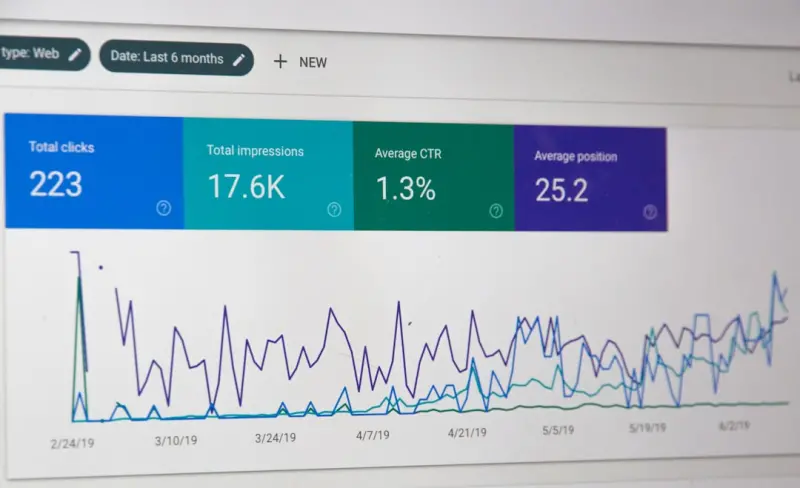
Traditional SEO metrics—organic clicks, impressions, and average position—still apply, but you’ll need to add a few visual‑specific dimensions:
- Image impressions in Google Search Console (under the “Pages” > “Search appearance” > “Image” tab).
- Click‑through rate (CTR) on image cards vs. text listings.
- Engagement after visual click—track whether users who land on a screenshot page convert at a higher rate than those arriving via text.
- Backlink profile of image URLs—high‑quality backlinks to image files can boost their authority in visual search.
Set up a dedicated dashboard that pulls these signals into a single view, so you can iterate on image naming, schema, and page experience with data‑backed confidence.
Pitfalls to Avoid
- Keyword stuffing in
alttext—Google penalizes overly promotional descriptions. Keep them natural and user‑focused. - Duplicating the same image across multiple pages—this dilutes the relevance signal. Use unique, context‑specific visuals whenever possible.
- Ignoring mobile‑first rendering—most visual searches happen on smartphones. Ensure your images scale gracefully and load quickly on small screens.
- Neglecting accessibility—Screen readers rely on descriptive
altattributes. Good accessibility = better SEO.
Future Trends: From Visual Search to Visual Discovery
The line between search and discovery is blurring. Google Lens, Apple’s Visual Look Up, and emerging enterprise visual assistants are teaching machines to interpret complex UI elements, not just simple objects. In the next wave, B2B SaaS brands may be discovered via “visual intent”—a user uploads a screenshot of a broken workflow, and the engine surfaces a product that solves it, complete with a video walkthrough.
Preparing now means investing in a robust visual asset pipeline, standardizing schema, and training your content teams to think in images first. When the visual AI models get smarter, the brands that already have a well‑indexed image library will dominate the “visual discovery” shelf.
Final Thoughts
Visual search isn’t a niche experiment; it’s a seismic shift in how prospects find solutions. By treating screenshots, diagrams, and short videos as first‑class SEO assets—complete with clean filenames, rich alt text, structured data, and lightning‑fast delivery—you can capture an audience that’s actively scanning for answers, not just typing them.
Start small: pick three high‑traffic product pages, audit the images, apply the tactics above, and watch the visual impressions climb. Then scale the process across your entire knowledge base and product catalog. In the visual era, the best SEO strategy is to make sure your brand is the one people see first.

Sanji Patel has dedicated 25 years to the SEO industry. As an expert SEO consultant for news publishers, he emphasizes providing both technical and editorial SEO services to news publishers worldwide. He frequently speaks at conferences and events globally and offers annual guest lectures at local universities.
Related Posts

Turning SEO Into a Scientific Experiment: A Data‑Driven Playbook for SaaS Growth
Discover a step‑by‑step guide to treating SEO as a scientific experiment, with practical tactics... Read More

Semantic Entity Clustering: A New Frontier for SEO Success
Explore the power of semantic entity clustering to reshape your SEO approach, align content with use... Read More
Sustainable SEO: Ranking Higher While Cutting Carbon Footprint
Sustainable SEO blends efficient site architecture, purpose‑driven content, and green hosting to b... Read More
Top Posts

Why Privacy‑First Marketing Is the New Growth Engine
Explore why putting privacy at the core of your strategy builds trust, boosts engagement, and creates a sustainable competitive edge in digital marketing....Read More

Beyond Checklists: Crafting a Living Travel Narrative
Learn to transform trips from static checklists into dynamic stories by choosing a narrative lens, syncing with your natural rhythm, and collaborating with loca...Read More

AI as a Personal Language Coach: Turning Everyday Moments into Fluent Conversations
Explore the future of language learning where AI acts as a personal coach, seamlessly integrating practice into everyday life while respecting your privacy....Read More

The Nomadic Workspace: Turning Airports and Cafés into Creative Hubs
Discover a step‑by‑step guide to turning every travel stop—from airport lounges to rooftop cafés—into a mobile office that fuels creativity, collaborat...Read More
0 Comments
Post Comment
You will need to Login or Register to comment on this post!