

Why Food Becomes the First Passport
When you step onto a bustling market stall or sit at a family‑run kitchen table, the flavors you encounter act as an immediate translation of culture, history, and climate, turning a simple bite into a dialogue that no guidebook can fully capture; the aroma of smoked paprika in a coastal town tells stories of centuries‑old trade routes, while the tang of fermented millet in a high‑altitude village whispers about adaptation and resilience. I have found that allowing my palate to lead the itinerary not only uncovers dishes I would never have ordered on a tourist‑centric menu, but also opens doors to conversations with locals who proudly share the origins of their recipes, often inviting you to help stir the pot or harvest the herbs that season their meals. This culinary curiosity can be amplified by checking out resources such as Creative Home Hacks to Elevate Everyday Living, which surprisingly offers tips on setting up portable, low‑impact cooking stations that respect both the environment and the authenticity of the food‑first experience.
The Soundtrack of Streets: Listening as a Travel Tool
While most travelers rely on visual landmarks, tuning into the ambient soundscape of a place reveals layers of social rhythm that are otherwise invisible; the call‑and‑response of street vendors, the melodic clatter of rain against tin roofs, and the distant hum of a ferry’s engine each compose a unique auditory map that guides you toward neighborhoods pulsing with genuine life. By deliberately slowing my walk and letting my ears dictate the next turn, I have stumbled upon hidden cafés where locals gather after work, discovered impromptu music sessions in alleyways, and even learned about upcoming festivals simply by hearing the rise in percussion rehearsals—a serendipity that no itinerary can predict. To sharpen this skill, I often reference the article Hidden Paths, which, while focused on visual routes, also highlights the importance of sensory awareness as a compass for deeper exploration.
Community‑Centric Stays: Living Like a Neighbor
Rather than booking a generic hotel room, I now prioritize accommodations that embed me within a community, whether it’s a family‑run guesthouse, a co‑living space, or a volunteer‑hosted homestay; these settings provide a daily rhythm of shared meals, neighborhood chores, and informal storytelling circles that transform a trip from a fleeting visit into a period of mutual learning and lasting relationships. The intimacy of staying with locals grants access to off‑the‑grid recommendations—like a sunrise hike known only to the elders of a mountain hamlet or a secret rooftop garden where residents grow heirloom tomatoes—while also encouraging travelers to contribute, whether by teaching a skill, offering a fresh perspective, or simply respecting the household’s customs. For those concerned about sustainability, the guide Smart Home Refresh offers practical ideas for minimizing energy use and waste when adapting to shared living environments abroad.
Mapping Flavor Trails: Curating Your Own Culinary Road Trip
Imagine plotting a journey not by distance alone, but by the intensity and diversity of regional dishes, creating a “flavor trail” that threads together distinct culinary traditions—spicy street tacos in one town, delicate sashimi in the next, and aromatic tagines farther south—each stop acting as a waypoint on a palate‑driven map that tells a larger gastronomic story. I start by researching staple ingredients unique to each area, then design daily itineraries that prioritize markets, family workshops, and farm‑to‑table experiences, allowing the day’s meals to dictate the rhythm of travel rather than the opposite; this method often leads me to detour off main highways, discover lesser‑known villages, and engage with producers who are eager to showcase the heritage behind every spice jar and grain sack. The result is a travel diary that reads like a cookbook, complete with personal notes on flavor pairings, cooking techniques, and the cultural narratives that flavor each bite, making every photograph on social media not just a visual but a sensory invitation for followers to taste the story.
Travel Light, Travel Right: Sustainable Gear for the Eco‑Nomad
Embracing a low‑impact travel philosophy begins with the equipment you choose, as each piece you pack carries an environmental footprint that multiplies with every flight, train, or boat you board; opting for reusable containers, biodegradable toiletries, and multi‑functional apparel reduces waste while also freeing up space for the souvenirs that truly matter—hand‑woven textiles, locally crafted tools, and recipes scribbled on a notebook. I have swapped traditional plastic water bottles for a stainless‑steel model that filters on the go, replaced disposable cutlery with a compact bamboo set, and invested in a solar‑powered charger that keeps my devices alive without draining local power grids, all of which align with the ethos of leaving only footprints and taking only memories. By integrating these habits, you not only lessen your ecological impact but also signal to host communities that you respect their resources, fostering a reciprocal relationship that often results in invitations to private events, shared meals, and insider tips that remain hidden from mass tourism.
Storytelling Through Lens: Capturing Culture Without Staging
Travel photography can easily slip into the realm of manufactured scenes, but when you focus on candid moments—children playing a traditional game, elders weaving stories into fabric, or a street performer improvising to a passing breeze—you preserve the authenticity of a place while honoring the dignity of its people; this approach requires patience, humility, and a willingness to blend into the background, allowing scenes to unfold naturally before your shutter clicks. I practice a “silent observation” technique: I keep my camera on a low‑key mode, avoid flash, and often shoot from the periphery, capturing gestures and expressions that speak louder than posed portraits; this not only yields images that resonate emotionally but also builds trust, as subjects recognize that you are there to document their reality rather than to exploit it. For those seeking inspiration, the article Augmented Reality explores how emerging tech can enhance storytelling, though the heart of meaningful travel imagery remains rooted in genuine human connection.
Building Bridges: Volunteering as a Two‑Way Exchange
When travel becomes a platform for service, the experience transcends sightseeing and evolves into a collaborative effort that benefits both visitor and host, whether you’re teaching language skills, assisting in conservation projects, or helping renovate a community center; these engagements immerse you in daily routines, challenges, and triumphs that standard tourism rarely reveals, fostering empathy and a deeper appreciation for the resilience of local populations. I have spent weeks alongside marine biologists monitoring coral health, participating in reforestation drives that taught me the science of seedling survival, and co‑cooking with a village kitchen to understand the nutritional strategies that sustain families in remote areas—all of which have left indelible marks on my worldview and have inspired ongoing partnerships long after I return home. The key to a rewarding volunteer stint lies in choosing reputable organizations, setting clear expectations, and approaching each task with a learner’s mindset, ensuring that the exchange remains respectful, sustainable, and mutually enriching.
From Traveler to Storyteller: Sharing the Journey Responsibly
After returning from a trip rich with flavors, sounds, and community ties, the next chapter is how you convey those experiences to a wider audience without reducing cultures to stereotypes or commodifying sacred traditions; crafting narratives that highlight context, give credit to local voices, and encourage responsible curiosity can transform a simple blog post into a catalyst for ethical tourism. I structure my stories by interweaving personal reflections with direct quotes from the people I meet, embedding practical tips—like using reusable cutlery or supporting micro‑enterprises—and linking readers to resources that deepen their understanding, such as the previously mentioned internal guides; this method not only enriches the reader’s knowledge but also drives traffic to the very communities that welcomed me, creating a virtuous cycle of awareness and support. Ultimately, by treating travel as a shared dialogue rather than a one‑way observation, we become ambassadors for the places we love, inspiring others to explore with respect, curiosity, and an open heart.

In the world of freelance writing, where creativity and adaptability are paramount, Michelle Fisher stands out as a dedicated and versatile professional. With a passion for crafting compelling narratives and a keen eye for detail, Michelle has established herself as a trusted voice.
Related Posts
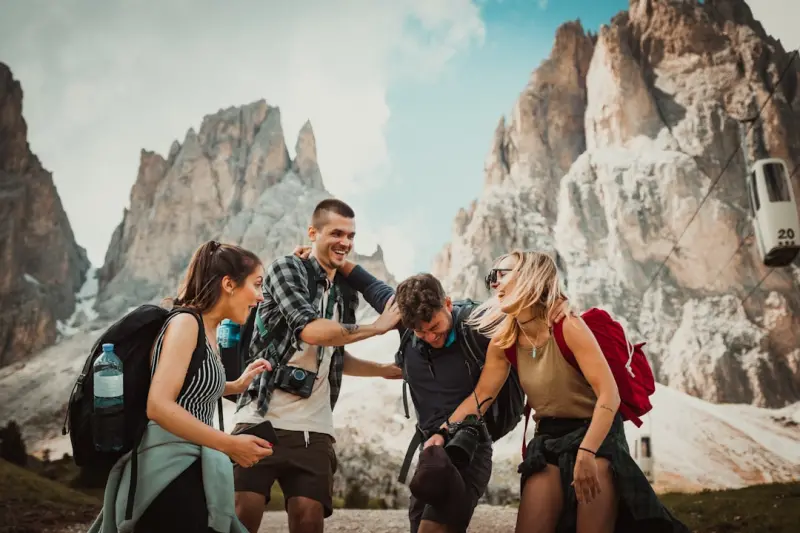
Beyond the Tourist Trail: Embracing Regenerative Travel for Real Impact
Regenerative travel goes beyond sustainability, focusing on actively improving destinations. Learn h... Read More

Chasing Hidden Rituals: A Journey Beyond the Tourist Trail
Explore the art of “ritual roadtripping” and learn practical steps to find and join hidden local... Read More
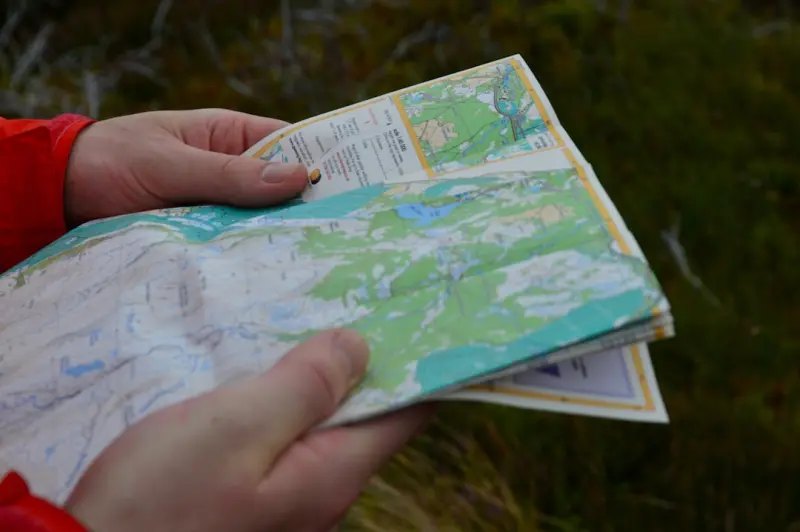
Wander Off the Map: How Small‑Town Adventures Rewrite the Travel Playbook
Explore the art of slow, sensory travel through hidden small‑town gems, train journeys, and authen... Read More
Top Posts

Micro‑Habits, Macro Impact: Rethinking Workplace Health One Tiny Action at a Time
A deep dive into the power of micro‑habits for modern professionals, showing how brief, data‑driven actions can improve wellbeing, productivity, and team cu...Read More

Listening to Your Body: A Playful Path to Lasting Health
A fresh take on health that swaps restrictive diets for curiosity, playful exercise, and deep listening to your body’s signals, empowering sustainable well‑...Read More

Google Gemini: The Co‑Pilot That’s Redefining SaaS Product Roadmaps
Learn how Google Gemini’s multimodal capabilities help SaaS product teams turn data, design, and code into actionable roadmaps, reducing time‑to‑idea and ...Read More

Mapping the Searcher Journey: Turning SEO into a Living Blueprint
Discover a dynamic, data‑driven approach to SEO that starts with the searcher’s journey, leveraging modular content, semantic grouping, and structured data ...Read More
0 Comments
Post Comment
You will need to Login or Register to comment on this post!