
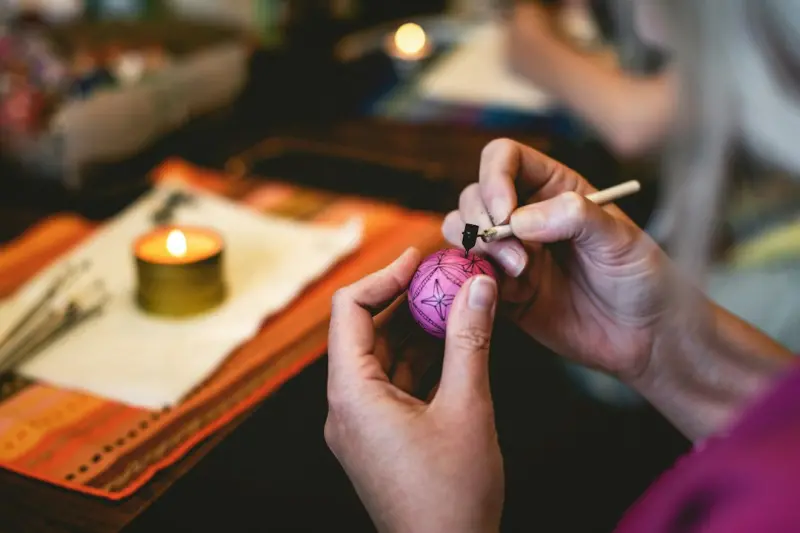
Micro‑Wellness at Work: Tiny Rituals for Massive Health Gains
When I first stepped into a glass‑walled conference room buzzing with three‑hour video calls, I felt my mind flicker like a candle in a draft. The hum of notifications, the relentless ping of instant messages, and the pressure to be “always on” left my thoughts scattered and my energy depleted. It wasn’t a crisis; it was a slow, almost imperceptible erosion of wellbeing that many of us accept as the cost of modern productivity.
In the past few years, I’ve watched a subtle shift in how companies talk about health. The conversation has moved beyond gym memberships and annual health checks to something more intimate—how the very rhythm of our workday can be tweaked, in moments that feel almost invisible, to restore balance. This is the world of micro‑wellness: intentional, bite‑sized practices that fit into a calendar without demanding a massive restructuring of policies or spaces.
Understanding the Hidden Toll of Constant Connectivity
Our brains are wired for focus bursts, not the marathon of multitasking that digital ecosystems demand. When we switch from a spreadsheet to an email, then to a chat, and back again, we incur a hidden cognitive cost known as “attention residue.” Studies show that even a brief interruption can shave up to 10 minutes off our effective work time, while also increasing stress hormones like cortisol.
But the impact isn’t limited to productivity metrics. Prolonged exposure to screen light, the expectation of immediate replies, and the lack of clear boundaries blur the line between work and personal life. The result is a rise in anxiety, insomnia, and even chronic inflammation—conditions that, paradoxically, are often labeled “lifestyle diseases.” The good news? The very mechanisms that cause these issues are also the levers we can pull to reverse them.
The Science of Micro‑Rest: Tiny Breaks, Big Gains
Research from the University of Illinois found that taking a 10‑minute break every hour can boost creative output by up to 30%. The secret lies in the brain’s default mode network, which activates during moments of rest and fuels insight and problem‑solving. A micro‑rest doesn’t have to be a full‑blown meditation session; it can be as simple as:
- Standing up and stretching for 30 seconds.
- Looking out a window and focusing on a distant object for 20 seconds to relax eye muscles.
- Doing a quick breathing exercise—inhale for four counts, hold for four, exhale for six.
These micro‑breaks reset neural pathways, reduce eye strain, and lower heart rate, creating a cascade of benefits that extend far beyond the moment of pause. When embedded into the flow of a day, they become a rhythm that the body learns to anticipate, much like a heartbeat.
Nature‑Infused Workspaces: Bringing the Outdoors Inside
We often think of “nature breaks” as a walk in a park during lunch. While that is valuable, there’s emerging evidence that even a glimpse of green can trigger a physiological response. Biophilic design—integrating natural elements like plants, water features, and natural light—has been linked to reduced blood pressure, improved mood, and higher cognitive performance.
Practical ways to embed nature into a typical office include:
- Placing low‑maintenance succulents on desks.
- Installing a small indoor waterfall or water wall that provides soothing ambient sound.
- Using nature‑themed artwork that mimics depth and foliage.
- Encouraging a “window‑watch” ritual where employees spend a minute observing the sky or trees each hour.
These elements act as visual anchors, reminding the brain that it’s safe to relax and reboot, even amidst a sea of deadlines.
Reclaiming Sleep in a 24/7 Culture
Sleep is perhaps the most undervalued pillar of health in a hyper‑connected world. The average professional now receives roughly six hours of sleep per night, far below the recommended seven to nine hours. The consequences are stark: impaired decision‑making, weakened immune response, and a higher risk of metabolic disorders.
Micro‑wellness offers a pragmatic path to better sleep without demanding a radical lifestyle overhaul. Consider the following nightly micro‑rituals:
- Screen curfew: Turn off all screens 30 minutes before bed. If you must use a device, enable a blue‑light filter.
- Wind‑down breathing: A simple 4‑7‑8 technique (inhale 4, hold 7, exhale 8) can lower heart rate and signal the brain it’s time to rest.
- Gratitude jot: Write three things you’re grateful for; this practice reduces rumination and eases the transition to sleep.
When employees adopt these tiny habits, the cumulative effect is a more rested workforce capable of sharper focus during the day.
Data‑Driven Personal Health: When AI becomes your decision partner
Technology isn’t the enemy of wellbeing—it can be a powerful ally. Modern health platforms now harness machine learning to provide personalized recommendations based on activity patterns, heart‑rate variability, and even stress signals captured via smartphones. By feeding anonymized data into these models, employees receive micro‑insights such as “your cortisol levels spiked after back‑to‑back meetings; consider a five‑minute walk.”
What makes this approach truly transformative is the shift from generic wellness programs to individualized nudges. Instead of a one‑size‑fits‑all gym rebate, the system suggests the exact micro‑break that will most effectively lower your stress at a given moment. This is the essence of an AI decision partner—it watches, learns, and gently guides you toward healthier choices without demanding conscious effort.
Predictive Health Signals: Leveraging predictive insights for Prevention
Just as marketers use predictive attribution to anticipate campaign performance, health leaders can apply similar analytics to foresee wellness trends within their teams. By analyzing patterns such as missed breaks, prolonged screen time, and even calendar density, predictive models flag individuals at risk of burnout before symptoms become overt.
Implementing this doesn’t require a massive data overhaul. Simple tools—like aggregated calendar metadata (e.g., number of back‑to‑back meetings) and basic wellness survey scores—can feed a model that surfaces early warnings. Managers can then intervene with tailored micro‑wellness interventions, such as scheduling a “recovery hour” or offering a brief guided meditation.
Building a Culture of Mental Resilience
Micro‑wellness thrives in environments where psychological safety is paramount. Employees must feel free to step away, even for a minute, without fear of judgment. Leaders can cultivate this by:
- Modeling micro‑breaks themselves—when a manager steps away for a short stretch, the behavior normalizes.
- Embedding “pause” moments into meetings (e.g., a 30‑second breathing break at the start of each agenda item).
- Celebrating small wellness wins publicly, like “Micro‑Break Champion of the Week.”
When the culture rewards restoration rather than relentless output, the organization gains a resilient, high‑performing workforce.
Practical Toolkit for Leaders
To translate these ideas into action, consider the following starter kit:
- Audit the Day: Map a typical workday to identify natural gaps (e.g., after a 90‑minute meeting) where micro‑breaks can be inserted.
- Design Micro‑Spaces: Allocate a corner with a plant, a comfortable seat, and a low‑light lamp for quick resets.
- Integrate Tech Wisely: Deploy a gentle reminder app that nudges employees to stand, breathe, or glance outside at predefined intervals.
- Data Loop: Collect anonymized usage data from the reminder app and health platform, then feed it into a simple predictive model to surface trends.
- Iterate and Celebrate: Review the data monthly, adjust break frequencies, and spotlight teams that show measurable improvements in stress scores.
The beauty of micro‑wellness is that each element can be piloted on a small scale, measured, and scaled up based on real outcomes. It’s a low‑risk, high‑reward approach that aligns with both employee happiness and business performance.
Looking Ahead: The Ripple Effect of Tiny Rituals
When we begin to treat wellness as a series of micro‑moments rather than a monolithic program, we unlock a cascade of positive effects. Employees who feel physically and mentally refreshed are more creative, more collaborative, and less likely to burn out. The organization saves on healthcare costs, absenteeism, and turnover—benefits that echo far beyond the walls of the office.
In my own experience, the simple act of pausing to stare at a green leaf for 20 seconds has become a personal anchor. It reminds me that my brain, like any other muscle, needs rest to perform at its best. If you’re a leader, a manager, or simply someone who spends their days in front of a screen, I invite you to experiment with micro‑wellness. Start with one tiny ritual, observe the shift, and then expand. The path to a healthier workplace doesn’t have to be a marathon; it can be a series of gentle, purposeful steps.

Margaret Thomson is a seasoned freelance writer specializing in the dynamic worlds of marketing and advertising. With a career deeply rooted in the marketing field, Margaret brings a wealth of practical experience and insightful knowledge to her writing.
Related Posts
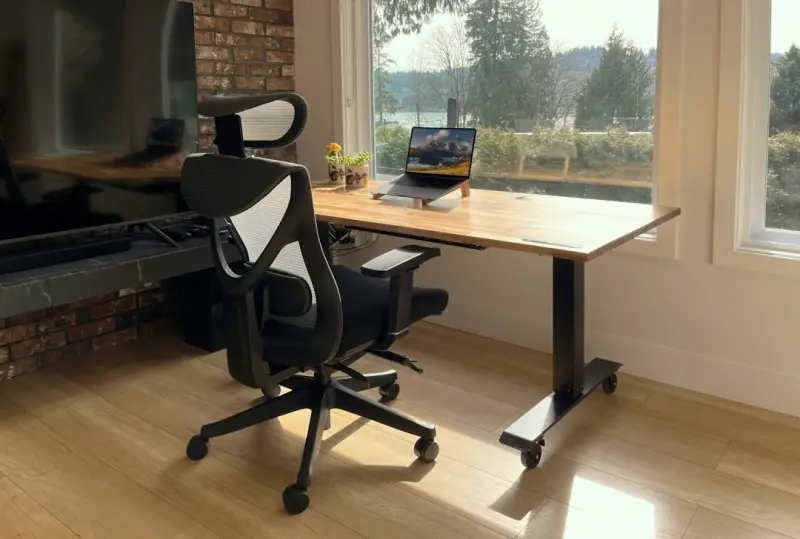
Why Your Desk Chair Is Sabotaging Your Health (And How to Fix It)
A data‑driven guide shows how aligning your chair, adding micro‑breaks, integrating breathwork, ... Read More

Breathing Easier at Home: How to Upgrade Your Remote Workspace Air Quality
Learn how to transform your home office into a healthier workspace with easy ventilation tricks, sma... Read More

The Silent Power of Structured Breathing for Remote‑Work Health
Structured breathing is a low‑tech, high‑impact habit that remote professionals can adopt to low... Read More
Top Posts

From Insight to Influence: Rethinking B2B Marketing Narratives
Discover the power of narrative architecture—a deliberate, story‑first approach that aligns brand pillars with audience journeys, boosting engagement and co...Read More

Why Digital Twins Are the Next Frontier for SaaS Product Innovation
Digital twins are emerging as a powerful tool for SaaS companies, enabling real‑time simulation of user behavior, predictive insights, and faster iteration cy...Read More

Surfing Google’s AI Wave: Practical Tips for Modern Marketers
Explore how to audit your tech stack, build an AI‑first content engine, and future‑proof your strategy with Google’s latest AI innovations....Read More
Ephemeral Influence: How Short‑Lived Content Is Reshaping Brand Trust
Explore the power of short‑lived content, from strategic timing to user‑generated stories, and learn how brands can turn fleeting moments into lasting loyal...Read More
0 Comments
Post Comment
You will need to Login or Register to comment on this post!