
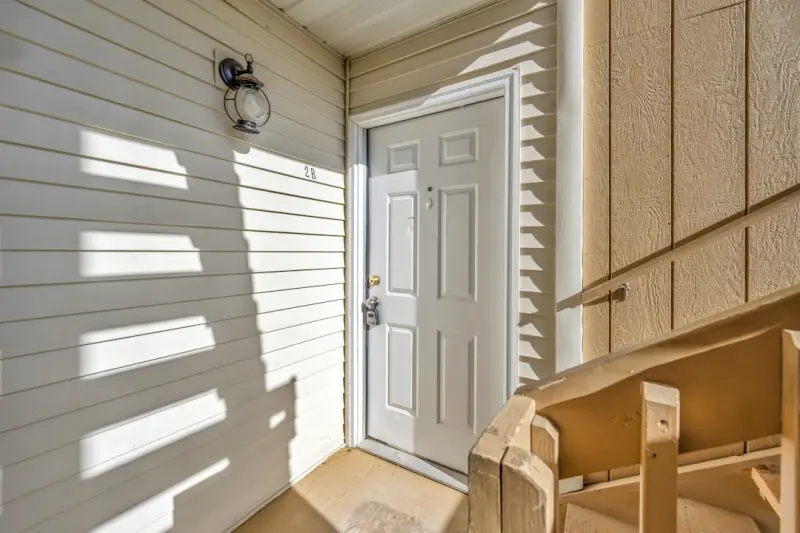
Why the Entryway Deserves More Than a Shoe Rack
Most of us treat the entryway like an afterthought – a place to drop keys, toss a coat, and sprint out the door. Yet, that first square foot of our home sets the tone for the entire day. A cluttered, noisy foyer can hijack our focus before we’ve even brewed coffee. Conversely, a thoughtfully designed entryway can act as a daily reset button, signaling the shift from the outside world to the sanctuary of home.
My Personal “Launch Pad” Journey
When I first moved into my current place, the entryway was a dim hallway strewn with mail, shoes, and a perpetually blinking porch light. I realized I was walking through a mental minefield each morning. I decided to treat the space as an intentional “launch pad” – a zone that clears mental clutter, organizes physical items, and gently eases me into the rhythm of the day.
Below is the step‑by‑step system that turned my chaotic foyer into a calm, functional hub. It’s a blend of psychology, ergonomics, and a dash of low‑tech ingenuity. No fancy smart home devices required, just a handful of inexpensive tools and a willingness to experiment.
Step 1: Define the Core Functions
Before buying any organizers, ask yourself: What three tasks must my entryway accomplish? For me, the answer was:
- Quickly store and retrieve shoes.
- Provide a dedicated spot for keys, wallet, and phone.
- Offer a visual cue for the day’s mindset (e.g., a calming image or a to‑do reminder).
By limiting the scope to three core actions, you avoid the temptation to fill the space with every conceivable gadget.
Step 2: Clear the Clutter – The “One‑Touch” Rule
Take everything out of the entryway and sort it into three piles: Keep, Relocate, Discard. Anything that doesn’t serve the three core functions goes back to its proper home. Adopt a “one‑touch” rule: items that pass through the entryway should either be placed in a designated spot or moved onward immediately. This reduces the chance of “just one more thing” piling up on the console.
To reinforce the habit, I installed a small, labeled basket for “mail & paperwork” and a wall‑mounted hook for “daily essentials.” The visual cue makes the process almost automatic.
Step 3: Choose the Right Storage Solutions
Here are my go‑to pieces, each chosen for its simplicity and durability:
- Shoe Bench with Built‑In Seating: A bench provides a place to sit while slipping on shoes and hides a compartment for extra pairs. Look for one with a slatted front so you can see the shoes at a glance.
- Wall‑Mounted Key Hooks: Instead of a bowl that invites a key avalanche, a set of sleek hooks keeps each item separate. Pair the hooks with a small magnetic tray for coins.
- Floating Shelf with a Tray: Use a shallow shelf for a decorative tray that holds your phone charger, a glass of water, and a small notebook for daily tasks.
These pieces are inexpensive, can be installed with just a drill, and are easy to re‑arrange if your needs change.
Step 4: Light It Up – The Power of Ambient & Task Lighting
Lighting plays a silent but profound role in mood. A harsh fluorescent bulb can feel jarring, while warm, diffused lighting invites calm. I swapped my entryway’s bare bulb for a soft amber LED pendant that casts a gentle glow. Pair it with a small, low‑profile LED strip under the bench to illuminate the floor without glare.
If natural light is limited, consider a daylight‑simulating bulb (around 3000‑3500 K) to mimic sunrise, which can help regulate your circadian rhythm as you head out the door.
Step 5: Sound Management – Quiet Starts Here
Even in an entryway, unwanted noise can be disruptive. A creaking door, clattering keys, or echoing footsteps can raise stress levels. I took inspiration from building home soundscapes and introduced a few subtle acoustic fixes:
- Rubber Door Sweep: This eliminates the squeak of the front door and blocks drafts.
- Soft‑Footed Rugs: A low‑pile rug reduces footfall noise and adds a tactile welcome.
- Wall Hangings: Fabric wall art or a woven tapestry absorbs ambient sound, turning the hallway into a quieter transition zone.
Step 6: Add a “Mindful Cue”
One of the most overlooked entryway elements is a visual or tactile reminder that helps you switch mental gears. I chose a small chalkboard plaque where I write the day’s top priority in bold letters. Other options include a framed inspirational quote, a miniature Zen garden, or a digital photo frame that cycles through calming images.
This cue works in tandem with your routine: as you set down your keys, you glance at the board, internalizing the day’s focus before you even step into the kitchen.
Step 7: Integrate Low‑Tech “Automation”
Automation doesn’t have to mean voice‑controlled gadgets. Simple mechanical tricks can streamline daily flow:
- Self‑Closing Door Hinge: Prevents the door from slamming and saves energy.
- Magnetic Key Catcher: A magnet strip under the bench catches metal keys instantly, reducing the search time.
- Dual‑Purpose Umbrella Stand: Holds wet umbrellas and doubles as a shoe storage slot for rain boots.
These solutions provide the reliability of automation without the cost or complexity of smart devices.
Step 8: Keep It Fresh – The Weekly “Entryway Reset”
Just as you might declutter your inbox, schedule a 10‑minute weekly reset. During this time, quickly:
- Wipe down surfaces and the floor.
- Re‑evaluate the items on the shelf – remove any that have become unnecessary.
- Refresh the mindful cue – change the quote or update the to‑do list.
- Check lighting and replace any burnt‑out bulbs.
This habit ensures the entryway remains functional and visually appealing, preventing the slow creep of disorder.
Step 9: Connect With the Rest of Your Home
The entryway is the first link in the chain of your home’s flow. Ensure it seamlessly connects to the next space – often the kitchen or living room. For example, if your kitchen is your morning hub, place a small tray with a reusable coffee pod or tea bag near the entryway so you can grab it on the way in.
Take a cue from the stress‑free efficiency hub approach: the entryway should hand off items to the kitchen without friction, creating a cascade of efficiency throughout the house.
Step 10: Personalize With Meaningful Details
Finally, sprinkle in personal touches that make the space feel yours. A small plant (like a snake plant) adds a breath of fresh air and purifies the indoor environment. A decorative bowl for loose change can double as a visual anchor. Even a pair of fun slippers for quick indoor footwear can add a smile to your routine.
The key is to keep personalization purposeful – each item should either serve a function or reinforce the calm atmosphere you’re cultivating.
Measuring Success – The “Stress‑Level” Scorecard
After implementing these changes, I tracked my morning stress level on a simple 1‑10 scale. Within two weeks, the average dropped from a 7 to a 3. I also noticed a 20% reduction in the time spent searching for keys or shoes. These tangible metrics confirm that a well‑designed entryway can have a measurable impact on overall well‑being.
Common Pitfalls and How to Avoid Them
Over‑Decorating: While a few decorative elements are beneficial, too many can create visual clutter. Stick to a maximum of three decorative items.
Ignoring Foot Traffic Flow: Ensure the layout allows a clear path from the door to the rest of the house. Avoid placing bulky furniture that forces a zig‑zag route.
Neglecting Maintenance: A beautiful entryway can quickly become a mess if you don’t commit to the weekly reset. Set a calendar reminder on your phone to keep the habit consistent.
Putting It All Together – A Sample Layout
Here’s a visual description of the final setup:
- Left Wall: Two sleek metal hooks for keys and a magnetic tray for coins.
- Center: A shallow shoe bench with hidden storage, topped by a soft rug.
- Right Wall: Floating shelf holding a chalkboard plaque, a small plant, and a decorative bowl.
- Ceiling: Warm LED pendant lighting with a subtle dimmer switch.
- Floor: Low‑pile rug that also dampens sound.
This arrangement maximizes functionality while maintaining an airy, welcoming vibe.
Conclusion – Your Front Door as a Launch Pad
Transforming your entryway into a stress‑free launch pad is more than a design project; it’s an investment in daily mental clarity. By defining core functions, decluttering, choosing purposeful storage, managing light and sound, and adding mindful cues, you create a space that welcomes you home and equips you for the day ahead. Give it a try – the calm you’ll feel stepping through that door might just become the most rewarding part of your routine.

Robert Mathews is a professional content marketer and freelancer for many SEO agencies. In his spare time he likes to play video games, get outdoors and enjoy time with his family and friends .
Related Posts
The Art of Sensory Home Curation: Scent, Light, and Texture for Everyday Calm
Explore practical, low‑cost ways to boost your home’s ambiance through scent, lighting, and text... Read More

Micro‑Zoning Your Home: Turning Every Corner into a Purposeful Space
Discover the art of micro‑zoning—using visual cues, functional anchors, and smart layout tricks ... Read More
Quiet Corners: Taming Noise in Open‑Plan Homes Without Breaking the Bank
Learn how to map acoustic zones, add soft surfaces, DIY sound‑absorbing panels, and use plants and... Read More
Top Posts

Soundtrack Your Journey: How Curated Music and Ambient Audio Transform Travel
Explore the power of travel soundtracks, learn to capture local audio, and create lasting memories with curated playlists and journals....Read More

Why Google’s AI Wave Calls for a Human‑First Marketing Mindset
Learn why embracing Google’s AI wave doesn’t mean losing your brand’s voice. Rose shares a human‑first roadmap for marketers to stay authentic while lev...Read More

Humanizing Automated Outreach: Voice, Chat, and Warmth at Scale
Discover practical ways to blend voice‑first messaging and conversational AI into your automated outreach, creating warm, human‑centric experiences that boo...Read More

Riding Google’s AI Wave: A Human‑First Marketer’s Playbook
Learn to surf Google’s AI wave by prioritizing empathy, storytelling, and flexible content—turning algorithmic changes into growth opportunities for your br...Read More
0 Comments
Post Comment
You will need to Login or Register to comment on this post!