
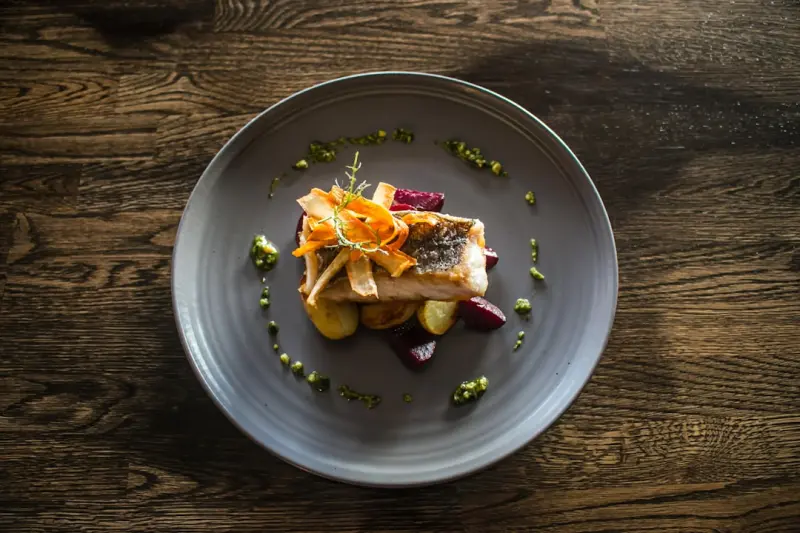
Why Food Maps Matter More Than Ever
When I first set foot in a bustling market in Marrakech, the scent of cumin and fresh citrus didn’t just tickle my nose—it drew a vivid line on an invisible map inside my mind. That moment sparked a realization: every bite, every sip, is a waypoint that can transform a routine trip into an unforgettable story. In an age where we chase experiences like we chase Wi‑Fi signals, culinary cartography offers a fresh compass. It’s not about ticking off famous dishes; it’s about plotting personal taste territories that evolve with each journey.
From Plate to Palette: Crafting Your Own Flavor Atlas
Creating a flavor atlas starts with a simple habit: recording what you eat, but not in a sterile spreadsheet. I keep a small, weathered notebook—my Field Notebook Travel companion—where I sketch the swirl of a ramen broth, note the crunch of a street‑taco shell, and jot down the ambient sounds that accompanied the meal. Over time, these sketches become a visual language, a personal map that guides future trips and helps me avoid culinary dead‑ends.
The Science of Memory and Taste
Neuroscience tells us that the brain encodes flavors alongside scents, sounds, and emotions. This multimodal encoding is why a particular dish can instantly transport you back to a sun‑drenched terrace in Sicily. By deliberately pairing a dish with a sensory cue—a song on a local radio station, the feel of a specific breeze—you reinforce the memory, making your culinary map richer and more navigable. It’s a technique I’ve borrowed from the world of Synthetic Personas, where designers craft detailed narratives to predict behavior. In travel, you become both the researcher and the explorer.
Mapping the Unmapped: Off‑the‑Beaten‑Path Eats
Most travel guides highlight iconic meals—Parisian croissants, Tokyo sushi, New York pizza. While those are worth savoring, the real thrill lies in the unmapped stalls and family kitchens. I once followed a local who whispered an address to a tiny noodle shop hidden behind a laundromat in Hanoi. The noodles were simple, the broth clear, but the experience was priceless because it was uncharted territory on my map. These hidden gems often lack online reviews, making them perfect for those who want to write the next chapter of their culinary story.
Technology as a Side Dish, Not the Main Course
We live in an era where apps can point you to the nearest ramen bar in seconds. Yet, relying solely on algorithmic recommendations can flatten the adventure. Think of tech as a side dish—a tool that supplements, not dominates, your taste exploration. For instance, Zero‑Click Search shows how information can appear instantly, but in the realm of food, the most rewarding moments often happen when you slow down and let serendipity serve you.
Seasonal Strategies: Riding the Culinary Calendar
Every region has a seasonal rhythm that dictates what’s fresh, what’s festive, and what’s fleeting. By aligning your travel dates with local harvests, you unlock dishes that exist only for a few weeks each year. In Spain, the first week of September brings the coveted jamón ibérico de bellota, still curing in the hills. In Japan, late autumn is the prime time for matsutake mushrooms. Mark these seasonal windows on your flavor atlas; they become anchor points that ensure you return year after year with a fresh perspective.
Building Community Around Your Food Map
One of the most rewarding aspects of culinary cartography is sharing it. I’ve started a modest newsletter where readers send in their own taste sketches. The collective map becomes a living tapestry, weaving together stories from Buenos Aires to Reykjavik. Community input adds layers you might never discover on your own—like the hidden spice market in Zanzibar that a fellow traveler highlighted. This collaborative spirit mirrors the open‑source ethos many tech teams cherish: each contribution strengthens the whole.
Balancing Authenticity and Accessibility
There’s a fine line between seeking authenticity and romanticizing poverty. It’s easy to fall into the trap of “authentic” as a buzzword, opting for the most rugged experience without respecting local contexts. My approach is to listen first. Ask vendors about the origins of their ingredients, understand the cultural significance of a dish, and, when possible, support establishments that source responsibly. This mindful approach enriches your map and sustains the culinary ecosystems you cherish.
Practical Tips for Maintaining Your Flavor Atlas
- Carry a pocket notebook or a note‑taking app with a dedicated “Food” folder.
- Sketch, don’t just type. Visual cues trigger memory more effectively than text alone.
- Note the context: weather, company, mood, and any ambient sounds.
- Rate dishes on a simple 1‑5 scale, but also write a short sentence about why.
- Periodically review your entries; patterns will emerge, revealing your personal palate evolution.
From Map to Meal: Designing Your Own Culinary Itinerary
When planning a new trip, pull up your flavor atlas and identify gaps. Maybe you’ve never tried a traditional Ethiopian injera or a Korean kimchi‑jjigae. Use those gaps as prompts for your itinerary. Instead of booking a generic city tour, seek out cooking classes, market tours, or farm‑to‑table experiences that directly address those missing flavors. This purposeful planning turns a generic trip into a purposeful palate pilgrimage.
Travel Stories: How Food Reshaped My Perspective
On a recent journey through the highlands of Peru, I was invited to a family’s home for a humble lunch of quinoa stew. The host explained how the quinoa was cultivated on terraces that have been in his family for generations. Sharing that stew, I felt a profound connection not just to the food, but to the land and lineage behind it. That moment rewrote a whole section of my map, reminding me that food is a conduit for history, identity, and belonging.
Future Horizons: The Next Evolution of Culinary Cartography
As augmented reality (AR) and AI continue to mature, imagine walking down a street and seeing subtle overlays that highlight the origins of each dish you pass—like a pop‑up biography of the chef or the farm that supplied the produce. While we’re not quite there yet, the seeds are being planted. The key is to keep the human element at the core: curiosity, respect, and the willingness to write—and rewrite—your flavor map.
Final Thoughts: Eat, Explore, Evolve
Travel is more than moving from point A to B; it’s an evolving dialogue between your senses and the world. By treating each meal as a coordinate on a personal map, you transform ordinary trips into a series of purposeful, memory‑rich pilgrimages. So the next time you book a flight, pack a notebook, an open mind, and an appetite for discovery. Your flavor atlas awaits, and every new bite adds a vibrant brushstroke to the masterpiece of your journeys.

Margaret Thomson is a seasoned freelance writer specializing in the dynamic worlds of marketing and advertising. With a career deeply rooted in the marketing field, Margaret brings a wealth of practical experience and insightful knowledge to her writing.
Related Posts

Railway Reveries: Transforming Journeys into Storytelling Adventures
Discover how train travel turns landscapes into stories, connects cultures, and offers a sustainable... Read More

Sensory Journaling: Turning Everyday Wanderings into a Living Archive
Explore the art of sensory journaling to turn each journey into a rich, multi‑dimensional archive.... Read More

The Wanderer's Canvas: Crafting Stories From Unscripted Journeys
Sanji Patel shares a fresh take on travel, treating each journey as a blank canvas where spontaneous... Read More
Top Posts
Decentralized Communities: The Next Frontier for B2B Digital Marketing
Decentralized platforms are turning B2B SaaS marketing from a broadcast model into a co‑creation ecosystem, leveraging token‑gated content, earned data, and...Read More

Edge Computing and Digital Twins: The Next Wave of Real‑World Innovation
Edge computing brings processing closer to the source, while digital twins mirror physical assets in a virtual space—together they unlock faster, data‑drive...Read More

Staying Human on Google’s AI Wave: My Insider Playbook
Learn to blend data‑driven SEO with authentic storytelling, ensuring your brand thrives amid Google’s AI‑driven search evolution....Read More
Interactive Content: The Secret Sauce for B2B Lead Generation
Interactive assets like ROI calculators and quizzes turn passive readers into engaged prospects, delivering higher conversion rates and richer intent data for B...Read More
0 Comments
Post Comment
You will need to Login or Register to comment on this post!