
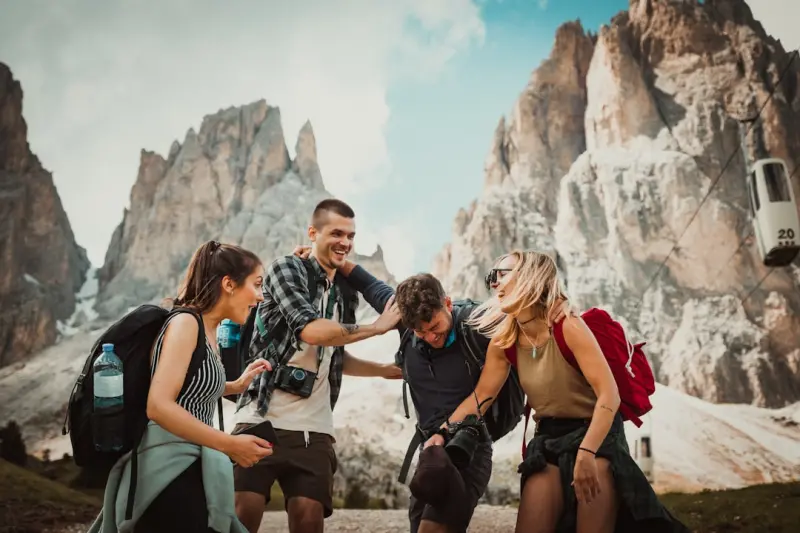
Why Every Trip Deserves a Blank Canvas
When I first set foot on a bustling market in Marrakech, I wasn’t thinking about itineraries or checklists. I was listening to the rhythm of a street vendor’s chant, watching the swirl of spices, and feeling the heat of the sun on my skin. That instant, unplanned immersion taught me a vital lesson: travel isn’t a series of destinations; it’s a canvas waiting for spontaneous brushstrokes.
From Tourist Checklist to Creative Playground
Most travel guides push us toward “must‑see” landmarks, ticking boxes, and capturing the perfect Instagram shot. While that approach works for a first‑time visitor, it often strips away the messy, beautiful details that make a place memorable. I’ve learned to swap the checklist for a creative playground mindset:
- Observe first, plan later. Let the sights, sounds, and smells dictate the next step.
- Collect sensory fragments. A street‑musician’s riff, the aroma of fresh‑baked bread, a child’s laugh—these become the pigments of your story.
- Document with intention. Not just photos, but sketches, voice notes, and tiny journal entries that capture the feeling, not just the image.
When you treat each moment as a brushstroke, the journey transforms from a rigid itinerary into an evolving work of art.
The Power of Sensory Journaling
Back in my office, I still keep a small, leather‑bound notebook in my carry‑on. I call it my sensory journal. Whenever I’m in a new locale, I pause to record three things:
- What I see: Not the landmark, but the play of light on a cracked wall, the graffiti that tells a neighborhood’s story.
- What I hear: The hum of a train, a vendor’s chant, the distant call to prayer.
- What I feel: The texture of a stone bench, the humidity in the air, the emotional tone of a bustling crowd.
This habit forces me to engage with the environment on a deeper level, and later, those fragments become the raw material for richer narratives.
Turning Mundane Moments Into Narrative Gold
Consider a simple train ride that lasts two hours. To most, it’s a transition between two points. To a writer, it’s an opportunity to observe the micro‑ecosystem inside a carriage: the elderly man reading a weathered newspaper, the teenager glued to a phone, the rhythmic clack of wheels over tracks. Those observations can be woven into a story about motion, connection, and the shared humanity of strangers.
Interactive Storytelling on the Go
In today’s hyper‑connected world, we have tools that can amplify these spontaneous moments. One technique I’ve embraced is interactive storytelling. Instead of a static photo album, I create short, clickable videos that let the viewer choose which sensory thread to follow—sound, sight, or texture. This not only deepens engagement but mirrors the way we experience travel: multi‑sensory and non‑linear.
Learning From the Unexpected
Travel often throws curveballs: missed flights, sudden rainstorms, language barriers. Rather than seeing these as setbacks, I treat them as “creative constraints.” When a monsoon drenches a city, the streets turn reflective, the colors become richer, and locals retreat to cozy cafés. Those unexpected shelters become the setting for intimate conversations with locals—conversations that rarely happen in sunny, tourist‑packed days.
Travel as a Personal Data Collection Exercise
From a tech‑savvy perspective, each journey is a live data‑gathering mission. I capture snippets—photos, voice memos, even GPS coordinates of a quiet alley that sparked an idea. Later, I feed these into a personal knowledge base, tagging them by mood, theme, or sensory category. Over time, a network of experiences emerges, providing a well‑spring of inspiration for future projects, whether it’s a blog post, a product concept, or a creative workshop.
Building Community Through Shared Stories
One of the most rewarding outcomes of this canvas‑approach is the community that forms around shared narratives. When I publish a story that emphasizes the texture of a local market stall or the cadence of a regional dialect, readers often respond with their own memories of similar experiences. This dialogue creates a relationship loop—not in the sales sense, but in the human sense—where travelers become co‑creators of a collective travel tapestry.
Practical Tips for Turning Trips Into Creative Canvases
Below are actionable steps you can integrate into any journey, whether it’s a weekend getaway or a month‑long expedition:
- Pack light, pack purpose. Bring a small notebook, a pen, and a portable recorder. These tools are less intrusive than a heavy camera and keep you present.
- Set a “sensory intention” each day. Choose one sense to focus on—listen intently to the city’s soundtrack, or spend the day tasting local dishes.
- Embrace the “slow pause.” Find a bench, a café, or a rooftop, and sit for five minutes. Let the environment soak in before moving on.
- Use technology as an enhancer, not a crutch. Capture a short audio clip of a street performer, then later embed it in an interactive post.
- Reflect before you leave. Write a brief “departure note” summarizing the most vivid sensory memory of the day.
Case Study: A Week in the Alpine Valleys
On a recent trip to the lesser‑known valleys of the Alps, I applied this canvas methodology. Day one, I focused on the scent of pine and the crunch of snow underfoot. I recorded the echo of a shepherd’s call across the valley and later layered that audio over a series of black‑and‑white photos in an interactive video piece. The result was a sensory journey that let viewers choose whether to hear the shepherd, feel the wind, or see the landscape—mirroring the way I experienced the place.
The Ripple Effect: From Personal Narrative to Broader Insight
When we treat travel as a canvas, the stories we craft often reveal larger cultural or societal patterns. A simple observation of how locals share communal tables can spark ideas about collaborative workspaces, or the way a market’s barter system operates can inspire alternative pricing models for SaaS products. The key is to stay open to the connections that arise when you observe with curiosity.
Conclusion: Keep the Canvas Blank Until You Arrive
Travel isn’t about filling a bucket; it’s about pouring color onto a fresh sheet of paper. By prioritizing sensory immersion, interactive storytelling, and reflective documentation, you turn ordinary trips into extraordinary narratives that linger long after the plane lands. The next time you book a flight, remember: the real destination is the canvas you’ll create along the way.

Sanji Patel has dedicated 25 years to the SEO industry. As an expert SEO consultant for news publishers, he emphasizes providing both technical and editorial SEO services to news publishers worldwide. He frequently speaks at conferences and events globally and offers annual guest lectures at local universities.
Related Posts
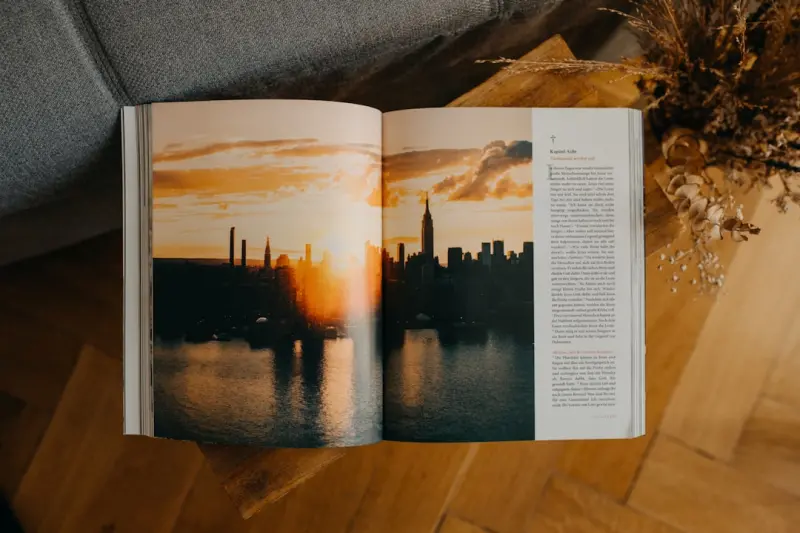
Beyond Sightseeing: Crafting a Travel Narrative That Sticks
Discover a fresh approach to travel storytelling that focuses on sensory immersion, local collaborat... Read More

Travel as a Creative Catalyst for Professionals
Travel can be a powerful strategic tool for professionals. By approaching trips as intentional learn... Read More
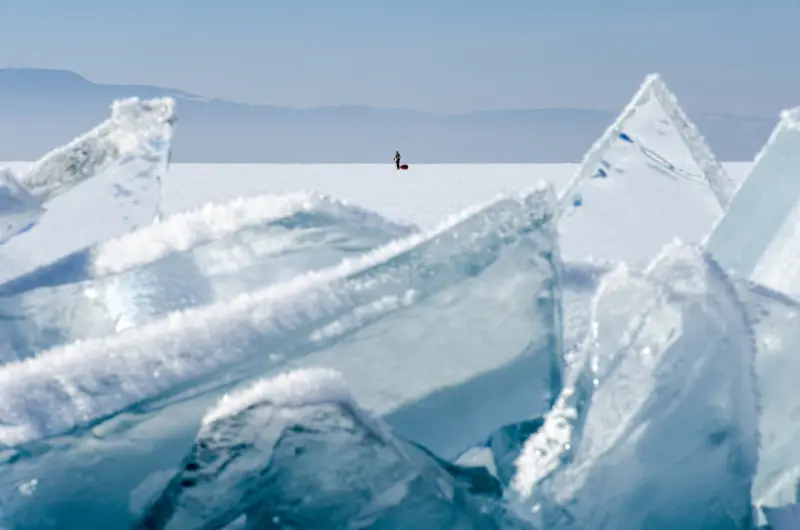
Micro‑Adventures: Small Escapes, Big Impact
Explore the rise of micro‑adventures, practical planning tips, and why tiny trips are reshaping mo... Read More
Top Posts

Ambient Computing: The Invisible Helpers Shaping Our Daily Lives
Discover the rise of ambient computing—how invisible sensors and edge AI turn ordinary environments into proactive, privacy‑focused assistants that enhance ...Read More
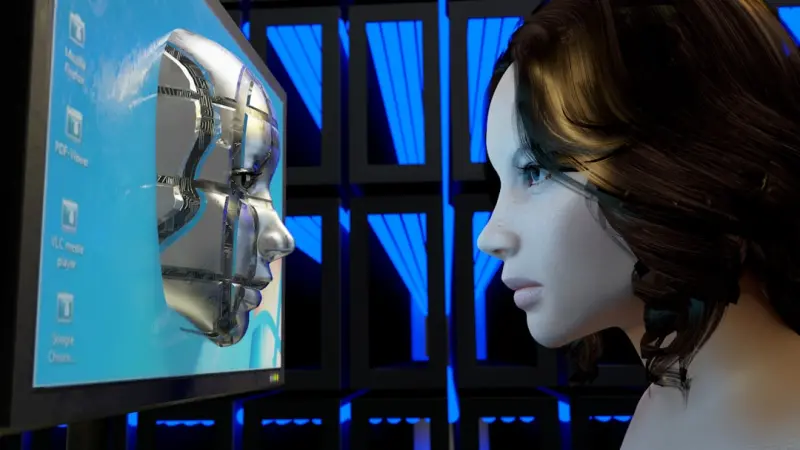
AI‑Enhanced Emotional Intelligence: Machines Helping Us Read Feelings
AI isn’t just for data crunching; it can help us sense emotions better. Learn how sentiment‑aware technology translates tone, facial cues, and language into...Read More
Semantic SEO for SaaS: Building Topic Authority Beyond Keywords
Learn to move beyond keyword checklists and build a semantic SEO framework that maps topic clusters, leverages structured data, and aligns with product roadmaps...Read More

Co‑Creation Labs: Turning Customers into Your Most Powerful Marketing Engine
Co‑creation labs let customers collaborate directly on product design, generating authentic marketing assets, faster feature adoption, and powerful advocacyâ€...Read More
0 Comments
Post Comment
You will need to Login or Register to comment on this post!