
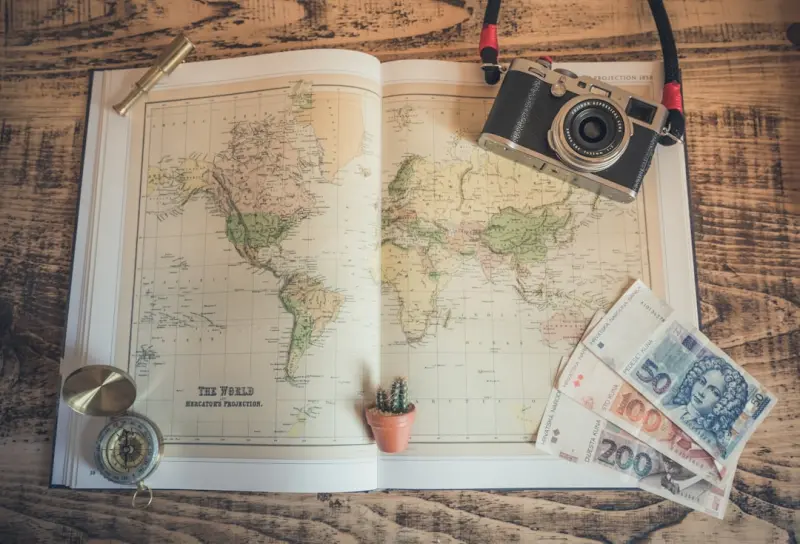
Why a Field Notebook Makes Every Trip Feel Like a Lab
When I first set foot on a bustling market in Marrakech, I was hunting for the perfect spice blend for my kitchen. I left with a handful of cumin, a story about a vendor’s family recipe, and a scribbled note on the back of a napkin that read, “The air smells like citrus and diesel—note the contrast.” That napkin was my first field notebook, and it transformed a simple shopping trip into a mini‑research expedition. Since then, I’ve learned that the most memorable travels aren’t the ones where you check off landmarks; they’re the ones where you observe, record, and ask. In this post I’ll walk you through a repeatable framework that turns any journey—whether a weekend road‑trip or a month‑long backpacking adventure—into a living laboratory of culture, senses, and personal growth.
The Core Philosophy: Curiosity Over Checklist
Traditional travel guides love lists: “Top 10 things to see,” “Must‑try dishes,” “Best photo ops.” Those lists work, but they also funnel you into a pre‑determined experience. The field notebook approach flips the script. Instead of asking, “What should I do?” you ask, “What can I learn?” It’s a shift from tourist mode to researcher mode, and it doesn’t require a PhD—just a pen, a notebook (or a digital note‑app), and a willingness to stay present.
Step 1: Design Your Observation Template
Before you even book a ticket, spend a few minutes drafting a simple template. Think of it as a research questionnaire for yourself. Here are five categories that work for virtually any destination:
- Visuals: Architecture, colors, patterns, street art. What catches the eye first?
- Sounds: Ambient noise, music, language tones. Do you hear a market hum, a distant prayer call, or the roar of traffic?
- Scents: Food aromas, natural fragrances, industrial odors. (If you’re curious about how scent shapes mood, see the science of travel scents.)
- Taste: Street‑food bites, regional specialties, even tap water. Note texture, spice level, and after‑taste.
- Human Interaction: Gestures, greetings, stories shared. Who did you meet? What did they teach you about daily life?
Feel free to add or subtract categories based on your interests—maybe you’re a photographer and want a “Light & Shadow” column, or a language learner who adds “New Phrases.” The key is to keep the template light enough that you’ll actually fill it out.
Step 2: Choose Your Tools Wisely
There’s a debate between analog and digital note‑taking. I’m a hybrid: a small, weather‑proof notebook for on‑the‑go sketches and a phone app for quick voice memos. The analog method forces you to slow down, while the digital method captures moments you might otherwise forget (think of a sudden rainstorm or a fleeting conversation). Whichever you pick, make sure it’s easily accessible—no digging through a laptop bag mid‑flight.
Step 3: Capture in Real Time, Reflect Later
During the trip, treat each observation as a data point. Write a brief line—no need for full sentences. For example:
Visual: Neon signs over alleyway, juxtaposed with centuries‑old stone.
Sound: Bicycle bells, distant chanting from a temple.
Scent: Fried dough, salty sea breeze.
Taste: Spicy fish tacos, tangy lime splash.
Human: Elderly lady offering extra napkins, smiles warmly.
After a day of traveling, spend 10‑15 minutes reviewing your notes. Ask yourself:
- What patterns emerge? Are certain colors dominant in a region?
- Did a particular scent trigger an emotion you hadn’t expected?
- What unanswered questions surfaced? (Perhaps you want to learn the story behind that alleyway mural.)
This reflective pause turns raw data into insight, making the travel experience stick in your memory long after the trip ends.
Step 4: Turn Insights into Action
Insights are only useful if they inspire something. Here are three ways to act on what you’ve learned:
- Follow‑up Exploration: If a street performer intrigued you, schedule a return visit or look up local venues where they might appear again.
- Creative Output: Transform your notes into a short story, a series of photos, or a mini‑podcast episode. This not only preserves the memory but also shares it with others.
- Skill Development: Maybe you discovered a love for a regional cooking technique. Sign up for a local cooking class on your next trip or experiment at home.
Case Study: A Week in the Scottish Highlands
To illustrate the process, I’ll share a condensed version of a recent solo trek through the Highlands. My template included an extra column for “Weather & Light,” because the ever‑changing clouds are a hallmark of that landscape.
Day 1 – Arrival in Inverness: I noted the visual contrast between the modern riverwalk and the ancient castle perched above. The sound of bagpipes drifting from a nearby pub added an emotional layer to the scenery. A scent of peat smoke lingered, reminding me of the region’s whisky heritage.
Day 3 – Remote Village: While hiking, I encountered a shepherd who offered me a sip of fresh goat milk. The taste was surprisingly sweet, and his story about ancient transhumance practices sparked a research thread I later explored in a blog post.
Reflection: Patterns emerged—many locals used music as a communal language, and the landscape’s greys were punctuated by vivid tartan colors in clothing. I realized that the Highlands weren’t just a backdrop; they were an active participant in daily life.
Armed with these insights, I curated a follow‑up itinerary that included a traditional music session in a crofter’s home and a visit to a lesser‑known distillery that used the same peat I’d smelled on the riverbank. The trip felt less like a checklist and more like a series of experiments that built on one another.
Connecting the Dots: Travel as an Ongoing Research Project
When you view travel through the lens of research, you unlock a powerful feedback loop. Each journey feeds the next, creating a cumulative library of observations. Over time, you’ll notice how your own preferences evolve—maybe you gravitate toward coastal towns with strong fishing cultures, or you develop an affinity for markets where the chatter is as vibrant as the colors.
And because you’re documenting, you can share findings in ways that matter to your audience. For B2B SaaS professionals, this might mean a case study on how cultural nuances affect product adoption in different regions. For a foodie, it could become a curated list of hidden‑gem eateries. The possibilities are endless.
Bridging Travel and Community Trends
One unexpected benefit of the field notebook approach is its ability to surface broader trends you might miss when traveling solo. For instance, while exploring family‑friendly attractions in a coastal town, I stumbled upon a surge in multi‑generational travel trends. By noting the prevalence of playgrounds, stroller‑friendly paths, and intergenerational activities, I realized this demographic shift could reshape tourism marketing strategies in the years to come.
This insight illustrates how personal observation can intersect with industry data, offering a richer, ground‑level perspective that complements high‑level analytics.
Balancing Digital Detox with Data Collection
Some travelers worry that note‑taking turns an adventure into a chore. The good news is you can still embrace a digital‑free getaway while using a simple paper notebook. In fact, the tactile act of writing can deepen immersion, as you’re forced to pause, observe, and articulate in real time. If you do opt for a digital tool, consider setting “offline windows” where you sync notes later, preserving the unplugged feel while still capturing valuable data.
Practical Tips for Sustaining the Habit
- Start Small: Commit to one observation per day. It’s easier to build a habit than to aim for a page‑long entry.
- Use Prompts: Keep a list of quick questions—“What’s the most unusual sound today?”—to spark entries.
- Share Selectively: Posting every note can dilute the magic. Choose a few compelling insights to share on social media or a personal blog.
- Review Quarterly: Every few months, flip through your notebook to identify themes that could inspire future trips.
Conclusion: Make Every Journey a Chapter in Your Personal Atlas
Travel isn’t just about moving from point A to point B; it’s about accumulating experiences that shape who we are. By treating each trip as a live research project, you create a personal atlas—a map of sights, sounds, scents, and stories that you can revisit, analyze, and build upon. The field notebook approach doesn’t replace spontaneous adventure; it enriches it, turning fleeting moments into lasting knowledge.
So the next time you pack your bag, tuck a small notebook (or open a fresh note on your phone) and ask yourself: What will I learn today? The answer might just become the seed of your next great story.

Related Posts

The Rise of Nomadic Hubs: How Remote Professionals Are Redefining Travel
Nomadic hubs blend productivity, community, and local immersion, offering remote workers a sustainab... Read More
Navigating the World with Neurodiversity: Sensory‑Friendly Travel Hacks
Explore a comprehensive guide filled with sensory‑friendly planning, transportation tactics, accom... Read More
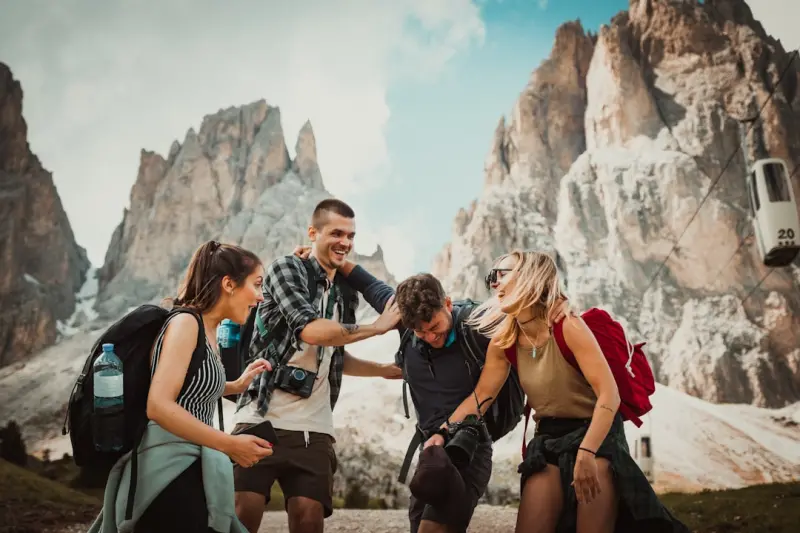
The Rise of Impact Tourism: How Travelers Are Redefining Adventure
Impact tourism blends adventure with purpose, guiding travelers to support local economies, protect ... Read More
Top Posts

AI‑Powered Customer Success: Turning Data Into Proactive Wins
AI is reshaping customer success from a reactive afterthought to a proactive, data‑driven engine. Learn how to build health scores, automated playbooks, and h...Read More

Smart Home Hacks for the Busy Professional
A comprehensive guide to transforming your living space into a productivity‑friendly sanctuary, featuring smart routines, decluttering strategies, and modular...Read More

First‑Party Data Strategies for a Cookieless Future
Discover practical steps to collect, activate, and measure first‑party data, turning privacy compliance into a competitive advantage....Read More
The Rise of Community‑Driven Brand Advocacy in Modern Marketing
Explore why shifting from traditional funnels to community‑centric marketing creates a powerful, self‑reinforcing engine of advocacy, loyalty, and sustainab...Read More
0 Comments
Post Comment
You will need to Login or Register to comment on this post!