
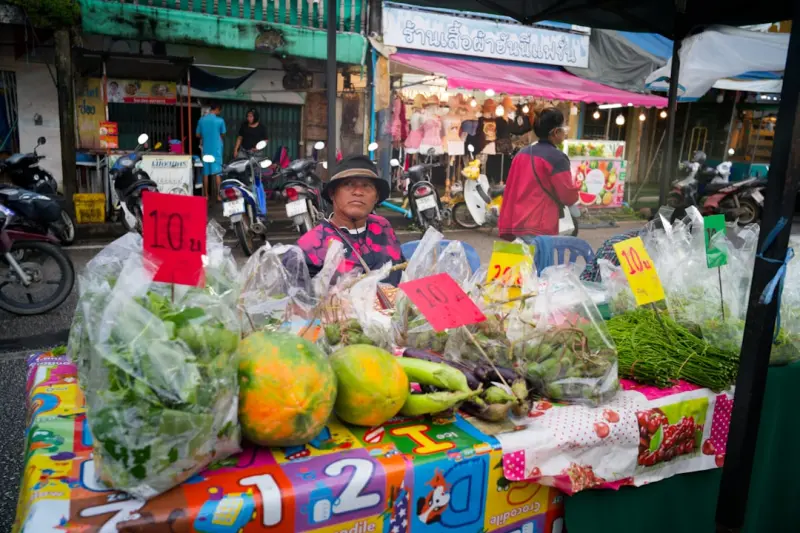
Why Food Markets Are the Ultimate Business Classroom
When I first stepped into a bustling market in Oaxaca, the scent of roasted chilies mingled with the chatter of vendors bargaining over mangoes. It wasn’t just a feast for the senses—it was a live case study in negotiation, supply chain dynamics, and cultural storytelling. As a frequent traveler who also runs a growing SaaS venture, I’ve learned that the most profound business lessons often arrive on a stall’s wooden countertop, not in a boardroom.
The Unscripted Curriculum of a Market Stall
Every stall tells a story, and that story is built on three pillars that any entrepreneur can apply:
- Adaptability. Vendors pivot instantly when a rainstorm threatens their produce or when a tourist rushes in demanding a quick demo of a new product. Their ability to re‑configure displays, adjust pricing, or swap inventory on the fly mirrors the agility we chase in SaaS development.
- Customer Insight. You watch a buyer linger over a spice blend, pick it up, sniff, then put it back. That hesitation is data. Successful vendors ask, “What problem are you solving?” and respond with a taste test, just as we should ask, “What pain point are we addressing?”
- Storytelling. A simple fruit can become a legend—“These oranges were hand‑picked at sunrise by families who have tended these groves for three generations.” That narrative creates emotional attachment, a technique we leverage in product positioning.
From Market to Boardroom: Translating Sensory Data into Strategic Decisions
Back at the office, I bring the market’s raw data into our strategic meetings. Here’s my step‑by‑step process:
- Observation Logs. I record sensory details—color, texture, aroma, and the vendor’s pitch. This becomes a qualitative dataset.
- Pattern Mapping. I map recurring themes: price elasticity, product bundling, and peak traffic times. It’s akin to mapping user journeys on a SaaS platform.
- Experimentation Blueprint. I design A/B tests for our own product based on the market’s successful tactics—like offering “sample trials” or “bundle discounts”.
- Feedback Loop. Just as vendors ask customers for immediate feedback, I set up rapid surveys after each feature release to capture real‑time sentiment.
Case Study: A Market‑Inspired Feature That Tripled Trial Conversions
Last year, while exploring a night market in Bangkok, I noticed a vendor who offered a “taste‑and‑take” deal: try a small sample of a dish, then decide if you want a full portion. The conversion rate was astonishing—over 70% of tasters bought the larger dish. Inspired, my team launched a “preview‑mode” for our analytics dashboard, letting prospects interact with a limited data set before committing to a full subscription. Within two months, trial‑to‑paid conversion jumped from 18% to 47%.
Building Cultural Competence Through Culinary Exploration
Traveling isn’t just about checking landmarks off a list; it’s about immersing yourself in the local rhythm. By engaging with food markets, you develop cultural competence—a critical asset for any SaaS company looking to expand globally. Understanding regional purchasing habits, language nuances, and even the symbolism of certain foods can inform localized UI/UX design, pricing strategies, and support frameworks.
Practical Tips for the Traveling Entrepreneur
Want to make the most of your next market visit? Here’s a quick checklist:
- Carry a notebook or voice recorder. Capture the vendor’s pitch verbatim; you’ll thank yourself when you translate it into a sales script.
- Sample, don’t just observe. Tasting a product gives you a visceral understanding of its value proposition.
- Ask the “why” behind pricing. Vendors often explain why a particular ingredient commands a premium, mirroring how we justify tiered pricing.
- Take photos of layouts. Notice how stalls are arranged—high‑visibility items, impulse buys, cross‑selling techniques. Apply these visual cues to your website’s layout.
- Leave with a small token. A spice packet or a handwritten recipe can serve as a tangible reminder of the lesson learned.
Bridging the Gap: From Sensory Experience to Data‑Driven Growth
Travel provides a sandbox where you can test hypotheses in real time. Unlike controlled lab environments, markets are chaotic, unpredictable, and brutally honest. That raw feedback loop is priceless for honing a growth mindset. When I return home, I translate the market’s rhythm into three core growth levers:
- Acquisition. Use the “sample‑first” approach to lower friction for new users.
- Retention. Build community rituals—like weekly “market‑style” webinars where users share success stories, echoing the communal vibe of a bustling bazaar.
- Monetization. Implement tiered bundles that reflect the “combo meals” strategy vendors use to increase average ticket size.
Connecting the Dots with Our Content Ecosystem
While the market metaphor fuels creativity, we also draw from the broader knowledge base we’ve cultivated. For example, the concept of unexpected journeys shaping narratives aligns with how a spontaneous market stall can redirect a product’s story. Likewise, digital detox strategies remind us that stepping away from screens—like immersing in a market—recharges our cognitive bandwidth. And for remote teams seeking inspiration, nature soundscapes can replicate the ambient hum of a market, boosting focus and creativity.
Future‑Proofing Your Business with a Traveler’s Mindset
In an era where AI and automation dominate headlines, the human element remains the differentiator. Markets teach us that authenticity, personal connection, and storytelling win hearts—and wallets. By embedding the traveler’s curiosity into your corporate DNA, you nurture a culture that continuously seeks fresh perspectives, tests bold ideas, and adapts with the agility of a seasoned vendor.
Conclusion: Pack Light, Travel Deep
Next time you book a flight, consider swapping a museum tour for a market stroll. Let the colors, smells, and conversations rewrite your mental models. Your next breakthrough product feature, customer acquisition tactic, or brand story might just be waiting behind a stall covered in vibrant textiles and sizzling street food.

Karen Edwards is a seasoned freelance writer with a passion for all things furry, feathered, and scaled. With a dedicated focus on pets, she brings a wealth of knowledge and a keen eye for detail to her writing.
Related Posts

Beyond the Guidebook: Crafting Sensory Journeys That Stay With You
Travel isn’t just about sights; it’s about the smells, sounds, flavors, and textures that etch a... Read More

How Business Travelers Can Turn Every Trip into a Competitive Advantage
Every business trip holds hidden data and opportunities. Discover a systematic approach to turning f... Read More

Weekly Wanderings: How Tiny Trips Transform Your Mind and Work
Learn to turn travel into a weekly habit with simple planning, smart packing, and sensory journaling... Read More
Top Posts

Micro‑Communities: The Hidden Engine Driving Modern Marketing
Explore the rise of micro‑communities in marketing, why they matter, and how to create authentic, data‑driven brand tribes that drive real growth....Read More

Why Google’s Data‑Lake‑House Is a Game‑Changer for B2B SaaS
Google’s data‑lake‑house combines cheap raw storage with powerful analytics, giving B2B SaaS teams a scalable, cost‑effective platform for faster insigh...Read More

Zero‑Party Data: Unlocking Trust‑First Digital Marketing for SaaS
Zero‑party data—information prospects willingly share—offers accuracy, consent, and personalization at scale. Learn how SaaS marketers can collect, levera...Read More

Beyond Automation: How AI Can Coach Your SaaS Strategy
Explore how the newest generation of advisory AI transforms from a simple automation tool into a strategic coach, helping SaaS leaders prioritize features, pric...Read More
0 Comments
Post Comment
You will need to Login or Register to comment on this post!