

Executive Escape: Curating Purpose‑Driven Luxury Journeys
When my calendar finally clears for a week‑long getaway, I don’t just book a five‑star hotel and a first‑class seat. I view travel as a strategic extension of my leadership playbook—a chance to recalibrate, gather fresh perspectives, and return with ideas that feel as refined as the silk pillowcase I sleep on. This mindset has transformed my trips from mere “vacations” into purposeful, high‑impact experiences that fuel both personal growth and corporate innovation.
The Power of a Narrative‑Driven Itinerary
Every successful executive trip starts with a story. Instead of asking, “Where should I go?” I ask, “What narrative do I want to live through this month?” A narrative‑driven itinerary aligns destination, activities, and even dining choices with a clear thematic goal—be it exploring the future of sustainable design, unlocking new market insights, or simply mastering the art of mindful leadership.
For example, a recent journey to the coastal town of Cinque Terre wasn’t just about sun‑kissed cliffs. I crafted a narrative around “maritime resilience.” Each day was a chapter: a morning meeting with local boat builders to discuss adaptive engineering, an afternoon sail to observe how centuries‑old vessels handle shifting tides, and a dinner with a marine biologist to translate those lessons into corporate agility. The result? A presentation that used sea‑borne metaphors to rally my product team around a new iterative development cycle.
Curating Sensory Touchpoints
Luxury travel for the executive is less about opulent rooms and more about curated sensory moments that linger long after the trip ends. I treat scent, sound, texture, and taste as data points that can be harvested for strategic insight.
- Smell: I request rooms scented with locally sourced cedar or citrus, a subtle cue that reminds me of the region’s natural resources. That aroma later inspired a brainstorming session on incorporating regional sustainability into our packaging.
- Sound: I schedule “quiet hours” in a hotel that offers a curated ambient playlist of indigenous instruments. The rhythms sparked ideas for a new user‑experience flow that felt both familiar and innovative.
- Texture: From hand‑woven linens to artisan‑crafted ceramics, tactile experiences become conversation starters with local creators, leading to collaborations that blend design aesthetics across continents.
- Taste: I dine at farm‑to‑table establishments that emphasize seasonal menus. Each bite is a lesson in adaptability—an essential trait for any SaaS leader navigating rapid market shifts.
Leveraging secure travel practices for Peace of Mind
Even the most meticulously planned narrative can be derailed by security concerns. In today’s hyper‑connected world, safeguarding data while on the move is non‑negotiable. I work with my IT team to set up encrypted mobile hotspots and use hardware security modules for any device that accesses sensitive dashboards. The peace of mind that comes from secure travel practices allows me to focus on the creative aspects of the trip, rather than worrying about data breaches in a hotel lobby.
Turning making travel time productive without sacrificing presence
Long hauls and layovers often feel like lost productivity, but I flip that script by treating transit as a portable think‑tank. I load my tablet with a curated reading list—case studies from emerging markets, design thinking frameworks, and a few chapters of a favorite philosophy book. I also schedule short, audio‑only brainstorming calls with my team, using the hum of the aircraft cabin as white noise that sharpens focus. The key is to keep these sessions concise (15‑20 minutes) so they complement, rather than dominate, the travel experience.
Strategic Partnerships with Local Visionaries
One of the most rewarding aspects of purposeful travel is the ability to forge relationships with local innovators. In Tokyo, I spent an afternoon with a startup founder who’s leveraging AI to predict fashion trends based on street‑level imagery. Our conversation sparked a joint pilot program that now informs our product roadmap for visual recognition features.
These partnerships are not random encounters; they’re the result of pre‑trip research and intentional outreach. I use LinkedIn’s advanced search filters to identify thought leaders whose work aligns with my company’s strategic pillars. Then I send a concise, personalized note explaining my travel theme and proposing a brief meeting. The response rate is surprisingly high when the invitation feels like a genuine exchange rather than a sales pitch.
The Role of micro‑expeditions as Pre‑Trip Warm‑Ups
Before embarking on a longer journey, I often schedule a micro‑expedition—a one‑day trek to a nearby cultural site or a weekend workshop in a neighboring city. These bite‑sized adventures serve as mental warm‑ups, priming my curiosity and sharpening my observational skills. While the main article on micro‑expeditions dives deep into their benefits, I’ve found them invaluable for setting the tone of larger trips.
Balancing Luxury with Sustainability
Luxury and sustainability are no longer mutually exclusive. I seek out eco‑luxury hotels that have earned certifications for energy efficiency, water conservation, and waste reduction. Many of these properties source food locally, use renewable energy, and offer carbon‑offset programs for guests. By choosing these venues, I align my personal values with corporate ESG goals, turning each stay into a case study for sustainable hospitality.
Post‑Trip Integration: From Insight to Action
The real value of a purpose‑driven executive escape materializes when I translate travel insights into tangible business outcomes. Within two weeks of returning, I schedule a “Travel Debrief” session with my leadership team. The agenda includes:
- Key observations and how they map to current strategic challenges.
- Potential collaborations with local partners, complete with contact details and next steps.
- Actionable ideas for product features or marketing narratives inspired by the trip.
- A roadmap for implementing sustainable practices observed during the stay.
This structured debrief ensures that the journey’s impact ripples throughout the organization, rather than fading like a postcard memory.
Conclusion: Travel as an Executive Superpower
Travel, when approached with intention, becomes a catalyst for leadership excellence. By crafting a narrative, curating sensory experiences, securing data, leveraging transit time, building local partnerships, and integrating insights back home, executives can transform a simple getaway into a strategic asset. The next time your calendar opens up, resist the urge to default to the usual resort checklist. Instead, design a purpose‑driven luxury journey that fuels both personal enrichment and corporate innovation.

Margaret Thomson is a seasoned freelance writer specializing in the dynamic worlds of marketing and advertising. With a career deeply rooted in the marketing field, Margaret brings a wealth of practical experience and insightful knowledge to her writing.
Related Posts
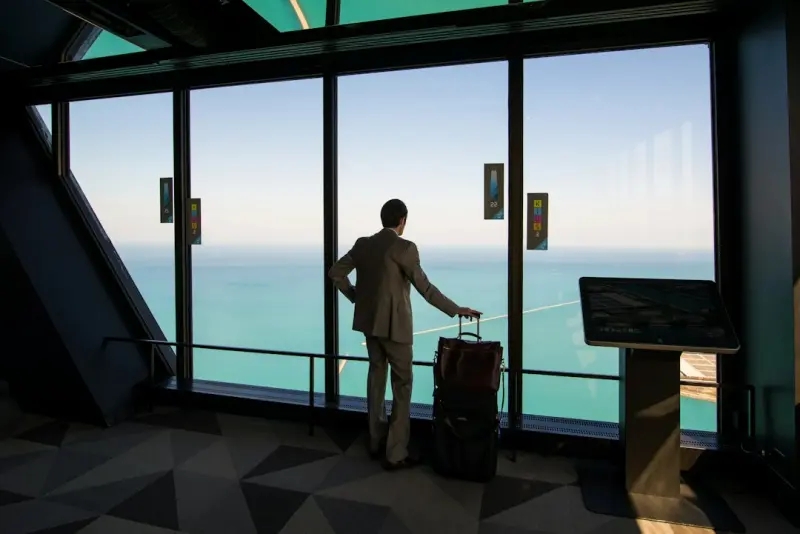
Why Every Business Traveler Needs a Digital‑Nomad Playbook
A seasoned executive shares a step‑by‑step playbook for turning business travel into a competiti... Read More

Designing a Portable Workstation for the Modern Nomad
Discover a step‑by‑step guide to creating a lightweight, efficient portable workstation, integra... Read More
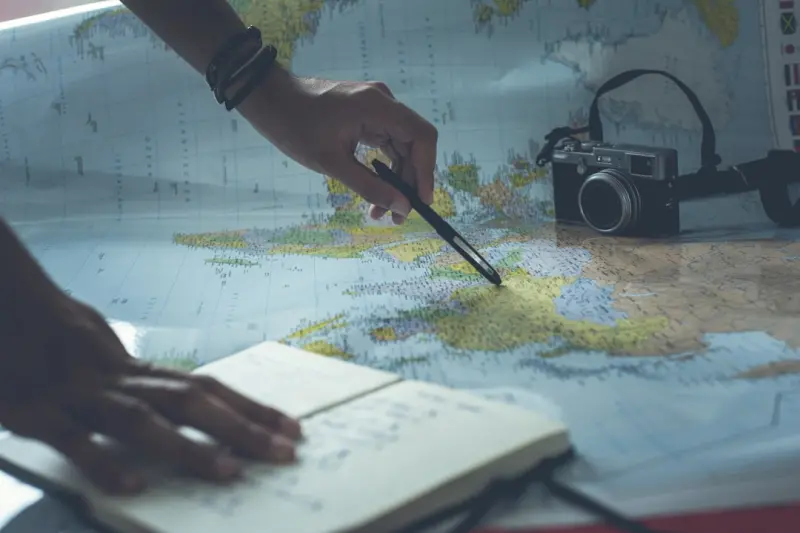
Turning Travel Into a Portable Innovation Lab
Discover a fresh approach to travel that transforms downtime into a structured innovation lab, boost... Read More
Top Posts

Google’s AI Wave 2026: What Marketers Need to Know
In 2026 Google’s AI overhaul demands a shift from keyword stuffing to conversation crafting; learn how to ride the wave with multimodal content, intent fulfil...Read More

Riding the Google AI Wave: Insights, Strategies, and the Human Touch
Explore practical tactics, metric insights, and a personal journey of turning skepticism into advocacy while mastering Google’s AI tools for sustainable marke...Read More

Why Interactive Video Is the Secret Weapon for Modern B2B Marketers
Interactive video lets B2B marketers turn passive viewers into active participants, capturing real intent signals and accelerating conversions. Learn how to des...Read More
From Insight to Influence: Rethinking B2B Marketing Narratives
Discover the power of narrative architecture—a deliberate, story‑first approach that aligns brand pillars with audience journeys, boosting engagement and co...Read More
0 Comments
Post Comment
You will need to Login or Register to comment on this post!