
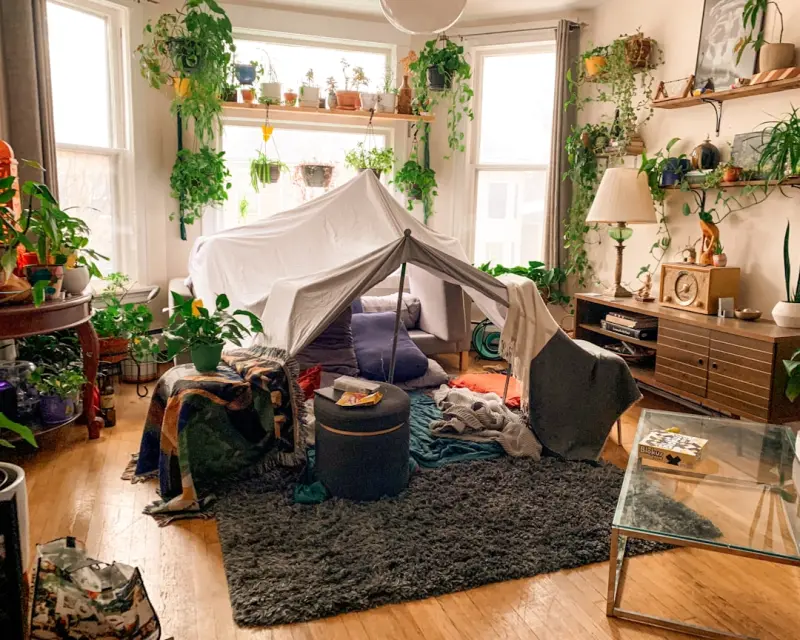
Reclaiming Calm: Small Home Tweaks That Turn Chaos into Comfort
When I first moved into my downtown loft, I thought I’d finally escaped the endless hum of the city. Instead, I was greeted by a chorus of clanging pans, a blinking router, and a stack of work‑from‑home emails that seemed to multiply like laundry. I quickly realized that a tidy space isn’t just about aesthetics—it’s the foundation for mental clarity, creativity, and the occasional cup of tea that doesn’t taste like regret.
Over the past few months I’ve experimented with a handful of low‑cost, high‑impact adjustments that transformed my chaotic nook into a sanctuary. Below is a step‑by‑step guide that anyone can follow, regardless of square footage or budget. Think of it as a “home‑hacks” cookbook—each tip is an ingredient, and together they serve up a dish of peace you’ll want to savor daily.
1. Curate Your Entryway: The First Impression Matters
The doorway is the subconscious handshake between you and your home. A cluttered entryway tells your brain, “We’re still in rush hour.” A clear, intentional space whispers, “Welcome back.” Here’s how to make that whisper audible:
- Designate a landing zone. Place a small bench or sturdy shoe rack right by the door. It becomes the physical spot where you drop keys, bags, and the mental load of the day.
- Implement a “one‑in, one‑out” rule. For every new pair of shoes, donate an old pair. This simple exchange prevents the floor from turning into a shoe graveyard.
- Introduce a sensory cue. Light a scented candle or diffuse a few drops of lavender essential oil. The aroma signals the brain that you’re transitioning from “outside hustle” to “inside hush.”
When you arrive home, the act of slipping shoes onto a bench and inhaling a calming scent can be the first step toward mental decompression. It’s a tiny ritual that feels like a reset button for your nervous system.
2. Optimize Light, Not Just Brightness
Lighting is the silent director of mood. Harsh fluorescent tubes can make a space feel clinical, while soft, layered light promotes relaxation. Follow these three stages:
- Morning: Natural light boost. Keep window treatments light and airy. Even a simple sheer curtain allows sunrise to filter in, syncing your circadian rhythm.
- Afternoon: Task lighting. Use adjustable desk lamps with warm‑white bulbs for reading or working. Position them to avoid glare on screens, which can strain eyes and increase mental fatigue.
- Evening: Ambient glow. Swap out bright bulbs for amber or dimmable LEDs. Adding a floor lamp with a fabric shade creates a cocooning effect that tells your brain it’s time to wind down.
Pro tip: a smart plug paired with a timer can automate the shift from bright to warm lighting, ensuring you never have to think about it.
3. Declutter with the “Four‑Box Method”
My favorite decluttering mantra is “keep, relocate, recycle, or toss.” To make it actionable, grab four boxes and label them accordingly. As you move through each room, place items into the appropriate box. The visual of an accumulating “keep” box often reveals just how much you truly need. When the boxes are full, set a deadline to process each one—donate the “relocate” items to a friend, recycle the “recycle” box, and responsibly dispose of the “toss” pile.
Why does this work? It transforms a vague “I need to declutter” into concrete, time‑bound actions, reducing the mental load that comes with an undefined to‑do list.
4. Create Micro‑Zones for Mindful Moments
Even in the tiniest apartment, you can carve out niche spaces dedicated to specific activities:
- The “Sip & Reflect” corner. A small table, a favorite mug, and a plant. Use it for morning coffee or an evening tea ritual.
- The “Stretch & Reset” zone. Lay down a yoga mat near a window. A five‑minute stretch routine can break up long periods of sitting and boost circulation.
- The “Read & Unplug” nook. A comfy chair, a soft throw, and a low‑light lamp. Keep electronics out of reach to truly disconnect.
These micro‑zones give your brain permission to switch gears, which is essential for preventing the feeling of being “stuck” in one role all day.
5. Harness the Power of Sound to Quiet the Mind
Sound is an often‑overlooked ally in the quest for home serenity. While a full‑blown white‑noise machine can be effective, you don’t need expensive gear. Consider these budget‑friendly alternatives:
- Curated playlists. Choose instrumental or low‑tempo tracks that lack lyrics. The steady rhythm can mask disruptive street noise without demanding attention.
- Nature recordings. A gentle rainstorm or ocean waves can evoke a sense of spaciousness even if you’re in a concrete high‑rise.
- DIY sound dampening. Hang tapestry or acoustic panels on bare walls. Even a thick rug can absorb echo, making the room feel cozier.
If you’re curious about how ambient soundscapes can transform a space, check out this guide on ambient soundscapes. While the original piece focuses on offices, the principles translate perfectly to living rooms and bedrooms.
6. Introduce Greenery for Air Quality and Mood
Plants do more than look pretty; they filter toxins, increase humidity, and release phytoncides that improve mood. Here are three low‑maintenance options for beginners:
- Snake Plant (Sansevieria). Thrives in low light and needs watering only when soil is dry.
- Pothos. A trailing vine that can hang from shelves; it tolerates occasional neglect.
- ZZ Plant. Nearly indestructible and can survive in fluorescent lighting.
Place a plant on your desk, by the window, or even on the bathroom counter. A single leaf can be a reminder that life persists even when you feel overwhelmed.
7. Simplify Digital Distractions
Even in a home setting, the digital world can be a major source of mental clutter. A few intentional habits can keep the “always‑on” feeling at bay:
- Designate “device‑free” zones. The dining table, the bedroom, and your new “Sip & Reflect” corner should remain screen‑free.
- Set app limits. Use built‑in phone features to cap social media usage after a certain hour.
- Batch notifications. Turn off non‑essential alerts and schedule a single “check‑in” time each day.
For a deeper dive into digital wellness, especially how to protect your mental bandwidth, see Digital Overload: A Health‑First Playbook. Although it targets professionals, the strategies apply equally to home life.
8. Tame the Temperature: Comfort Is a Science
Temperature swings can subtly sabotage your sense of comfort. A few smart tweaks can make your environment more forgiving:
- Programmable thermostat. Set it to lower the heat a few degrees at night and raise it just before you wake up.
- Layered textiles. A throw blanket and a rug can add warmth without turning up the furnace.
- Window insulation. Use removable thermal curtains to keep drafts out during winter and block heat in summer.
The goal isn’t to achieve a perfect climate at all times—just to avoid the extremes that make you reach for the remote more often than you’d like.
9. Personalize with Meaningful Objects
Decor isn’t just about trends; it’s about stories. Display items that evoke positive memories—a travel souvenir, a hand‑stitched pillow, a framed photo of a laughing friend. These objects serve as visual anchors, reminding you of moments that bring joy and grounding your present experience.
10. Maintain a “Reset” Routine Before Bed
The transition from day to night can be chaotic if you let it. A simple 10‑minute wind‑down routine can signal your brain that sleep is imminent:
- Dim the lights. Lower the brightness on all bulbs and turn off blue‑light screens.
- Gentle stretch. Reach upward, roll your shoulders, and breathe deeply.
- Journal briefly. Jot down three things you accomplished and one thing you’re looking forward to tomorrow.
Over time, this routine trains your nervous system to associate the cues with relaxation, leading to faster, deeper sleep.
Putting It All Together: A Sample Day
Imagine you wake up to natural sunlight streaming through sheer curtains, step onto a soft rug, and place your shoes on the bench by the entryway while inhaling a faint scent of lavender. You brew coffee in your “Sip & Reflect” corner, glance at a plant leaf, and feel a quiet gratitude. Throughout the day, you move between your work desk (bathed in warm task lighting) and a brief “Stretch & Reset” zone by the window, where you listen to a low‑tempo playlist. As evening approaches, you dim the lights, switch to ambient soundscapes, and settle into your reading nook, device‑free, with a novel. Finally, you complete a short journaling ritual, lower the thermostat, and drift into sleep feeling refreshed.
By weaving these simple habits into the fabric of your daily life, you create an environment that nurtures your mind, body, and spirit—without needing a major renovation or a hefty budget.
Remember, the journey to a calmer home isn’t about achieving perfection; it’s about making incremental, intentional choices that add up to a profound sense of well‑being. Start with one tip, observe the shift, and gradually layer on more. Before you know it, your home will feel less like a revolving door of responsibilities and more like a haven you eagerly return to each day.

Related Posts

Quarterly Home Reset: Reboot Your Space and Mind
A practical guide to a four‑month home reset that declutters, streamlines systems, refreshes ambia... Read More

Smart Home Energy Hacks: Simple Steps to Slash Your Bills
Learn practical energy‑saving tricks for every room, from DIY insulation to smart appliance use, t... Read More

Unlock Your Home’s Hidden Efficiency: Fresh Tips for Modern Living
A hands‑on guide to mapping energy flow, optimizing lighting, upgrading HVAC, and adding biophilic... Read More
Top Posts

Quantum‑Safe Encryption: Future‑Proofing Your SaaS Platform
Quantum‑safe encryption is no longer a futuristic concept; it’s a pressing need for SaaS providers. This article outlines the upcoming quantum threat, pract...Read More

The Rise of Real‑Time Co‑Creation Hubs in B2B Marketing
Real‑time co‑creation hubs let marketers collaborate live with prospects and customers, turning passive audiences into active product partners, accelerating...Read More

Ephemeral Content Strategies: How Brands Win With 24‑Hour Stories
Learn how fleeting, 24‑hour stories can create urgency, drive conversions, and become a core pillar of modern digital marketing strategies....Read More

Listening to the Landscape: Curating a Personal Soundtrack for Every Journey
Explore the power of sound in travel. Learn to build a personal soundtrack, capture ambient audio, and deepen cultural connections for unforgettable journeys....Read More
0 Comments
Post Comment
You will need to Login or Register to comment on this post!