
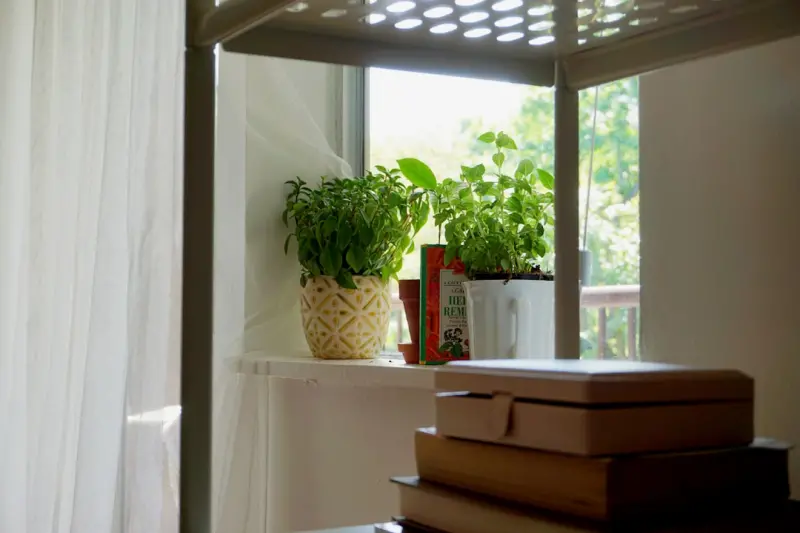
Quiet Corners: Turning Small Spaces into Productive Sanctuaries
When I first moved into a modest two‑bedroom apartment, the idea of carving out a dedicated workspace felt like a fantasy. The living room doubled as a dining area, the bedroom was a sleep‑only zone, and the hallway was a constant parade of shoes, coats, and stray mail. Over the years, I’ve learned that a well‑designed nook can do more than just hold a laptop – it can become the mental engine that powers your day, even in the tightest of footprints.
Why the “Quiet Corner” Concept Works
We’re wired to seek environments that reduce cognitive load. Open‑plan offices, while trendy, often bombard us with visual and auditory clutter. At home, the stakes are even higher because the boundary between work and leisure is fluid. By deliberately shaping a quiet corner, you give your brain a cue: “Here, focus lives.” That cue triggers dopamine pathways associated with concentration, making it easier to slip into flow state without the need for a costly renovation.
Step‑by‑Step Blueprint for Crafting Your Sanctuary
- Audit the Space. Walk through every room with a notebook. Mark any wall, alcove, or under‑utilized corner that sees less than ten minutes of foot traffic per day. These are your prime real estate candidates.
- Define the Purpose. Are you planning to write, code, draw, or simply read? Different tasks demand different ergonomics. For a laptop‑heavy setup, a sturdy desk at eye level is non‑negotiable. For a reading nook, a plush chair and soft lighting take precedence.
- Control Light. Natural light is a productivity booster, but glare can be a nightmare. Position your desk near a window, then add a bias‑lighting strip behind your monitor to soften contrast. In low‑light rooms, a dimmable LED lamp with a warm hue mimics sunset and reduces eye strain.
- Sound Management. If you live in a bustling neighborhood, a white‑noise machine or a pair of noise‑cancelling headphones can be a game‑changer. For those who thrive on background hum, a low‑volume playlist of instrumental tracks works wonders. I personally love the audio‑first strategies mindset: treat sound as a design element, not an afterthought.
- Minimalist Furnishings. Clutter is the enemy of focus. Choose furniture with clean lines and hidden storage. A wall‑mounted floating desk, for instance, frees floor space and creates a visual sense of openness.
- Personal Touches. A single piece of artwork, a small plant, or a meaningful trinket can anchor the space emotionally without overwhelming it. The key is “one‑or‑two items max.”
Furniture Hacks for the Budget‑Savvy
Not everyone can afford a custom‑built desk. Here are three low‑cost hacks that have stood the test of time:
- Repurpose a Kitchen Cart. A three‑tier rolling cart becomes a mobile workstation. Add a wooden top, a keyboard tray, and you’ve got a flexible hub that can be tucked away when not in use.
- Use a Sturdy Clipboard. For writers who love the tactile feel of paper, a clipboard mounted to the wall serves as a portable drafting surface. Pair it with a stack of reusable notebooks and you’re set.
- DIY Pallet Shelf. Two reclaimed pallets, a few brackets, and a coat of paint transform into a rustic shelf that can hold books, a lamp, and a small planter.
The Power of Micro‑Breaks
Even the most perfectly designed corner can become a productivity sink if you stay glued to it for hours on end. Research shows that taking a 5‑minute break every 25 minutes (the Pomodoro technique) boosts retention and reduces fatigue. Use those micro‑breaks to stand, stretch, or glance out the window. If you’re a traveler at heart, think of each break as a mini‑itinerary: micro‑itineraries for your mind.
Integrating Technology without Overwhelm
Smart home devices can reinforce the quiet corner’s purpose. A voice‑activated smart plug can switch off the main lights and turn on a desk lamp with a single command. A smart thermostat ensures the temperature stays comfortable, preventing that “too cold to focus” distraction. However, remember the principle of technology minimalism: only add gadgets that directly support your workflow.
Maintaining the Sanctuary Over Time
Just as you’d clean out a closet seasonally, your quiet corner deserves a routine audit. Every three months, remove any item that no longer serves a purpose. Dust surfaces, check cable management, and reassess lighting. A tidy environment keeps the mental clutter at bay.
Case Study: From Chaotic Kitchen Table to Calm Command Center
One of my clients, a freelance graphic designer named Maya, was struggling with constant interruptions at her kitchen table. The table was a hub for meals, bills, and her laptop. We followed the blueprint above:
- Identified a narrow space beside her living room window.
- Installed a floating desk with a built‑in cable tray.
- Added a sleek LED lamp and a small succulents cluster.
- Set up a white‑noise speaker that played low‑frequency rainforest sounds.
Within two weeks, Maya reported a 30% increase in billable hours and a noticeable reduction in stress. Her “kitchen table” became a memory, and the new corner was her daily launchpad.
Beyond Work: Using the Corner for Personal Growth
The same principles apply if you want the space to double as a meditation zone, a reading nook, or a hobby station. Swap the laptop for a sketchpad, replace the lamp with a scented diffuser, and you’ve instantly re‑purposed the area without moving furniture.
Final Thoughts: Your Quiet Corner Is a Living Project
Creating a productive sanctuary isn’t a one‑off DIY sprint; it’s an evolving practice. As your needs shift, let the space shift with you. The goal isn’t perfection—it’s a reliable backdrop that lets you show up for your work, your passions, and your wellbeing every day.

Dale Peterson is a freelance writer with a passion for technology, travel, law and personal finance. With 10 years of experience crafting compelling and informative content, he's dedicated to delivering high-quality writing for Blogging Fusion that engages audiences and achieves specific goals.
Related Posts

Acoustic Zen: Transform Your Home into a Quiet Sanctuary
Learn how to turn any room into a sound‑proof haven with affordable DIY upgrades, smart tech, and ... Read More
Brain‑Friendly Home Hacks: Light, Sound, and Space for Peak Productivity
Discover how dynamic lighting, curated soundscapes, strategic micro‑zones, and simple plant tricks... Read More
Micro‑Zones for a Calmer, More Productive Home
Discover how breaking your home into purposeful micro‑zones, using light, scent, and low‑effort ... Read More
Top Posts

Riding Google’s AI Wave: A Human‑First Marketer’s Playbook
Learn to surf Google’s AI wave by prioritizing empathy, storytelling, and flexible content—turning algorithmic changes into growth opportunities for your br...Read More

Breathing Back Into Balance: Harnessing the Power of Your Inhale for Everyday Health
Explore the transformative impact of conscious breathing on stress, sleep, and overall health. Practical tips turn everyday inhales into a powerful wellness too...Read More

Micro‑Communities: The Hidden Engine Driving Modern Marketing
Explore the rise of micro‑communities in marketing, why they matter, and how to create authentic, data‑driven brand tribes that drive real growth....Read More

When Generative AI Becomes the Backbone of SaaS Development
Generative AI is turning from a novelty into a core development partner, accelerating code creation, enhancing security, and enabling low‑code rapid prototypi...Read More
0 Comments
Post Comment
You will need to Login or Register to comment on this post!