

Travel has always been a catalyst for personal growth, but for neurodivergent explorers—those who experience the world through a uniquely wired brain—the journey can feel like stepping onto a stage with bright lights and a roaring audience. I’m Michelle Fisher, and after years of navigating bustling airports, sensory‑rich markets, and endless itineraries with my own ADHD and sensory processing nuances, I’ve learned to turn potential overload into a series of intentional, empowering moments. This guide is a collection of hard‑won strategies, curated tools, and mindset shifts that let neurodiverse travelers trade anxiety for excitement, turning each trip into a comfortable, enriching adventure.
Why Sensory‑Friendly Travel Matters
Neurodivergence isn’t a single experience; it’s a spectrum that can include ADHD, autism, sensory processing disorder, anxiety, and more. While the term “sensory‑friendly” is often associated with museums or amusement parks, it’s equally crucial for travel. Overstimulating environments—crowded terminals, bright signage, constant background noise—can quickly drain mental energy, leading to burnout before you even reach your destination.
Understanding the “why” behind these challenges is the first step toward designing a travel plan that respects your nervous system. When you acknowledge that certain stimuli are triggers, you can proactively create buffers—quiet moments, predictable routines, and sensory tools—that transform chaos into a series of manageable experiences.
Pre‑Trip Planning: Building a Sensory Blueprint
The foundation of a successful trip lies in the planning phase. Here’s how to construct a sensory blueprint that anticipates challenges and equips you with solutions before you board the plane.
- Map Out Sensory Hotspots. Use tools like Google Maps Street View to preview bustling areas. Identify quiet cafés, lesser‑known exits, and parks where you can retreat when the sensory input spikes.
- Curate a Packing List of Calming Essentials. Noise‑cancelling headphones, weighted blankets, fidget tools, and sunglasses aren’t luxuries—they’re necessities for many neurodivergent travelers.
- Leverage home office oasis principles. Think of your travel space as a temporary office. Bring a portable, ergonomic pillow or a lap desk to create a familiar, comfortable workstation wherever you land.
- Schedule Downtime. Block out “quiet hours” in your itinerary. Even a 30‑minute walk in a park or a coffee break at a low‑traffic spot can reset your sensory system.
- Communicate Your Needs. Reach out to airlines, hotels, or tour operators ahead of time. Many now offer “sensory‑friendly” rooms or priority boarding for those who request it.
Transportation Tactics: From Airports to Trains
Transportation hubs are the ultimate sensory gauntlet. Here’s how to navigate them with less stress.
- Early Arrival = Early Calm. Arriving two hours before a flight gives you time to settle, find a quiet gate, and avoid the last‑minute rush.
- Use Airline Apps for Real‑Time Updates. Monitoring gate changes on your phone reduces the need to wander the terminal looking for signs, cutting down on visual overload.
- Noise‑Cancelling Headphones Are Your Best Friend. Pair them with calming playlists or white‑noise apps. If you’re on a budget, consider budget-friendly models that still deliver decent isolation.
- Plan Sensory Breaks on Long Flights. Schedule a short walk up and down the aisle every hour. Stretching helps regulate the nervous system and prevents stiffness.
- Consider Alternative Airports. Smaller regional airports often have shorter lines and quieter waiting areas. A short bus ride might be worth the serenity.
Accommodations: Crafting a Home‑Away‑From‑Home
Choosing the right lodging can make or break a trip. Look for places that prioritize quiet, natural light, and flexibility.
- Ask About Soundproof Rooms. Many boutique hotels and Airbnb hosts are happy to share floor plans or photos that show window placement and wall thickness.
- Bring a Portable White‑Noise Machine. Even a simple phone app can mask unfamiliar sounds that would otherwise be distracting.
- Control Lighting. Pack a travel-sized amber light filter for phone screens and request blackout curtains when possible.
- Create a Mini‑Routine. Before bedtime, follow a consistent wind‑down ritual—perhaps a short meditation or reading—so your brain recognizes it as a cue for sleep, no matter the location.
Exploring Destinations: Sensory‑Smart Itineraries
Once you’ve landed, the real adventure begins. Designing a sensory‑smart itinerary helps you soak up culture without drowning in stimulation.
- Start with Low‑Key Activities. Begin your day with a stroll through a quiet garden or a museum during off‑peak hours. This sets a calm tone for the day.
- Layer Experiences. Pair high‑stimulus activities (like a bustling market) with low‑stimulus recovery periods (a coffee shop with soft music).
- Use tiny wellness actions on the go. Simple stretches, mindful breathing, or a brief meditation can be performed in hotel rooms, airport lounges, or even public benches.
- Leverage Technology. Apps that crowd‑source real‑time data on venue noise levels can guide you to quieter hours or alternative sites.
- Engage All Senses Selectively. If you love food but find crowds overwhelming, book a private cooking class or a sunrise market visit before the rush.
Eating Out: Managing Sensory Overload at the Table
Restaurants are sensory hotspots—bright lighting, clattering plates, background music, and varied textures. Here’s how to savor meals without sensory fatigue.
- Scout Menus Online. Knowing what’s on the menu ahead of time reduces decision‑making stress.
- Choose Seating Wisely. Opt for booths or tables away from the kitchen and restrooms. Outdoor seating can also provide a calmer atmosphere.
- Control Temperature. If the dining area is too cold or hot, request a different spot or bring a light jacket.
- Bring Your Own Utensils. Some neurodivergent travelers prefer specific fork or spoon shapes. A small set in your bag can be a game‑changer.
- Take Breaks. If the environment becomes overwhelming, excuse yourself for a short walk or a quick return to the hotel.
Social Interaction: Navigating New Connections
Meeting locals or fellow travelers can be one of the most rewarding parts of a journey, yet social cues can feel like a maze. Here’s a framework to make connections feel natural.
- Set Clear Intentions. Decide whether you want a brief chat, a shared meal, or a deeper cultural exchange. This mental cue reduces anxiety about “what to say.”
- Use Structured Conversation Starters. Simple questions about a place’s history or a recommendation for a hidden gem can steer the dialogue.
- Leverage Group Tours. Small, guided tours provide a built‑in script and limit the pressure to improvise.
- Practice “Social Scripts” Beforehand. Rehearse short introductions and exit phrases so you can gracefully leave a conversation if it becomes overstimulating.
Technology as an Ally: Apps and Gadgets for Sensory Regulation
Modern travel tech isn’t just for navigation; it can actively support sensory regulation.
- Noise‑Cancellation Apps. Some phone apps can generate adaptive soundscapes that respond to ambient noise, providing a dynamic buffer.
- Light‑Filtering Glasses. Smart glasses that adjust to bright sunlight or harsh indoor lighting can protect eyes and reduce headaches.
- Wearable Stress Monitors. Devices that track heart rate variability (HRV) can alert you when your body is entering a stress state, prompting a planned break.
- Translation and Accessibility Apps. Real‑time translation can ease anxiety when language barriers arise, while accessibility apps highlight wheelchair‑friendly routes for those who need them.
Mindful Movement: The Power of Micro‑Movements on the Road
Just as tiny wellness actions can boost focus at a desk, they also keep your nervous system balanced while traveling. Simple stretches—like neck rolls, shoulder shrugs, or seated leg lifts—performed in an airport lounge or hotel room can reset sensory overload. Aim for a set of five micro‑movements every two hours; the cumulative effect is a calmer, more resilient mind.
Dealing with Unexpected Sensory Triggers
Even the best‑planned trips can encounter surprises: sudden construction noise, an unexpected crowd, or a change in lighting. Here’s a quick response toolkit.
- Pause and Ground. Use the 5‑4‑3‑2‑1 grounding technique—identify five things you see, four you can touch, three you hear, two you smell, and one you taste.
- Activate Your Sensory Kit. Pull out noise‑cancelling headphones, a calming scent (like lavender roll‑on), or a weighted lap pad.
- Reframe the Situation. Shift your internal narrative from “I’m trapped” to “I have tools to manage this.” This mental pivot can lower cortisol spikes.
- Seek Assistance. If you’re in a public space, politely ask staff for a quieter area or a different seat.
Post‑Trip Reflection: Turning Experiences into Growth
After the trip, take time to reflect on what worked and what didn’t. Journaling can help you track sensory triggers and successful coping strategies. Over time, you’ll build a personalized travel playbook—an evolving guide that makes each subsequent adventure smoother.
Consider documenting:
- The most calming locations you discovered.
- Which sensory tools were indispensable.
- How your itinerary pacing affected overall enjoyment.
- Any unexpected moments of joy that arose when you stepped out of your comfort zone.
These insights not only improve future trips but also empower you to share knowledge with other neurodivergent travelers, fostering a supportive community.
Final Thoughts: Embrace the Journey, Not Just the Destination
Travel isn’t about checking boxes; it’s about experiencing the world in a way that feels authentic to you. By anticipating sensory needs, leveraging technology, and building flexible routines, neurodivergent explorers can transform potential stressors into opportunities for growth and joy. Remember, the most memorable journeys are those where you feel safe enough to be present—where every texture, sound, and sight adds to a rich tapestry rather than a tangled knot.
Whether you’re charting a solo backpacking adventure, a remote‑work retreat, or a family vacation, let these strategies be the compass that guides you toward a travel experience that honors your unique neurological makeup. The world is vast, vibrant, and waiting for you—sensory‑friendly or not. Pack your curiosity, your calming toolkit, and step out with confidence. The next adventure is yours to design.

In the world of freelance writing, where creativity and adaptability are paramount, Michelle Fisher stands out as a dedicated and versatile professional. With a passion for crafting compelling narratives and a keen eye for detail, Michelle has established herself as a trusted voice.
Related Posts

Cultural Immersion Playbooks: Turning Everyday Markets into Idea Factories
Learn how to turn everyday market observations into actionable business insights using a five‑step... Read More
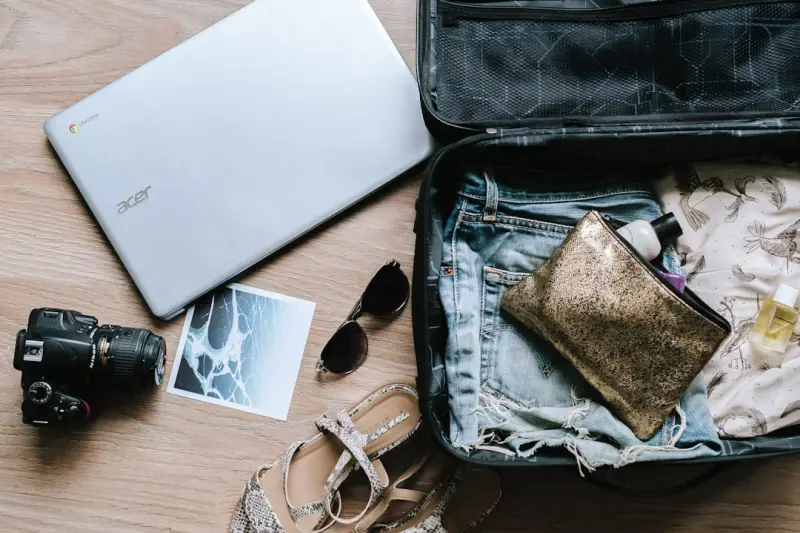
The Art of Travel Minimalism: How Light Packing Boosts Business Performance
Travel minimalism isn’t just about packing fewer items; it’s a strategic mindset that frees ment... Read More

Scent, Sound, and Flavor: Crafting a Sensory Travel Experience
Explore the power of scent, sound, and local markets to craft immersive travel experiences that ling... Read More
Top Posts
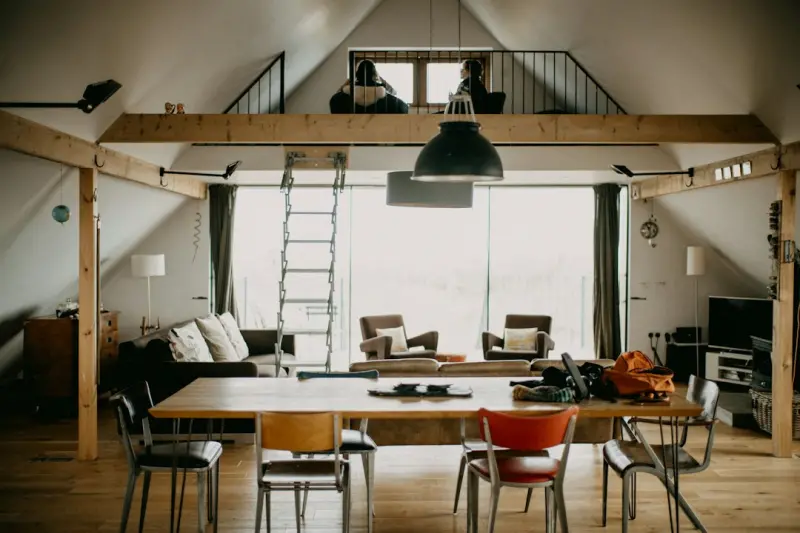
Smart Zoning: Transform Your Open‑Plan Home into Distinct Work, Play, and Rest Areas
Discover practical, low‑cost strategies to divide an open‑plan space into clear work, play, and rest zones, boosting productivity and wellbeing without perm...Read More

Edge AI and Synthetic Data: The Twin Engines Powering Next‑Gen SaaS
Edge AI and synthetic data are reshaping SaaS delivery. Learn practical steps to deploy lightweight models at the edge, generate realistic training data, and cr...Read More

Ambient Computing: How Invisible Tech Is Redefining Everyday Life
A deep dive into ambient computing, the silent tech that anticipates needs, transforms homes and workplaces, and promises a future where technology fades into t...Read More

Riding Google’s AI Wave: How to Keep Your Brand Human and Thriving
Explore practical steps to blend Google’s AI tools with genuine brand voice, preserving authenticity while boosting performance and staying ahead of the curve...Read More
0 Comments
Post Comment
You will need to Login or Register to comment on this post!