

When I first moved into my downtown loft, the walls felt like a constant hum of the city outside and the clutter inside seemed to echo my own mental chatter. I realized that a home isn’t just a place to store furniture—it’s a living organism that can either amplify stress or dissolve it. Over the past few months I’ve experimented with a mix of science‑backed habits, low‑cost DIY projects, and a sprinkle of smart‑home tech to create what I now call a “low‑stress sanctuary.” Below, I’m sharing the step‑by‑step blueprint that turned my chaotic house into a calm‑inducing haven, and you can adapt each piece to fit any size space or budget.
1. Start with Intentional Decluttering
Before you buy a new rug or install a light fixture, ask yourself one simple question: Does this item serve a purpose or spark joy? The answer should be honest, not sentimental. I began by sorting every room into three piles: keep, donate, and discard. The key is to keep the “keep” pile small—every extra item is a potential visual noise that competes for your attention.
- One‑in‑One‑out rule. For every new piece you bring home, remove one existing item. This maintains a steady equilibrium.
- Micro‑zones. Break large rooms into zones (reading nook, work corner, relaxation area). Declutter each zone separately; it feels less overwhelming.
- Visibility matters. Store everyday essentials in clear containers or open shelves so you can see what you have without digging.
After a weekend of sorting, my living room went from a “stuff‑storm” to a spacious canvas. The mental clarity that followed was immediate—my mind stopped trying to “file” the clutter it saw.
2. Harness Natural Light and Air Flow
Light is the most potent mood‑shifter in a home. Studies show that exposure to natural daylight boosts serotonin, which improves focus and reduces anxiety. If your windows are small or blocked, consider these upgrades:
- Sheer curtains. They diffuse harsh sun while still letting the light in.
- Strategic mirrors. Placing a mirror opposite a window can double the perceived light.
- Air‑purifying plants. Snake plants, peace lilies, and pothos not only look great but also filter indoor pollutants, creating fresher breathing space.
In my own kitchen, a simple switch to a frosted glass panel on the upper cabinet opened up a pathway for light, turning the space from dim to bright without any major renovation.
3. Quiet Corners for Auditory Relief
Sound is often the invisible stressor we overlook. The hum of traffic, the buzz of appliances, or even the echo of our own footsteps can wear down concentration. I took inspiration from creating functional quiet corners and carved out a “sound sanctuary” in a previously unused hallway alcove. Here’s how you can replicate it:
- Soft flooring. Add a plush rug or foam tiles to absorb footfall.
- Acoustic panels. DIY panels made from fabric‑wrapped insulation board can be mounted on the walls; they look chic and reduce reverberation.
- White‑noise source. A small tabletop fountain or a white‑noise machine can mask intrusive sounds.
My quiet corner now doubles as a mini‑meditation space, perfect for a five‑minute breath reset between Zoom calls.
4. Color Psychology: Choose Calming Palettes
Color isn’t just decorative; it influences our nervous system. Soft blues, muted greens, and warm neutrals are proven to lower heart rate and promote relaxation. When repainting, I opted for a “dusty sage” on the bedroom walls and a “soft sky” on the bathroom. The subtle contrast keeps each space distinct yet cohesive.
If a full paint job feels daunting, try these low‑commitment alternatives:
- Accent textiles. Swap out pillow covers, throws, and curtains in calming hues.
- Artwork. Choose prints that incorporate soft colors and natural scenes.
- LED mood lighting. Adjustable color temperature bulbs let you shift from cool to warm tones as the day progresses.
5. Green Touches That Do More Than Look Good
Beyond aesthetics, indoor greenery plays a tangible role in stress reduction. A study from the University of Queensland found that even a single potted plant can lower blood pressure. Here are my top picks for low‑maintenance, air‑cleaning plants:
- Snake plant. Thrives on neglect, tolerates low light, and converts CO₂ into oxygen at night.
- ZZ plant. Glossy leaves add a modern touch while absorbing toxins.
- Spider plant. Propagates easily; you can create a cascade of new plants for free.
Arrange them at varying heights—floor pots, hanging baskets, and shelf‑top pots—to create visual interest and break up hard lines.
6. Smart‑Home Tools for Energy & Stress Management
Automation doesn’t have to be expensive or complex. Simple smart plugs and thermostats can keep the home environment steady, which in turn reduces the mental load of remembering to turn devices off or adjust temperatures.
- Smart thermostat. Set schedules that align with your work‑from‑home routine; the house will warm up before you start your day and cool down during nap time.
- Voice‑activated lights. Use routines like “Good Night” to dim lights gradually, signaling your brain that it’s time to unwind.
- Energy‑monitoring plug. Identify gadgets that draw power even when idle and schedule them to power down.
Integrating these devices not only saves on utility bills but also eliminates the tiny decision‑fatigue that comes from constantly adjusting settings.
7. Seasonal Refresh Ideas to Keep Energy Flowing
Just as we rotate our wardrobes, our home decor benefits from seasonal tweaks. This practice prevents stagnation and keeps the environment feeling fresh. I borrowed ideas from seasonal refresh ideas and applied them in a way that respects both budget and sustainability.
Spring: Swap heavy drapes for lightweight linen; add fresh-cut flowers in mason jars.
Summer: Introduce breathable cotton throws, open windows for cross‑ventilation, and replace scented candles with citrus essential oil diffusers.
Fall: Bring in warm textures—wool blankets, plush rugs—and switch to amber lighting.
Winter: Layer with soft fleece, incorporate warm‑tone artwork, and add a low‑profile heater or heated blanket for cozy evenings.
These micro‑changes are easy to implement and have a surprisingly large impact on how the space feels.
8. Mindful Maintenance: The Rituals That Preserve Calm
Creating a sanctuary is only half the battle; maintaining it requires small, repeatable habits:
- 15‑minute nightly reset. Before bed, spend a quarter of an hour tidying surfaces, fluffing pillows, and turning off electronics.
- Weekly air‑quality check. Wipe down vents, dust ceiling fans, and water plants.
- Monthly declutter sprint. Pick one drawer or closet and apply the one‑in‑one‑out rule.
When these rituals become routine, they transform from chores into moments of intentional care for your environment—and by extension, yourself.
9. Personal Touches That Anchor You
A low‑stress home is not a sterile gallery; it should reflect your story. Incorporate personal artifacts that evoke positive memories—travel souvenirs, handwritten notes, or a family photo wall. The key is to keep these items intentional and not let them become visual clutter. A well‑curated gallery of frames, for example, adds warmth without overwhelming the space.
10. The Ripple Effect: From Home to Work
After implementing these changes, I noticed a measurable shift in my productivity. My focus sessions lasted longer, and I felt less compelled to “check” my phone during breaks. The calm ambiance also made virtual meetings feel more professional; background noise was minimal, and the lighting was flattering. This illustrates a vital point: a serene home environment fuels mental clarity that transcends the four walls.
In sum, turning your house into a low‑stress sanctuary isn’t about a single grand renovation. It’s about a series of intentional, incremental upgrades that collectively shift the energy of the space. Start with the easiest win—perhaps a quick declutter or a new plant—and build from there. Your home will gradually become the quiet, restorative base that supports every other aspect of your life.

Karen Edwards is a seasoned freelance writer with a passion for all things furry, feathered, and scaled. With a dedicated focus on pets, she brings a wealth of knowledge and a keen eye for detail to her writing.
Related Posts

Seasonal Home Reset: How to Seamlessly Transition Your Space Every Few Months
Learn a practical, four‑phase approach to seasonally refresh your home, from spring decluttering t... Read More
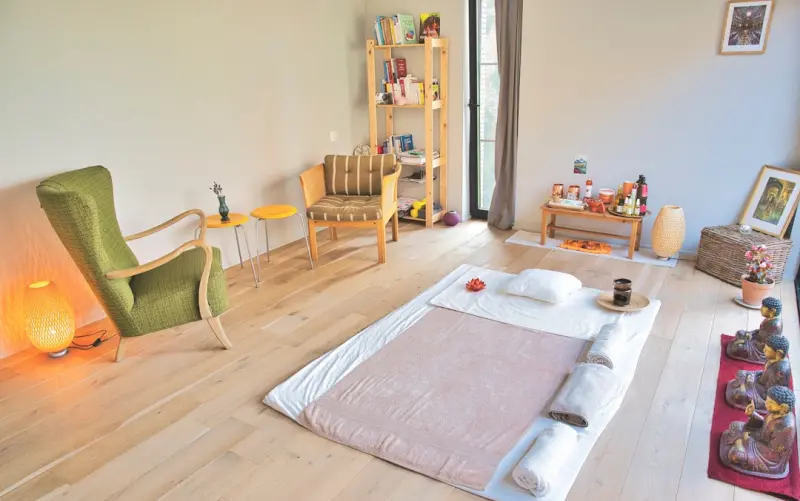
Crafting a Sensory Sanctuary at Home: A Practical Guide
Discover step‑by‑step ways to transform any room into a sensory sanctuary, using light, sound, n... Read More

Sunlit Spaces: Harnessing Natural Light to Energize Your Home
Learn how to turn daylight into a functional home super‑power with window treatments, mirrors, sma... Read More
Top Posts

AI‑Generated Content Audits: The New Engine Driving SEO Success
Learn why AI‑generated content audits are reshaping SEO, offering a hybrid workflow that blends machine intelligence with human expertise for superior search ...Read More
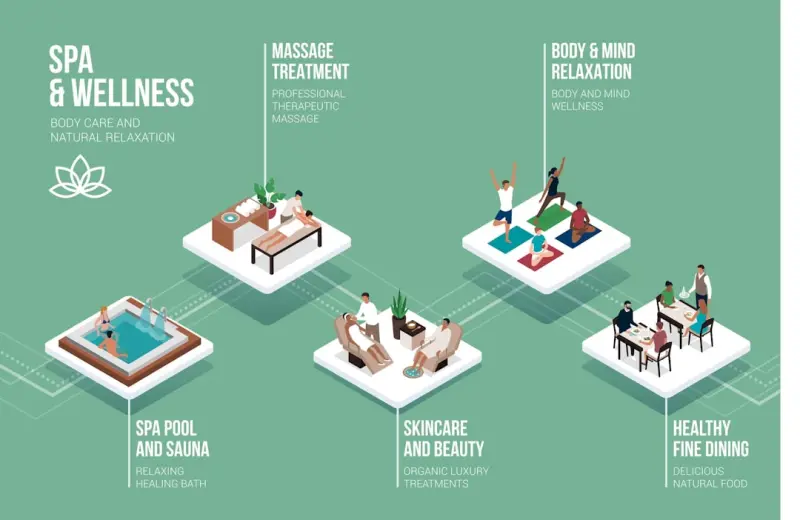
Reclaiming Wellness: A Digital Reset for Modern Health
Explore a fresh approach to health in our hyper‑connected world, covering digital stress, smart data use, voice‑assistant privacy, and green telehealth for ...Read More

Wearable Wisdom: Turning Everyday Data Into Lasting Health Habits
Discover practical ways to decode your wearable’s data, align your environment, and build micro‑rituals that turn raw numbers into lasting health habits....Read More

Surfing Google’s AI Surge: Rose DesRochers’ Insider Playbook for 2024
Rose DesRochers reveals how marketers can ride Google’s AI surge in 2024, offering actionable audits, audience hacks, and ethical tactics to stay ahead of the...Read More
0 Comments
Post Comment
You will need to Login or Register to comment on this post!