
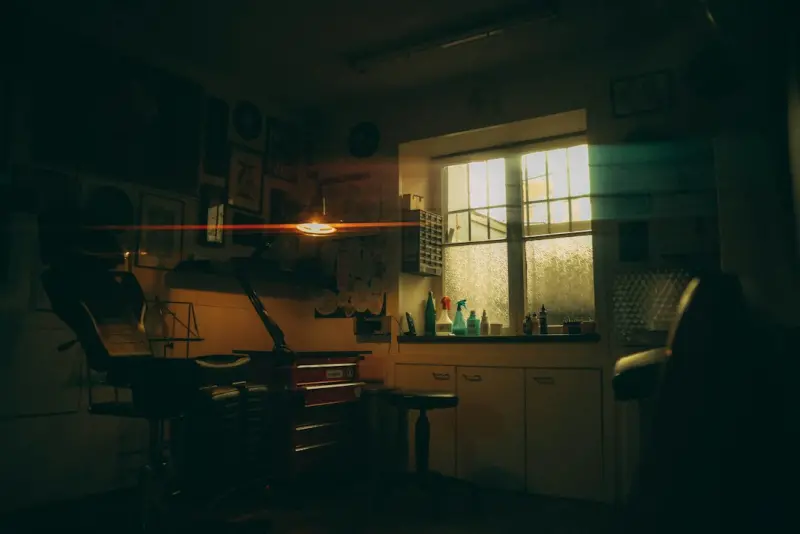
Imagine stepping into a room where the morning sun streams through the windows, instantly lifting your spirits and sharpening your focus. Light isn’t just a design garnish; it’s a powerful, invisible tool that shapes our mood, energy, and even our health. In this deep‑dive, I’ll share a step‑by‑step guide to turning every corner of your home into a light‑rich sanctuary, without needing a professional interior designer or a massive budget.
Why Light Matters More Than You Think
Our bodies are hard‑wired to respond to natural light. The circadian rhythm—the 24‑hour internal clock that regulates sleep, hormone release, and metabolism—relies heavily on daylight cues. When we bathe in sufficient morning light, cortisol spikes just enough to wake us up, while the evening’s soft glow signals melatonin production, preparing us for rest.
Beyond biology, light influences productivity. Studies show that workers in well‑lit spaces report higher satisfaction and lower eye strain. At home, the same principles apply: a bright kitchen can boost culinary creativity, while a softly lit reading nook invites deeper focus.
Mapping Your Home’s Light Zones
Before you start buying lamps or repainting walls, take a systematic inventory of your home’s natural light:
- East‑facing rooms: Receive gentle, cool morning light—perfect for coffee bars or yoga spaces.
- South‑facing rooms: Bathe in strong, warm light throughout the day—ideal for living rooms and home offices.
- West‑facing rooms: Capture the golden hour glow—great for dinner areas or artistic studios.
- North‑facing rooms: Offer soft, diffused light—excellent for galleries or meditation corners.
Sketch a simple floor plan and shade each area according to its exposure. This visual map will become your blueprint for targeted interventions.
Morning Rituals with Sunlight
Start each day with a light‑infused routine. Here are three low‑effort habits:
- Sun‑lit coffee: Position your coffee station near an east‑facing window. Sip your brew while the early rays awaken your senses.
- Window‑side stretch: A five‑minute stretch by the window opens your posture and lets light flood your muscles, enhancing flexibility.
- Reflective surfaces: Add a large mirror opposite the window to double the incoming light, instantly brightening the space.
These practices not only boost mood but also signal to your brain that it’s time to be alert—setting a positive tone for the entire day.
Evening Ambiance and the Circadian Rhythm
When the sun sets, you want a smooth transition to softer lighting. Here’s how to honor your body’s natural wind‑down:
- Warm‑tone bulbs: Swap cool‑white LEDs for amber or soft‑white bulbs in the evening. The warmer hue reduces blue‑light exposure, easing the shift to sleep.
- Dimmers and timers: Install dimmer switches or smart plugs that gradually lower brightness after sunset.
- Layered lighting: Combine ambient ceiling lights with task lamps and accent lighting to create depth without overwhelming glare.
These adjustments can shave minutes off the time it takes to feel sleepy, helping you drift off more naturally.
Practical Tweaks for Every Room
Now that you understand the science, let’s translate it into actionable changes for each major area of the home.
Living Room
Living rooms are the social hub, so a balanced light mix works best. Start with a large, light‑colored rug that reflects floor‑level light. Add floor lamps with adjustable heads to direct light where you need it—whether you’re reading, playing games, or chatting.
Kitchen
Cooking demands clear, bright illumination. Install under‑cabinet LED strips (choose a color temperature around 4000 K) to eliminate shadows on countertops. If you have a kitchen island near a window, keep the window unobstructed to let daylight assist during lunch prep.
Home Office
Productivity thrives on consistent, glare‑free light. Position your desk perpendicular to a south‑facing window to avoid direct glare on screens. Pair natural light with an adjustable desk lamp that mimics daylight (6500 K) for overcast days.
Bedroom
Sleep sanctuaries benefit from darkness, but you still need gentle illumination for nighttime routines. Consider a bedside lamp with a warm hue and a low‑lumens setting, or a motion‑sensor night light that only activates when needed.
Bathroom
For grooming, color‑accurate lighting is essential. Choose LED fixtures labeled “Daylight” (around 5000 K) to ensure makeup matches real‑world tones. If space allows, a frosted window or a skylight can flood the space with natural light, making mornings feel less rushed.
Tech‑Smart Solutions Without Overcomplicating
You don’t need a full‑blown smart‑home overhaul to reap the benefits of light optimization. Simple, budget‑friendly tech can make a big difference:
- Smart bulbs: Programs like “Sunrise” gradually increase brightness in the morning, simulating natural dawn.
- Light meters: A cheap handheld lux meter helps you measure illumination levels, ensuring each room meets its ideal range (e.g., 300‑500 lux for a home office).
- App‑based simulations: Even if you’re not a data scientist, you can draw inspiration from how synthetic data models predict outcomes. Use free online lighting simulators to visualize how different window treatments or bulb choices affect room brightness before you buy.
Think of your home lighting plan as a design sprint on the road—a rapid, iterative process where you test, observe, and refine. Start with one room, experiment for a week, then iterate based on how you feel.
Beyond Aesthetics: Light as a Wellness Tool
When you treat light as a health intervention, the payoff extends beyond aesthetics:
- Reduced eye strain: Proper ambient light lowers the contrast between screen and surroundings, easing visual fatigue.
- Improved mood: Exposure to bright light triggers serotonin release, a natural mood‑enhancer.
- Better sleep quality: Aligning evening lighting with your body’s melatonin cycle leads to deeper, more restorative sleep.
Integrating these wellness benefits into your home design creates a holistic environment that supports both work and leisure.
Seasonal Adjustments: Embracing the Changing Sun
Each season brings a different light profile. Rather than fighting nature, adapt your spaces:
- Winter: Maximize daylight by using sheer curtains and reflective surfaces. Add a few extra warm‑tone lamps to compensate for shorter days.
- Summer: Use light‑filtering blinds to diffuse harsh midday sun while preserving the view.
- Spring & Fall: These transitional periods are perfect for experimenting with layered lighting—combine natural light with soft accent lamps to create a balanced atmosphere.
Final Thoughts: Light as a Lifestyle Choice
Lighting isn’t a one‑size‑fits‑all solution; it’s a personal, evolving practice. By mapping your home’s natural light, establishing morning and evening rituals, and making strategic, low‑cost upgrades, you can transform ordinary rooms into vibrant, health‑supporting spaces. Remember, the goal isn’t just to illuminate—it's to curate an environment that nurtures your mind, body, and spirit.
Ready to start? Grab a notebook, sketch your light zones, and let the sunshine guide your next home makeover. The brighter side of living is just a few thoughtful tweaks away.

Margaret Thomson is a seasoned freelance writer specializing in the dynamic worlds of marketing and advertising. With a career deeply rooted in the marketing field, Margaret brings a wealth of practical experience and insightful knowledge to her writing.
Related Posts
Unlocking the Hidden Potential of Your Home's Nooks
Learn how to turn overlooked corners and tight spaces into purposeful micro‑zones—like reading n... Read More

Crafting a Signature Home Aroma: Seasonal Scent Strategies for Every Room
Learn to build a signature home aroma using seasonal scent swaps, natural ingredients, and simple DI... Read More
Unlock Hidden Comfort: Everyday Home Tweaks That Transform Your Space
Explore practical, low‑cost adjustments—from light and scent to smart tech—that instantly elev... Read More
Top Posts

The Quiet Power of Sensory Hygiene: Reclaiming Calm in an Overstimulated World
Learn practical sensory hygiene rituals—5‑5‑5 Reset, Digital Sunset, and Sensory Zoning—to combat overload, improve sleep, and enhance focus, all backed...Read More

Micro‑Influencer Communities: The Quiet Engine Driving B2B SaaS Growth
Micro‑influencer communities offer B2B SaaS firms a high‑trust, cost‑effective channel for lead generation. Learn how to identify, nurture, and scale thes...Read More

Mastering Google’s New AI Search: A Creator’s Playbook
Explore a step‑by‑step guide for creators to adapt to Google’s AI Search, from answer‑first content to semantic clustering and AI‑specific metrics....Read More

Google’s 2026 AI Wave: A Marketer’s Insider Perspective
Explore the 2026 Google AI wave with insider tactics, data strategies, and future‑focused tips that every marketer needs to stay ahead....Read More
0 Comments
Post Comment
You will need to Login or Register to comment on this post!