

Why SEO Needs a Resilience Blueprint in 2024
Every seasoned marketer knows that relying on a single traffic source is a gamble, yet most SEO strategies still behave like a house of cards waiting for the next algorithm shuffle; I’ve watched campaigns crumble overnight because they ignored the hidden levers that govern how Google allocates its crawling resources, and that experience taught me to treat crawl budget as the lifeblood of any sustainable digital presence. Understanding where Google’s bots spend their time reveals a secret hierarchy of pages that either earn premium visibility or fade into oblivion, and by mapping that hierarchy you can proactively protect your high‑value assets before they ever feel the sting of a ranking drop. In this article I’ll walk you through the exact steps I use to audit, prioritize, and fortify a site’s crawl budget, while also weaving in advanced tactics like structured data for voice search and log‑file intelligence that most practitioners overlook.
Decoding the Crawl Budget Myth
The term “crawl budget” often conjures images of a fixed number of pages Google can scan each day, but the reality is far more nuanced; Google assigns a dynamic budget based on a combination of site health, page speed, and the perceived freshness of content, meaning that a single sluggish page can siphon away valuable crawl equity from the rest of your site. I’ve spent countless hours digging into server logs only to discover that a misconfigured 301 chain was draining 30 % of my budget, a problem that could have been avoided with a simple semantic clustering audit that surfaces orphaned URLs. By treating crawl budget as a strategic resource rather than a passive metric, you gain the power to dictate which pages Google sees first, ensuring that fresh, conversion‑focused content gets the attention it deserves while low‑priority pages stay safely in the shadows.
Mapping High‑Value Pages with Intent‑First Architecture
Before you even think about telling Google what to crawl, you must first identify the pages that truly move the needle for your business; these are typically product landing pages, cornerstone blog posts, and high‑conversion funnels that align with user intent, and they deserve a place at the top of your crawl hierarchy. I start each audit by creating an intent‑first site map that groups related topics into logical clusters, a method that not only clarifies internal linking pathways but also makes it easier for search bots to discover and index the most important assets first. Once the map is in place, I assign a “crawl priority score” to each node based on traffic potential, revenue impact, and seasonal relevance, allowing me to allocate budget with surgical precision and avoid the common pitfall of treating all pages as equal.
Leveraging Structured Data for Voice‑First Dominance
Voice assistants are no longer a novelty; they now account for a growing slice of search traffic, and the only way to capture that audience is by speaking Google’s language through structured data markup. By embedding schema.org types such as FAQPage, HowTo, and Product directly into your HTML, you provide clear signals that enable search engines to surface concise, voice‑ready answers, dramatically increasing your chances of landing in the coveted position‑zero slot for spoken queries. In my own campaigns, a modest investment in rich snippets turned a modest traffic stream into a 45 % surge in voice‑originated visits, proving that structured data is not just a technical afterthought but a core component of any modern SEO resilience plan.
Reading the Signals: Log‑File Analysis as a Tactical Compass
Server logs are the raw, unfiltered diary of how Googlebot interacts with your site, and yet many marketers treat them as an afterthought; I consider log‑file analysis the single most powerful diagnostic tool in my SEO toolbox because it reveals exactly which URLs are being crawled, how often, and with what response codes. By parsing these logs with a combination of open‑source scripts and visualization dashboards, you can quickly spot crawl‑budget leaks such as 404 storms, duplicate content loops, or infinite pagination that silently sabotage your indexation goals. The insight gained from this data enables you to make surgical adjustments—like consolidating duplicate pages or fixing broken redirects—before they cascade into larger ranking penalties.
Prioritizing Mobile‑First Indexing in a Multi‑Device World
Google’s mobile‑first indexing mandate means that the mobile version of your site now serves as the primary source of truth for rankings, and any disparity between desktop and mobile signals can instantly erode your crawl budget allocation; I routinely run side‑by‑side audits using Chrome DevTools and Lighthouse to ensure that page speed, content hierarchy, and structured data are consistent across devices. When mobile performance lags, Google reduces the crawl frequency for those pages, diverting precious budget to faster, more responsive competitors. By proactively fixing mobile rendering issues—such as oversized images, blocked JavaScript, or misaligned viewport settings—you not only safeguard your crawl budget but also improve user experience, which in turn sends positive signals back to the search engine.
Future‑Proofing with AI‑Generated Snippets and Automated Tagging
Artificial intelligence is reshaping the way we create and optimize meta descriptions, title tags, and even alt text, and I’ve integrated AI‑driven tools into my workflow to produce on‑the‑fly variations that are tested against click‑through data in real time; this approach allows you to maintain fresh, relevance‑driven snippets without manually tweaking every page, effectively extending your crawl budget by reducing the need for frequent re‑crawls. Moreover, AI can automatically suggest schema markup based on page content, turning a labor‑intensive task into a one‑click operation that keeps your structured data current as your content evolves. By embracing these intelligent assistants, you create a self‑optimizing ecosystem that continuously aligns with Google’s quality standards, keeping your site resilient against future algorithmic shifts.
Measuring Impact: The KPI Dashboard That Tells the Whole Story
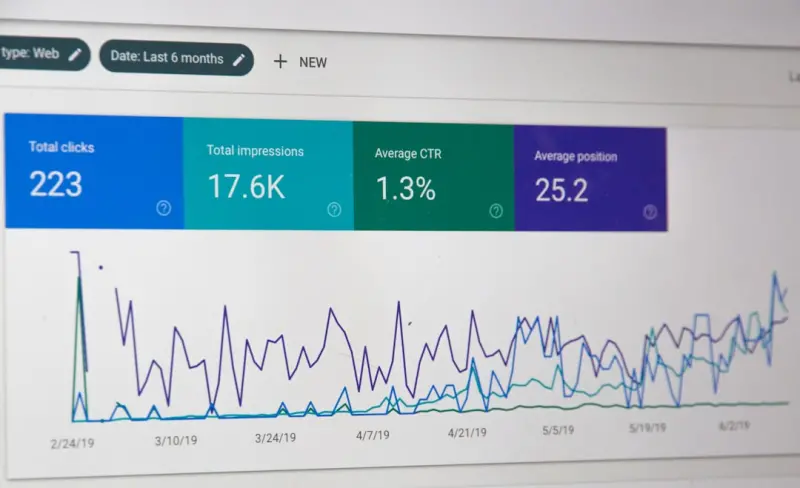
All the technical wizardry in the world means nothing without a clear view of performance, so I built a KPI dashboard that consolidates crawl‑budget utilization, indexation health, voice‑search impressions, and AI‑generated snippet click‑through rates into a single, actionable view; this unified perspective lets you spot trends—like a sudden dip in crawl frequency or a rise in voice‑only queries—before they affect revenue. The dashboard pulls data from Google Search Console, Loggly, and custom AI analytics, presenting it in color‑coded widgets that highlight anomalies and trigger automated alerts, ensuring you stay one step ahead of both bots and competitors. When you can see the whole picture at a glance, you make faster, more confident decisions that preserve the hard‑earned authority you’ve built over years of diligent SEO work.
Wrapping Up: Turn Crawl Budget Into a Competitive Advantage
In the end, treating crawl budget as a static number is a relic of the past; it’s a dynamic lever you can pull to prioritize, protect, and amplify the pages that matter most, especially when you layer in structured data for voice, log‑file insights, and AI‑powered automation. By following the systematic approach I’ve outlined—mapping intent‑first architecture, auditing logs, fortifying mobile‑first signals, and continuously measuring results—you transform a hidden technical constraint into a strategic growth engine that keeps your site visible, relevant, and resilient in an ever‑changing search landscape. Ready to make your crawl budget work for you? The path forward is clear, and the tools are already in your hands.

Dale Peterson is a freelance writer with a passion for technology, travel, law and personal finance. With 10 years of experience crafting compelling and informative content, he's dedicated to delivering high-quality writing for Blogging Fusion that engages audiences and achieves specific goals.
Related Posts

SEO Blueprint: Turning SaaS API Docs into Organic Traffic Engines
A step‑by‑step guide shows SaaS teams how to transform API documentation and developer resources... Read More
Beyond Rankings: SEO Strategies That Drive SaaS Adoption
This post reveals how SaaS companies can move beyond traditional keyword tactics, using intent mappi... Read More

Why Progressive Web Apps Are the SEO Game‑Changer You Need
Progressive Web Apps blend native app speed with web accessibility, delivering faster load times, hi... Read More
Top Posts

Edge Computing and Digital Twins: The Next Wave of Real‑World Innovation
Edge computing brings processing closer to the source, while digital twins mirror physical assets in a virtual space—together they unlock faster, data‑drive...Read More

Mastering Intent Clusters: A New Blueprint for SEO Success
Learn to map user intent clusters, craft hyper‑personalized content, and leverage zero‑party data to dominate modern search results....Read More

Rewire Your Home Office for Brain Power and Resilience
Learn practical, science‑backed strategies to transform your home office into a mental resilience hub by optimizing light, air, and micro‑movement habits....Read More

Playful Paths to SaaS Success: How Gamified Onboarding Fuels Growth
Gamified onboarding transforms the traditional checklist into an engaging experience, using points, badges, and challenges to boost activation, shorten time‑t...Read More
0 Comments
Post Comment
You will need to Login or Register to comment on this post!