
Turning Journeys Into Living Storybooks
When I step onto a new street, the world feels like a fresh page waiting to be filled with ink, color, and melody; I no longer see travel as a checklist of sights, but as an evolving narrative that I can hold, replay, and share. The secret lies in treating every moment—whether it’s the hiss of a steam train, the clatter of a bustling market, or the quiet hush of a sunrise over a hillside—as a chapter that deserves its own sensory fingerprint. By embracing this mindset, I transform ordinary trips into a living storybook that grows richer with each return home.
The Power of an Audio Diary
Recording an audio diary on the go allows me to capture the raw emotion of a place the moment it strikes, preserving the cadence of local dialects, the rhythm of street musicians, and the subtle rustle of leaves in a distant forest. I use a compact recorder that slides into my pocket, and I make it a ritual to narrate a few sentences before I sleep, describing the day’s most vivid details before the memory fades. Over time, these snippets stitch together a soundscape that can transport me back to the exact feeling of that sunrise on a mountain trail.
Building a Portable Library of Sounds
Beyond spontaneous recordings, I curate a portable library of ambient sounds that become my travel soundtrack, ranging from the soft patter of rain on a cobbled alley to the distant call to prayer echoing across a golden dome. I organize these clips by mood and location, tagging each with a brief note that explains why the sound resonated with me, turning a simple audio file into a narrative anchor. When I later compile a travel journal, these sound bites serve as audible bookmarks, letting readers hear the place instead of merely reading about it.
Connecting Experiences with Personal Knowledge Graphs
To weave my audio, visual, and written memories into a coherent whole, I employ a personal knowledge graph that maps connections between people, places, flavors, and sounds I encounter on the road. Each node represents a distinct element—a street vendor’s smile, a mountain vista, a recipe for a local stew—and the edges illustrate how they intersect, such as the shared spice in a market dish and the aroma captured in my audio diary. This structured web not only helps me recall details with startling clarity but also reveals hidden patterns, like how certain melodies reappear across cultures, enriching my storytelling arsenal.
Crafting a Visual Scrapbook with Sensory Triggers
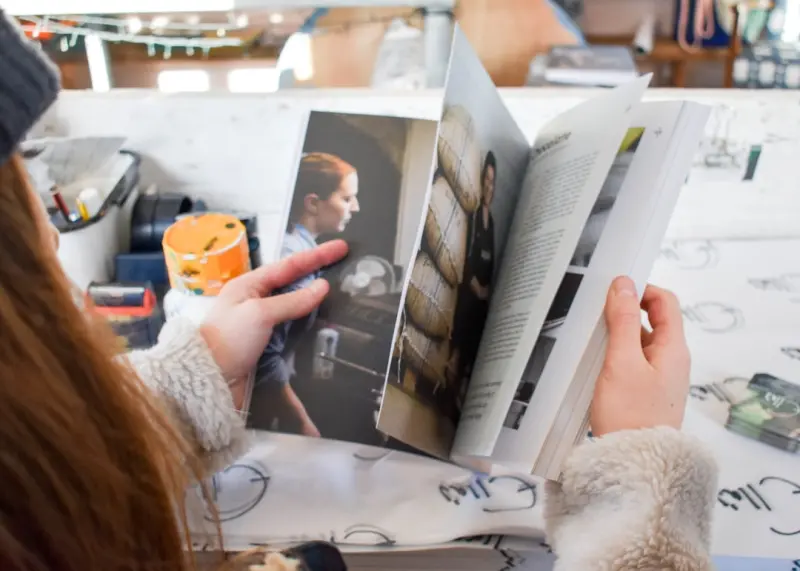
When I return home, I translate my digital archives into a tactile scrapbook that combines printed photographs, dried petals, and handwritten notes, each paired with a QR code that links directly to the corresponding audio clip in my library. The act of physically turning pages while hearing the recorded sounds creates a multisensory experience that deepens my emotional connection to the journey. I also embed small pockets for souvenirs—like a ticket stub or a pressed leaf—so that every element reinforces the story of that specific moment.
Cooking the Journey: A Personal Cookbook
Food is a universal storyteller, and I honor each destination by documenting its signature flavors in a personal cookbook that blends recipes, cultural context, and sensory descriptions. I write down the exact spices used, the cooking techniques observed, and the ambient sounds of the kitchen—sizzling pans, clinking glasses, lively conversation—that accompanied the meal. By pairing each recipe with a short audio excerpt of the market or the chef’s laughter, I create a culinary narrative that lets future diners taste and hear the place simultaneously.
Sharing the Storybook Through Micro‑Publishing
Rather than waiting for a book deal, I share chapters of my living storybook as micro‑posts on a dedicated newsletter, each edition featuring a single sensory vignette—one sound, one image, one recipe—paired with a concise reflection. This format respects modern attention spans while still delivering depth, and it encourages readers to experience travel through a curated, immersive lens. I also link back to my low‑tech wanderlust philosophy, inviting them to disconnect and fully savor each sensory detail.
Preserving Memories for Future Adventures
All the collected audio, visual, and culinary fragments become a reusable reservoir that I dip into when planning my next trip, allowing past experiences to inform new routes, accommodations, and activities. By consulting my knowledge graph, I can instantly recall which neighborhoods offered the best sunrise sounds or which markets yielded the most fragrant spices, turning nostalgia into practical insight. This cyclical process ensures that each adventure not only adds new chapters but also refines the narrative framework for those that follow.
Inviting Readers to Write Their Own Storybooks
If you’ve ever felt that travel moments slip away like sand through your fingers, I challenge you to start building your own living storybook today—record a few seconds of ambient sound, jot a quick note, and connect it all in a simple graph or scrapbook. The journey from fleeting impression to lasting narrative is only a handful of intentional steps away, and the reward is a richer, more resonant memory bank that you can revisit and share for years to come. Embrace the art of sensory storytelling, and let every trip become a chapter you can truly relive.

Margaret Thomson is a seasoned freelance writer specializing in the dynamic worlds of marketing and advertising. With a career deeply rooted in the marketing field, Margaret brings a wealth of practical experience and insightful knowledge to her writing.
Related Posts
Passport Stamps as Negotiation Currency: Turning Cultural Curiosity into B2B Advantage
Travel isn’t just leisure; it’s a strategic asset. This post shows how immersive trips provide c... Read More
When the Road Becomes a Lab: Turning Travel Into Product Innovation
Explore how travel can serve as a real‑world laboratory for SaaS product innovation, with actionab... Read More
How Curated Travel Journals Turn Trips into Personal Growth Playbooks
A guide to turning travel experiences into a living curriculum using curated journals, actionable in... Read More
Top Posts
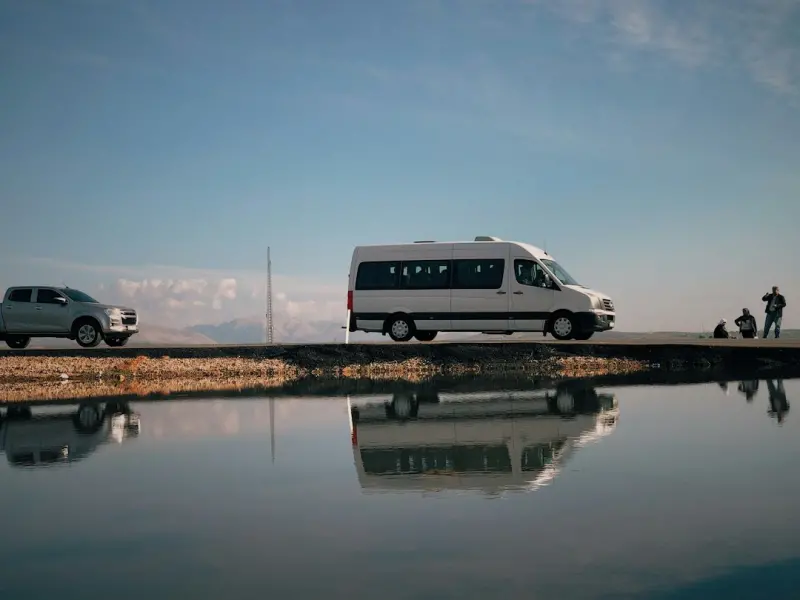
Travel as a Mobile Innovation Lab: Turning Detours into Business Insights
Learn to treat travel as a mobile laboratory: design mini‑experiments, capture data on the go, and translate unexpected detours into powerful business insight...Read More
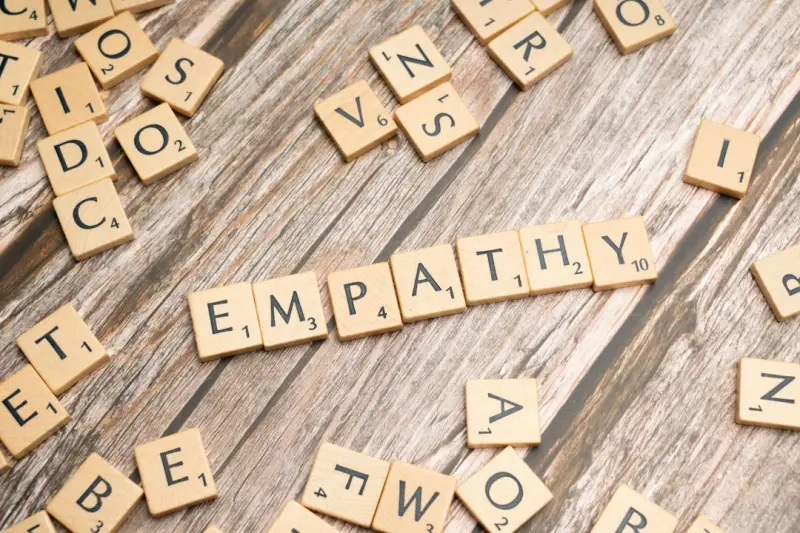
Designing Empathy‑Driven B2B Campaigns: A Human‑Centric Playbook
A step‑by‑step guide shows how B2B marketers can map buyer emotions, co‑create content, and embed transparency to turn prospects into long‑term partners...Read More
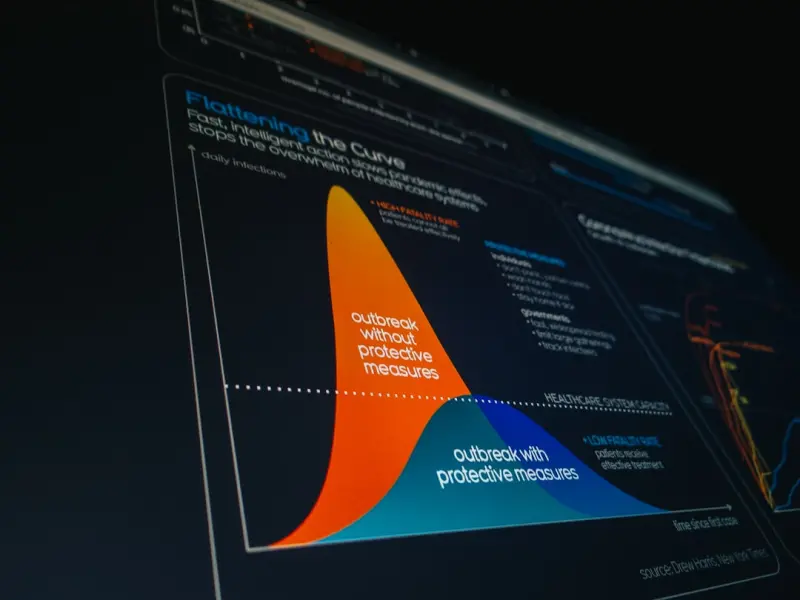
AI‑Powered Knowledge Graphs: The Unsung Hero Behind Smarter SaaS Experiences
A deep dive into AI‑powered knowledge graphs reveals how they enrich SaaS platforms with contextual intelligence, unlocking personalized experiences, smarter ...Read More

Micro‑Influencer Communities: The Quiet Engine Driving B2B SaaS Growth
Micro‑influencer communities offer B2B SaaS firms a high‑trust, cost‑effective channel for lead generation. Learn how to identify, nurture, and scale thes...Read More
0 Comments
Post Comment
You will need to Login or Register to comment on this post!