
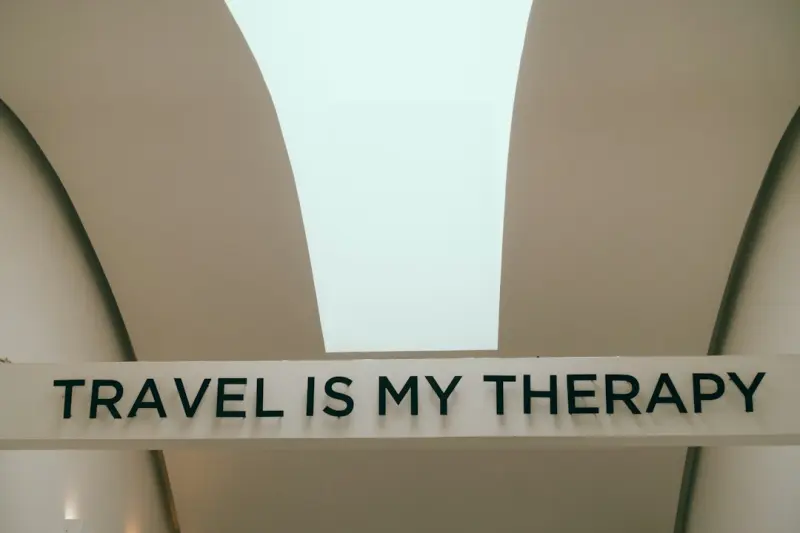
Travel isn’t just moving from point A to point B; it’s a full‑body conversation with the world around you. I’ve spent the last decade hopping between bustling markets, silent mountain villages, and neon‑lit cityscapes, and each trip taught me that the most memorable moments happen when my senses lead the way, not my itinerary. In this post I’m sharing a step‑by‑step framework for turning any trip—whether a weekend getaway or a month‑long expedition—into a sensory‑first experience that fuels curiosity, creativity, and genuine connection.
Why a Sensory‑First Mindset Matters
Most travel guides focus on “must‑see” landmarks or “top‑rated” restaurants. While those are useful, they often reduce a destination to a checklist. A sensory‑first mindset flips that script. Instead of asking, “What do I need to see?” you ask, “What do I want to feel, hear, taste, and smell?” This shift does three things:
- Deepens presence. When you tune into the hum of a street market or the scent of pine in a forest, you’re automatically more grounded in the moment.
- Boosts memory retention. Studies show that memories tied to multiple senses are recalled more vividly and for longer periods.
- Ignites creativity. New textures, sounds, and flavors can spark ideas that stay dormant in the familiar confines of home.
Think of your senses as a personal GPS that points you toward hidden gems your itinerary might miss.
Step 1: Curate a Sensory Wishlist Before You Go
Before you book a flight, spend 15 minutes drafting a “sensory wishlist.” Break it down into the five senses:
- Sight: Look for a specific type of architecture, a color palette, or a natural phenomenon (e.g., the sunrise over a rice terrace).
- Sound: Identify local music, street performers, or even the ambient noise of a bustling café.
- Smell: Research markets, bakeries, or natural aromas like eucalyptus forests or sea breezes.
- Taste: Pinpoint a dish you’ve never tried, a street‑food stall, or a cooking class.
- Touch: Plan for tactile experiences—whether it’s the cool stone of an ancient temple or the grainy sand of a remote beach.
Write these items in a notebook or a note‑taking app. The act of externalizing the sensory goals primes your brain to notice them on the ground.
Step 2: Pack Light, Pack Smart—The Sensory Toolkit
Traveling light isn’t just about fitting everything into a carry‑on; it’s about bringing the tools that amplify your senses.
- Miniature journal. A pocket‑size notebook lets you sketch, doodle, or jot down sensory impressions the moment they happen.
- Compact recorder. Modern smartphones double as high‑quality audio recorders. Capture the rhythm of a night market or the chorus of frogs at dusk.
- Reusable spice kit. A tiny container of salt, pepper, or a favorite spice can turn a bland hotel meal into a flavor experiment.
- Travel‑size essential oil roll‑on. A few drops of lavender or citrus can anchor you after long flights or train rides.
- Foldable fabric bag. Perfect for gathering leaves, shells, or fabric scraps that you might want to keep as tactile souvenirs.
Each item is lightweight, yet it adds layers to the sensory richness of your journey.
Step 3: Design Micro‑Moments of Presence
In the age of constant connectivity, it’s easy to let the screen dominate. Borrowing from the concept of purposeful unplugging, schedule short “sensory windows” where you deliberately disconnect from devices and immerse yourself in the environment. These can be as brief as five minutes:
- Morning scent scan. Before you even step out of your accommodation, inhale the air. Is it salty? smoky? floral? Record the impression.
- Mid‑day sound pause. Sit at a café, close your eyes, and listen to the surrounding chatter, the clatter of dishes, the distant traffic. Notice the rhythm.
- Evening texture walk. Walk barefoot on sand, grass, or cobblestones. Feel the ground shift under each step.
These micro‑moments anchor you in the present and prevent the travel experience from becoming a blur of snapshots.
Step 4: Leverage a Portable Productivity System
Even if you’re not a digital nomad, maintaining a light touch of productivity helps you capture and organize sensory data without getting bogged down. My favorite approach is a hybrid of analog and digital tools that I call the “sensory sprint.” Here’s how it works:
- Capture quickly. Use your phone’s voice memo or a handwritten note to record a burst of sensory input.
- Tag on the go. Assign simple tags like #sight, #taste, #sound within the note. This mirrors the tagging system in a portable productivity system you might already use for work.
- Batch process. At the end of each day, allocate 15 minutes to organize the notes into a central repository—your travel journal or a cloud‑based note app.
- Reflect weekly. Review the compiled entries, looking for patterns or unexpected connections. You might discover a recurring scent that ties together disparate locations.
This lightweight workflow ensures that your sensory observations become actionable insights, not just fleeting thoughts.
Step 5: Engage With Locals Through the Senses
One of the richest ways to deepen your sensory experience is by inviting locals to share their perspective. Here are three tactics:
- Ask for a “smell tour.” In many cultures, markets are organized by aroma. Ask a vendor to guide you through the stall sections based on scent.
- Participate in a cooking demo. Rather than just eating, learn the technique and ingredients. The act of chopping, stirring, and tasting heightens tactile and gustatory awareness.
- Attend a local music session. Whether it’s a street busker or a community drum circle, observe how the rhythms influence the crowd’s movement and energy.
These interactions create a two‑way sensory exchange that goes beyond passive observation.
Step 6: Turn Sensory Data Into Storytelling Gold
After the trip, you have a treasure trove of sensory notes. Transform them into stories that captivate readers, teammates, or friends. Start with a vivid sensory hook—something that immediately transports the audience to the scene. For example:
“The first bite of the mango was a burst of sunshine, its honey‑sweet flesh dripping onto my thumb as the market’s chorus of clinking copper pots swelled around me.”
From there, weave in the context, the emotions, and the insights you gained. This technique not only makes your travel narratives more engaging but also reinforces the memories in your own mind.
Step 7: Sustainable Sensory Travel
Being sensory‑focused doesn’t have to clash with responsible travel. In fact, the heightened awareness often leads to more mindful choices:
- Support sensory‑rich local businesses. Choose eateries that source ingredients locally, artisans who use traditional methods, and tours that prioritize authentic experiences.
- Leave no trace. When you’re attuned to the environment’s sounds and smells, you’re more likely to notice the impact of litter or noise pollution and act accordingly.
- Reduce sensory overload. Resist the urge to cram every attraction into a single day. Give each sense time to rest and reset, which also reduces carbon footprints from excessive travel.
By aligning your sensory pursuits with sustainable practices, you become a steward of both culture and environment.
Step 8: Build a Post‑Trip Sensory Archive
Finally, create a lasting repository for your sensory experiences. Choose a format that works for you—digital, analog, or a hybrid.
- Digital scrapbook. Platforms like Notion or Evernote let you embed photos, audio clips, and typed reflections side by side.
- Physical journal. Keep a leather‑bound notebook with pockets for pressed flowers, ticket stubs, or fabric swatches.
- Multimedia montage. Compile short video clips and sound bites into a “sensory reel” you can revisit whenever you need inspiration.
Regularly revisiting this archive can spark new ideas for future trips, work projects, or creative endeavors.
Bringing It All Together
Travel is an invitation to rewrite the story your senses tell about the world. By consciously curating, capturing, and reflecting on sensory experiences, you transform ordinary journeys into extraordinary narratives. Whether you’re a solo explorer, a remote worker, or a weekend adventurer, a sensory‑first routine empowers you to travel deeper, remember longer, and return home with a richer palette of impressions.
So next time you pack your bag, remember: it’s not just about the clothes you bring, but the senses you intend to awaken. Embrace the sounds of a distant market, the aroma of a hidden garden, the texture of an ancient wall, and let those sensations guide you to places you never imagined you could reach.

In the world of freelance writing, where creativity and adaptability are paramount, Michelle Fisher stands out as a dedicated and versatile professional. With a passion for crafting compelling narratives and a keen eye for detail, Michelle has established herself as a trusted voice.
Related Posts

Sensory Journaling: Turning Everyday Wanderings into a Living Archive
Explore the art of sensory journaling to turn each journey into a rich, multi‑dimensional archive.... Read More

Chasing Sunrises: A Journey Through the World’s Most Stunning Dawn Destinations
Join a sunrise seeker as they explore iconic dawn locations, from Angkor Wat to the Grand Canyon, an... Read More

Finding Balance on the Road: A Digital Nomad’s Guide to Wellness
A practical guide for digital nomads seeking to harmonize work, travel, and wellbeing through mindfu... Read More
Top Posts

Zero‑Party Data: Turning Customer Intent into Marketing Gold
Learn why zero‑party data is the new gold standard for marketers, how to collect it through conversational experiences, and five actionable steps to start lev...Read More
Zero‑Party Data: The B2B Marketer’s Competitive Edge
Zero‑party data—information customers willingly share—offers B2B SaaS marketers a privacy‑compliant way to personalize outreach, accelerate sales cycles...Read More
Savoring the Road: A Culinary Cartography for Modern Travelers
Explore the art of culinary cartography: a guide to recording, mapping, and sharing the flavors you encounter on the road, turning each bite into a lasting trav...Read More
Designing a Home Productivity Hub for Busy Lives
Learn how to create micro‑zones, optimize lighting, and integrate affordable ergonomics to turn any room into a focused, stress‑free productivity hub withou...Read More
0 Comments
Post Comment
You will need to Login or Register to comment on this post!