
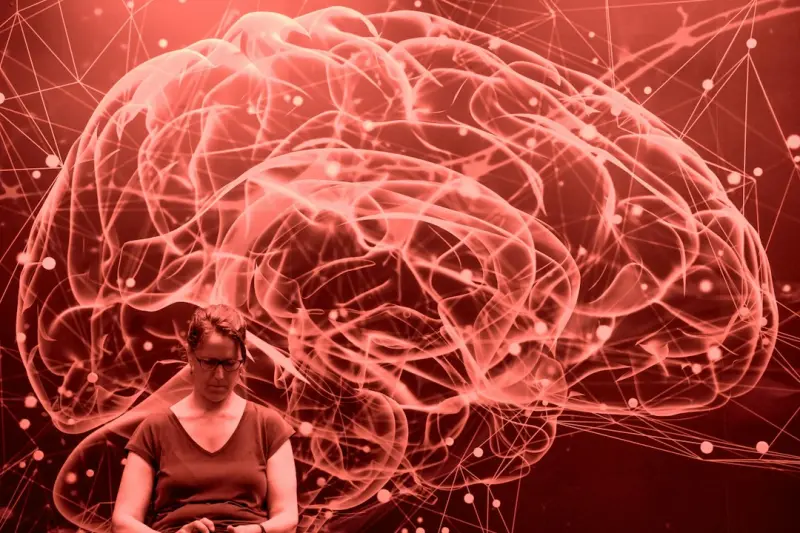
When the office dissolves into a living room, the line between work and personal life blurs. For many professionals, the biggest silent sabotage isn’t a missed deadline or a glitchy video call—it’s what’s on their plate. While we obsess over Wi‑Fi speeds and ergonomic chairs, the food we fuel ourselves with quietly dictates our focus, mood, and long‑term resilience. This piece dives deep into evidence‑backed nutrition tactics that empower remote workers to stay sharp, sustain energy, and protect their health without turning every meal into a culinary marathon.
Why Nutrition Takes Center Stage in Remote Work
Remote work eliminates the daily commute, but it also removes the natural structure many of us relied on—like a lunch break at a cafeteria or a coffee run with colleagues. Without those built‑in pauses, we often default to snacking, irregular meals, or convenience foods high in sugar and refined carbs. These choices can trigger spikes and crashes in blood glucose, leading to brain fog, irritability, and reduced productivity. Moreover, research shows that chronic poor eating patterns increase inflammation, which is linked to anxiety, depression, and even long‑term cognitive decline.
In short, the quality of your diet is a foundational pillar of mental stamina, just as a stable internet connection is to your workflow.
The Core Principles of Brain‑Friendly Eating
Rather than chasing the latest fad diet, focus on five sustainable principles that support neural health and energy stability:
- Balanced Macronutrients: Pair proteins, healthy fats, and complex carbs at every meal to slow glucose absorption and maintain steady energy.
- Micronutrient Density: Prioritize foods rich in B‑vitamins, magnesium, zinc, and antioxidants—nutrients essential for neurotransmitter synthesis and oxidative protection.
- Hydration: Even mild dehydration can impair attention and short‑term memory. Aim for at least 2‑3 liters of water daily, adjusting for activity and climate.
- Timing & Consistency: Regular meal intervals (every 3‑5 hours) prevent extreme hunger, reduce cravings, and support circadian rhythm alignment.
- Mindful Consumption: Slow down, savor each bite, and notice hunger cues. This reduces overeating and improves digestion.
Superfoods That Double as Performance Boosters
While no single food will magically transform your output, several nutrients have been repeatedly shown to enhance cognitive function:
- Omega‑3 Fatty Acids: Found in fatty fish (salmon, sardines), chia seeds, and walnuts, omega‑3s build neuronal membranes and support synaptic plasticity.
- Blueberries: Their anthocyanin content fights oxidative stress and improves memory recall.
- Dark Leafy Greens: Spinach, kale, and Swiss chard supply folate and lutein, which are linked to slower cognitive aging.
- Fermented Foods: Yogurt, kefir, kimchi, and tempeh nurture gut microbiota, a key player in the gut‑brain axis influencing mood and focus.
- Whole Grains: Oats, quinoa, and farro provide sustained glucose release and B‑vitamins essential for energy metabolism.
Meal Planning for the Remote Professional
Time is a premium asset when you’re juggling back‑to‑back Zoom calls and project deadlines. Here’s a practical, low‑effort framework to integrate the principles above into your weekly routine:
- Batch Cook Core Proteins: Cook a large portion of chicken breast, tofu, or lentils on Sunday. Store in portioned containers for quick assembly.
- Prep Veggie Packs: Wash, chop, and portion a mix of raw and roasted vegetables. Keep them handy for salads, stir‑fries, or snack trays.
- Assemble “Power Bowls”: Combine a base of whole grains, a protein source, and at least two veg varieties. Top with a drizzle of olive oil and a sprinkle of seeds.
- Snack Smart: Replace candy bars with a handful of mixed nuts, a piece of fruit, or Greek yogurt with a dash of cinnamon.
- Hydration Stations: Keep a reusable bottle on your desk and set hourly reminders to sip.
This approach reduces decision fatigue, cuts down on grocery trips, and ensures you have nutrient‑dense options within arm’s reach.
Leveraging Technology Without Getting Distracted
While it might seem counterintuitive to bring tech into a conversation about unplugging, smart tools can actually reinforce healthy eating habits. Wearable devices now track not only steps but also glucose trends, sleep quality, and even hydration levels. Pairing these insights with AI‑driven nutrition platforms can generate personalized meal suggestions that adapt to your workload intensity.
For those curious about how emerging technologies shape health data, consider exploring Synthetic Data. This breakthrough allows researchers to model nutritional outcomes without compromising real patient information, accelerating the development of targeted diet recommendations.
Combatting the “Snack Loop” in a Home Office
When your kitchen is just a few steps away, the temptation to graze can become a habit. Break the loop with these tricks:
- Designated Eating Zones: Physically separate your workspace from your dining area. This spatial cue signals to your brain that work time ≠ eating time.
- Visual Cues: Place a small plate or bowl only when you intend to eat. When it’s out of sight, you’re less likely to reach for snacks.
- Scheduled “Micro‑Meal” Breaks: Allocate 5‑minute windows for a protein‑rich snack like a boiled egg or a cheese stick. This satisfies hunger without derailing focus.
When Coffee Isn’t Enough: Alternatives for Sustained Energy
Caffeine can be a useful short‑term booster, but overreliance leads to tolerance and the infamous afternoon crash. Instead, incorporate these natural energizers:
- Matcha Green Tea: Provides a smoother caffeine release plus L‑theanine, which promotes calm alertness.
- Adaptogenic Herbs: Rhodiola rosea and ashwagandha have been shown to improve mental stamina under stress.
- Protein‑Rich Snacks: A small serving of cottage cheese or a protein bar stabilizes blood sugar and curbs cravings.
Mindful Eating Practices for the Digital Age
Multitasking while eating—checking emails, scrolling feeds, or attending virtual meetings—diminishes satiety signals, leading to overeating. Adopt a mindful routine:
- Turn off notifications and close all tabs before you start your meal.
- Take three deep breaths, focusing on the aroma and texture of your food.
- Chew each bite thoroughly—aim for 20‑30 chews per mouthful.
- Pause halfway through the plate, assess fullness, and decide if you truly need more.
These steps not only improve digestion but also enhance your relationship with food, making you more attuned to genuine hunger cues.
Integrating Movement with Nutrition
Nutrition and physical activity are two sides of the same coin. Even brief bouts of movement—like a 3‑minute stretch or a quick walk around the block—can amplify the benefits of a balanced diet by improving insulin sensitivity and circulation. If you’re looking for a structured approach that blends these elements, you might find the concepts behind Micro‑Activity Bursts insightful, even if you apply them differently in your day.
Preparing for the Future: Personalized Nutrition and AI
Imagine a world where your meal plan dynamically adjusts based on real‑time stress levels, sleep quality, and work demands. This isn’t sci‑fi; it’s an emerging reality powered by edge computing. Devices at the Edge AI layer can process biometric data locally, delivering instant feedback without relying on cloud latency. As this technology matures, we’ll see hyper‑personalized nutrition dashboards that recommend a specific macro split for the afternoon’s sprint meeting or suggest a magnesium‑rich snack when your heart rate variability indicates fatigue.
Putting It All Together: A Sample Day
Below is a practical illustration of how these strategies can flow seamlessly throughout a typical remote workday.
- 07:30 – Hydration & Light Movement: Start with 300 ml of water, followed by a 5‑minute gentle stretch.
- 08:00 – Breakfast Power Bowl: Oats topped with blueberries, chia seeds, and a spoonful of almond butter.
- 09:30 – Focus Snack: Greek yogurt with a drizzle of honey and a sprinkle of walnuts.
- 12:00 – Lunch Break (Designated Eating Zone): Quinoa salad with grilled salmon, spinach, cherry tomatoes, and olive‑oil vinaigrette.
- 15:00 – Micro‑Meal & Movement: A sliced apple with a handful of pistachios, followed by a 3‑minute walk.
- 17:30 – Evening Wind‑Down: Herbal tea (matcha or chamomile) and a piece of dark chocolate (70%+ cacao) for antioxidants.
- 22:00 – Pre‑Sleep Routine: A cup of warm milk (or plant‑based alternative) with a pinch of turmeric, supporting recovery.
By aligning nutrition with intentional breaks and hydration, you create a rhythm that sustains mental clarity and reduces the likelihood of burnout.
Final Thoughts: Your Nutrition Blueprint Is a Competitive Edge
In the high‑stakes arena of remote work, the ability to maintain peak cognitive performance is a differentiator. While tech stacks and workflow tools are essential, your body’s fuel source is the ultimate engine. By embracing balanced meals, strategic timing, mindful consumption, and emerging tech insights, you not only safeguard your health but also sharpen your professional edge.
Start small—swap one sugary snack for a handful of nuts, set a hydration reminder, or batch‑cook a protein source this weekend. The compound effect of these incremental changes will compound over weeks, delivering clearer focus, steadier energy, and a resilient mind ready to tackle any virtual challenge.

David Moore is a freelance writer specializing in two dynamic and ever-evolving fields: gambling and the tech industry. With a keen eye for detail and a knack for unraveling complex topics, David delivers insightful and engaging content that keeps readers informed and entertained.
Related Posts

Nature Soundscapes: The Quiet Productivity Boost for Remote Professionals
Natural soundscapes reduce stress hormones, enhance attention, and pair perfectly with micro‑movem... Read More
Micro‑Movements and Air Quality: A Remote Worker’s Health Playbook
A practical guide showing remote workers how tiny stretches, better indoor air, smart tech, and simp... Read More

The Silent Power of Posture: Boosting Remote Team Resilience
A deep dive into why everyday posture matters for remote workers, practical micro‑adjustments, and... Read More
Top Posts
From Keywords to Intent Clusters: A B2B SaaS SEO Playbook
Learn to shift from outdated keyword lists to intent‑driven authority hubs, leverage structured data, and prepare for AI‑generated SERPs to boost organic tr...Read More

Crafting a Personal Travel Archive: From Moments to Memories
Discover the art of creating a personal travel archive—capturing sensory details, curating meaningful fragments, and connecting them into stories that turn ev...Read More
How AI Became My Everyday Creative Co‑Pilot
Explore the transformative partnership between AI and creators, revealing practical ways to supercharge ideas, workflows, and ethical practices in everyday proj...Read More

Beyond Automation: Building an AI‑First Culture That Drives Sustainable Innovation
Discover a practical framework for turning AI from a buzzword into a sustainable, human‑centric growth engine, complete with governance steps, measurable KPIs...Read More
0 Comments
Post Comment
You will need to Login or Register to comment on this post!