

The Attention Economy Has Rewired the SEO Playbook
When users scroll through a feed and a 15‑second clip stops them in their tracks, the brand that can turn that pause into a click is instantly ahead of the competition; this new rhythm of consumption forces marketers to rethink traditional keyword‑heavy pages in favor of kinetic storytelling that speaks directly to the brain’s dopamine pathways. Short‑form video isn’t just a fad—it’s a magnetic force that aligns with the way modern browsers, social platforms, and even voice assistants surface content, meaning that the same piece of video can appear on a search results page, a recommendation carousel, and a messaging thread without any extra effort from the creator. The challenge, then, is to craft these bite‑size moments so they satisfy both the human craving for quick entertainment and the algorithmic appetite for relevance, relevance that is measured in watch time, completion rate, and the subtle signals of user intent that search engines have begun to prioritize.
Algorithms Have Grown a Video‑First Bias
Google’s core index now crawls and ranks video assets alongside text, and platforms like TikTok, Instagram Reels, and YouTube Shorts have built ranking engines that reward high engagement loops, making the distinction between “search” and “social discovery” increasingly porous; this convergence means that a well‑optimized clip can surface on a traditional SERP, in a “People also ask” box, or as a featured snippet without the user ever leaving the search page. The technical side of this shift involves structured data markup for video, optimized thumbnail selection, and the strategic placement of keyword‑rich titles and descriptions that echo the intent signals of the surrounding content ecosystem. By aligning the video’s metadata with the same semantic clusters that power text‑based SEO, marketers can ensure that their short‑form assets are not hidden in a silo but instead become entry points that funnel users deeper into the brand funnel.
Keyword Research Meets Storyboarding
Before filming the first second, the most successful teams conduct the same keyword research they would for a blog post, but they translate those insights into visual hooks, captions, and on‑screen text that echo the exact phrasing users are typing into search boxes; this approach transforms a list of search terms into a storyboard where each frame is purpose‑built to answer a micro‑question or spark curiosity. Crafting captions that include primary and secondary keywords—while still reading naturally—allows the video to be indexed for both spoken and textual relevance, a dual‑signal that search crawlers love. Moreover, embedding timestamps, closed captions, and transcript files not only improves accessibility but also provides search bots with a textual map of the video’s content, dramatically increasing the chances of appearing in voice‑search results and in the emerging “video carousel” feature on mobile SERPs.
From Long‑Form Assets to Snackable Clips
Brands that already own webinars, whitepapers, or pillar blog posts can multiply their SEO value by dissecting those assets into a series of punchy, 30‑second videos that each target a specific keyword cluster, effectively turning one piece of research into dozens of indexed touchpoints; this repurposing strategy not only maximizes the ROI of the original content creation effort but also satisfies the algorithm’s appetite for fresh, regularly updated signals. The process begins with identifying high‑performing sections of the long‑form piece, then scripting concise narratives that capture the essence of the insight while embedding the target phrase in the opening line and overlay text. By uploading these clips to multiple platforms with platform‑specific optimizations—such as hashtags on TikTok, alt text on Instagram, and schema on YouTube—marketers create a web of interlinked video assets that reinforce each other’s authority and drive cross‑platform traffic back to the core brand site.
Empowering Your Audience to Become Video Creators
One of the fastest ways to scale short‑form video SEO is to invite customers and fans to submit their own clips, turning authentic user‑generated content into a searchable treasure trove that Google treats as highly credible because it originates outside the brand’s own domain; this collaborative model also deepens community bonds and amplifies word‑of‑mouth in a format that modern browsers love. By launching a branded hashtag challenge or a “show us how you use our product” campaign, marketers can harvest a flood of fresh footage that can be curated, captioned, and uploaded with strategic keywords, effectively crowd‑sourcing a massive library of SEO‑ready assets. For inspiration on how to nurture brand loyalty through community participation, see building brand advocates, which outlines tactics that translate seamlessly into a short‑form video strategy.
Measuring Success Beyond Views
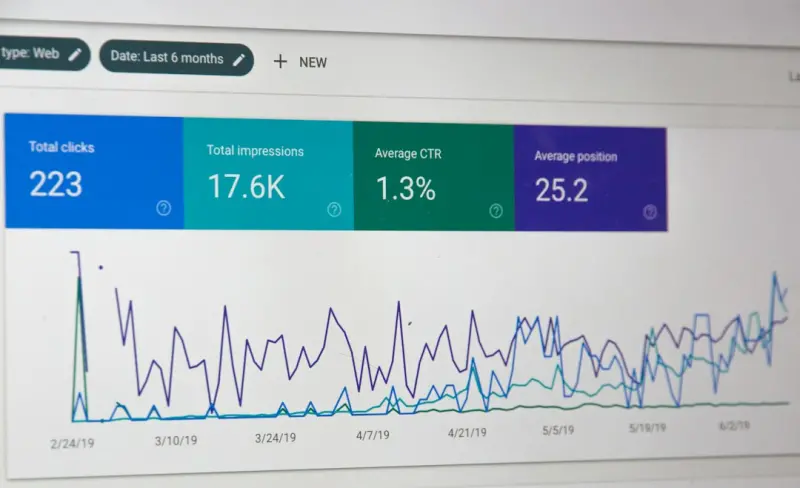
While raw view counts provide a surface‑level gauge of reach, true video SEO performance hinges on deeper engagement metrics such as average watch time, audience retention curves, click‑through rates from video thumbnails, and the downstream traffic that lands on the brand’s website; these signals collectively inform search algorithms about the relevance and usefulness of the content. Marketers should set up a unified dashboard that pulls data from platform analytics, Google Search Console, and third‑party video SEO tools, allowing them to correlate spikes in organic search impressions with specific video releases and to iterate on thumbnail design, caption phrasing, and posting cadence accordingly. By treating each short‑form clip as a testable SEO experiment, teams can refine their keyword‑to‑visual mapping over time, ensuring that the next wave of videos climbs even higher in the SERP rankings.
Short‑Form Video as a Gateway to Google Discover
Google Discover has evolved from a news‑centric feed into a personalized visual stream where short videos often outrank static articles, making it a prime channel for brands seeking to capture attention without relying on a search query; the key is to align video content with the interests and browsing habits that Discover’s machine‑learning engine predicts for each user. By embedding clear, compelling titles, high‑resolution thumbnails, and concise descriptions that echo trending topics, marketers can increase the likelihood that their clips appear in the Discover carousel alongside related lifestyle and product stories. For a deeper dive into optimizing for this channel, the guide Google Discover tactics offers a step‑by‑step roadmap that complements the short‑form video workflow.
Future‑Ready: Shoppable and AR‑Enhanced Clips
As e‑commerce platforms integrate native shopping features into TikTok, Instagram, and YouTube, short‑form videos are poised to become the next frontier of conversion‑focused content, where a single swipe or tap can move a viewer from inspiration to purchase without ever leaving the feed; embedding product tags, QR codes, and AR overlays transforms passive viewers into active shoppers, creating a seamless loop that search engines recognize as high‑intent behavior. Early adopters are already seeing a measurable lift in organic traffic because search algorithms reward content that demonstrates clear pathways to conversion, signaling that the video satisfies both informational and transactional search intents. Planning for this shift involves collaborating with product teams to ensure inventory data feeds into the video metadata, testing AR experiences that let users virtually try on products, and continually optimizing the shopping tags for the most searched‑for product descriptors.
Actionable Checklist for Dominating Short‑Form Video SEO
To translate the concepts above into day‑to‑day practice, start by conducting a keyword audit specifically for video intent, then storyboard three to five bite‑size scripts per week that each target a distinct phrase; record with high‑contrast lighting, add on‑screen captions that mirror the spoken keywords, and upload the clips to at least two platforms with platform‑tailored metadata, including structured data markup for Google. Next, launch a user‑generated content campaign that encourages fans to tag the brand, curate the best submissions, and republish them with optimized titles and descriptions; finally, set up a cross‑platform analytics dashboard that tracks watch time, click‑throughs, and referral traffic, adjusting thumbnail images and caption copy based on the data trends you observe. By treating short‑form video as an SEO asset rather than a vanity metric, brands can unlock a new wave of organic visibility that fuels growth and deepens audience connection.

Related Posts

Why Micro‑Influencer Communities Are the Secret Sauce for B2B SaaS Growth
Micro‑influencer communities offer B2B SaaS firms a scalable, trust‑based channel for acquiring ... Read More

When Data Meets Feelings: Neuromarketing Tactics That Transform B2B Digital Campaigns
Learn to harness storytelling, micro‑emotion triggers, and sensory language to make B2B digital ca... Read More

Beyond the Click: Building Conversational Experiences in Digital Marketing
A conversation‑first approach reshapes digital marketing, focusing on real‑time relevance, conte... Read More
Top Posts

Why Edge AI Is the Next Game‑Changer for B2B SaaS
Edge AI brings inference to the source, cutting latency, saving bandwidth, and enhancing data privacy. This post shows why B2B SaaS should adopt edge AI, offers...Read More

Embracing Forest Bathing: A Modern Path to Natural Healing
Explore the science behind forest bathing, learn simple ways to bring nature into your home, and see how brief green breaks can transform stress into serenity....Read More

Omnichannel Orchestration: The Silent Engine Driving Modern B2B Growth
Omnichannel orchestration unites data, AI decision engines, and multiple channels into a seamless buyer journey, boosting lead quality, ROI, and revenue for B2B...Read More
Beyond the Snippet: Harnessing SERP Real Estate for B2B SaaS Growth
This post reveals a step‑by‑step strategy for B2B SaaS companies to claim premium SERP real estate—featured snippets, People Also Ask boxes, knowledge pan...Read More
0 Comments
Post Comment
You will need to Login or Register to comment on this post!