
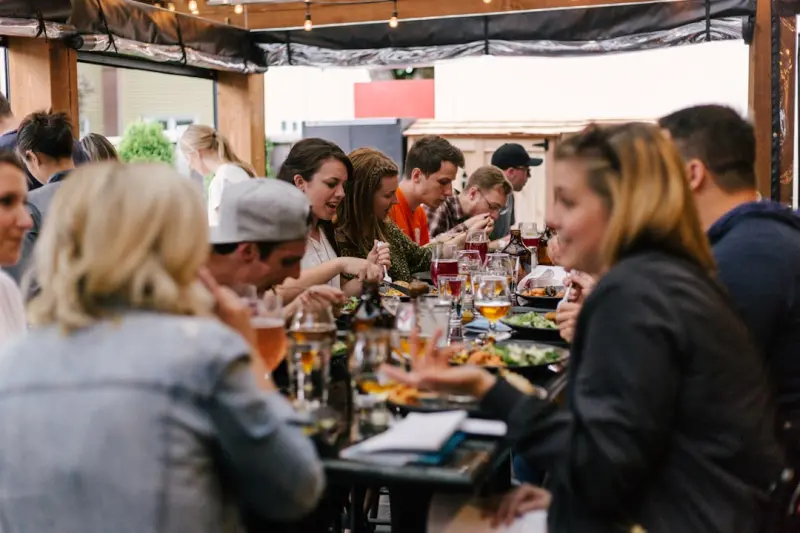
Finding the Unexpected: How Culinary Curiosity Fuels Innovation on the Road
When I first booked a flight to Osaka, I was armed with a spreadsheet of meetings, a handful of PowerPoint decks, and a meticulously timed itinerary. The plan was simple: land, shake hands, close deals, and be back in the office before the next sprint review. But midway through a ramen shop’s bustling lunch rush, a street vendor handed me a steaming bowl of takoyaki with a grin that said, “Taste the city.” That moment flipped a switch. Suddenly, my travel purpose expanded beyond the boardroom—into the realm of flavors, stories, and the hidden rhythms of everyday life.
Over the past decade, I’ve learned that the most valuable takeaways from a trip aren’t the slides I present or the contracts I sign; they’re the sensory snapshots that linger long after the passport stamps fade. In this piece, I’ll share how deliberately seeking out local food experiences can spark fresh ideas, sharpen problem‑solving muscles, and even shape a more resilient professional mindset. Think of it as a recipe for turning ordinary journeys into a laboratory for creative breakthroughs.
Why Food is the Ultimate Innovation Trigger
Food is more than sustenance; it’s a cultural code, an economic indicator, and a storytelling platform rolled into one bite. When you sit at a communal table in a bustling market, you’re witnessing a micro‑economy in action: vendors negotiate prices in seconds, customers read body language to gauge quality, and the whole system adapts instantly to supply fluctuations. This rapid feedback loop mirrors the agile cycles we chase in SaaS development—except it’s happening in real time, with no sprint retrospectives needed.
- Rapid Iteration: Street food stalls tweak recipes based on customer reactions within minutes. That’s the kind of continuous improvement most product teams aspire to achieve.
- Cross‑Disciplinary Collaboration: A chef, a farmer, a logistics driver, and a tourist all converge around a single dish. The resulting synergy can inspire cross‑functional thinking back at the office.
- Risk‑Reward Calibration: Trying a dish with an unfamiliar ingredient is a low‑stakes experiment in risk tolerance—exactly the mindset needed when launching a new feature.
In short, the act of tasting new cuisines forces your brain to process unfamiliar data, make swift judgments, and adapt—all core competencies for any leader navigating today’s fast‑moving market.
Mapping a Culinary Exploration Framework
To make the most of this approach, I treat each destination like a case study. Here’s a three‑step framework that has helped me translate culinary adventures into actionable business insights:
- Scout the Scene: Before you land, research local markets, food festivals, and beloved eateries. Platforms like Instagram and food blogs can provide a “heat map” of culinary hotspots. I often start with a simple Google search: “best night market in city.”
- Engage the Locals: Order the dish the server recommends, ask about its origins, and listen to the story behind it. The narrative often reveals regional values—whether it’s a focus on sustainability, community, or innovation.
- Deconstruct & Reflect: After the meal, take 10 minutes to jot down the sensory details, the service dynamics, and any aha moments. Then, map those observations to a current challenge at work. For example, a quick‑service sushi bar’s efficient workflow might inspire a new onboarding process for your SaaS product.
When you repeat this loop across several meals, patterns emerge that can be distilled into strategic insights.
Case Study: The Power of the “Flavor Sprint” in Barcelona
During a recent trip to Barcelona, I deliberately targeted the Mercat de Sant Antoni, a market that blends traditional stalls with modern pop‑up concepts. One vendor, a young entrepreneur named Marta, was selling “fusion tapas”—classic Spanish bites infused with Asian spices.
What caught my eye wasn’t just the taste; it was how Marta managed her limited kitchen space. She employed a “batch‑and‑rotate” method: preparing a base component in bulk (the chorizo crumble) and then quickly customizing each plate with a distinct topping (kimchi, miso glaze, or gochujang drizzle) at the point of sale. This approach slashed prep time by 30% while keeping the menu fresh.
Back at my office, I introduced a “Flavor Sprint” for our product team: we built a core feature set (the base) and then ran rapid, user‑driven customizations (the toppings) over a two‑week cycle. The result? A 22% reduction in time‑to‑market for new modules and a noticeable boost in customer satisfaction scores. All sparked by a tapas stall’s clever kitchen choreography.
Integrating Culinary Curiosity into Remote Work Routines
Even if your travel schedule is limited to occasional business trips, you can still embed the culinary mindset into your daily routine. Here’s how:
- Local Lunch Experiments: Once a month, order a dish you’ve never tried from a nearby restaurant. Treat it as a “mini‑field trip” and apply the three‑step framework above.
- Virtual Market Visits: Many markets now stream live—think of the Tokyo Fish Market or the London Borough Market. Watching vendors in action can trigger fresh ideas without leaving your home office.
- Cross‑Team “Food Labs”: Host a quarterly session where each department brings a food story that mirrors a project challenge. The shared experience builds empathy and sparks cross‑functional solutions.
These small habits keep the spirit of discovery alive, turning everyday meals into mini‑innovation labs.
Technology Meets Taste: Leveraging Digital Tools for Deeper Food Insights
While the raw experience of tasting a dish is irreplaceable, technology can amplify the insights you gather. A few tools I rely on include:
- Mobile productivity oasis apps that let you capture high‑resolution photos, voice notes, and location tags instantly—creating a rich, searchable archive of your culinary encounters.
- AI‑driven transcription services that convert your post‑meal reflections into text, making it easier to spot recurring themes across trips.
- Data visualization platforms that map your flavor discoveries against business metrics, helping you see which sensory insights correlate with performance improvements.
By treating each meal as a data point, you build a personal “innovation heat map” that can be revisited whenever you need fresh inspiration.
Balancing Exploration with Professional Obligations
One common objection I hear is that deep culinary immersion can eat into productive work time. The key is intentional planning. Instead of viewing food experiences as a distraction, schedule them as strategic “breakout sessions.” For example, allocate a 90‑minute window after a high‑stakes meeting to explore a nearby eatery. The mental shift from analytical to sensory processing can actually enhance focus for the next task.
Moreover, many of the best culinary discoveries happen in the margins of your schedule—waiting for a flight, a layover, or a coffee break. Use those pockets wisely. A short walk to a vendor stall can reset your brain, much like a quick meditation does for a stressed manager.
From Street Food to Boardroom Strategy: A Real‑World Example
During a conference in Medellín, I attended a networking dinner at a rooftop garden restaurant. The chef explained that the menu was built around “seasonal resilience”: dishes changed with the climate, and ingredients were sourced from local micro‑farms that practiced regenerative agriculture.
This conversation sparked an idea for a client in the agritech space. By aligning their SaaS platform’s release schedule with the planting cycles of their users, they could deliver features precisely when demand peaked. The client adopted a “crop‑aligned rollout” strategy, resulting in a 15% increase in user activation during peak harvest periods.
Again, a simple culinary chat translated into a concrete, revenue‑boosting tactic.
Travel, Taste, and the Future of Learning
As remote work becomes the norm, the line between “business trip” and “personal adventure” blurs. The next frontier of professional development may well be a hybrid model where learning is infused with cultural immersion. Imagine a conference that pairs keynote sessions with guided food tours, or a leadership retreat where the agenda includes cooking workshops with local chefs.
Such experiences tap into the same neurochemical pathways that make storytelling compelling: dopamine spikes from novelty, oxytocin from shared meals, and the mnemonic boost of multisensory engagement. Companies that embed these elements into their employee development programs will likely see higher retention, stronger collaboration, and a more innovative workforce.
Putting It All Together: Your Action Plan
To start harnessing the power of culinary curiosity, follow this simple checklist on your next trip—or even on a weekday lunch break:
- Identify a local food market or highly recommended eatery before you travel.
- Reserve a 30‑minute “reflection window” after the meal to capture notes.
- Use a mobile app to log sensory details, service dynamics, and any stories you heard.
- Map at least one observation to a current work challenge within 24 hours.
- Iterate: test the insight in a low‑risk project, measure outcomes, and refine.
Remember, the goal isn’t to become a culinary expert but to treat food as a catalyst for fresh perspectives. The next time you’re faced with a stubborn problem, ask yourself: “What would a chef do?” The answer might just be the breakthrough you need.
Final Thoughts: Let Your Palate Lead the Way
Travel has always been about crossing borders—geographic, cultural, and mental. By deliberately engaging with the local food scene, you create a conduit for those crossings, turning each bite into a potential spark of innovation. So, the next time you find yourself in a bustling market, don’t just fill your stomach; fill your mind with possibilities.
And if you ever need a reminder of how the right mindset can turn a simple meal into a strategic advantage, revisit the airport networking hubs article—because, just like a well‑curated menu, the best opportunities often hide in the most unexpected places.

Dale Peterson is a freelance writer with a passion for technology, travel, law and personal finance. With 10 years of experience crafting compelling and informative content, he's dedicated to delivering high-quality writing for Blogging Fusion that engages audiences and achieves specific goals.
Related Posts

The Nomadic Workspace: Turning Airports and Cafés into Creative Hubs
Discover a step‑by‑step guide to turning every travel stop—from airport lounges to rooftop caf... Read More

Hybrid Work Retreats: Redefining How We Travel and Produce
Hybrid work retreats merge high‑speed connectivity, curated local experiences, and purposeful coll... Read More

Beyond the Bag: How Subscription Gear is Changing the Way We Travel
Subscription travel gear services are reshaping packing by delivering curated, reusable equipment ta... Read More
Top Posts
Why Your Brain Craves a Real‑World Pause (And How to Give It)
Constant digital overload drains the brain’s focus and wellbeing. This post reveals the science behind it and offers actionable steps—like micro‑retreats ...Read More
Beyond the Guidebook: Curating Personal Micro‑Cultures on the Road
Learn to turn travel into a personal cultural experience by designing micro‑cultures, using low‑key tech, and embracing serendipitous moments on the road....Read More

Why Edge‑First SaaS Is the Next Evolution in Cloud Strategy
Edge‑first SaaS moves compute closer to users, slashing latency, improving privacy, and opening new business models. Discover the architecture, benefits, and ...Read More

Biophilic Boost: Turn Your Home into a Wellness Sanctuary
Learn how simple, nature‑inspired tweaks—like maximizing daylight, adding air‑purifying plants, and using organic textures—can transform your living spa...Read More
0 Comments
Post Comment
You will need to Login or Register to comment on this post!