
The Problem with Cookie‑Cutter Itineraries
When I first set foot in a new city, I used to cling to the glossy, one‑size‑fits‑all guidebook routes, believing they were the shortcut to authenticity. What I quickly discovered was that these pre‑packaged paths often skim the surface, delivering a sanitized snapshot while the real pulse of a place hides in the alleys, the chatter of a neighborhood café, and the rhythm of daily life. By following the crowd, I was missing the chance to forge a personal connection that turns a trip into something unforgettable.
Travel, at its core, is a conversation between you and the environment, not a lecture you sit through. The moment you surrender your curiosity to a timetable, you hand over the narrative to strangers and lose the agency to write your own story. I learned that the most vivid memories come not from ticking off landmarks, but from the spontaneous moments that happen when you stray from the map and let the city speak to you.
That realization sparked a shift in my mindset: instead of seeking “must‑see” attractions, I began to hunt for the subtle threads that weave a place’s unique tapestry. It’s about listening to the cadence of street musicians, tasting the aroma drifting from a hidden bakery, and feeling the texture of the cobblestones beneath your feet. This approach transforms travel from a checklist into a living, breathing experience.
Designing Your Own Micro‑Culture on the Road
To cultivate a personal micro‑culture, I start by identifying a theme that resonates with my current mood—whether it’s the art of slow coffee brewing, the rhythm of street dance, or the language of local markets. I then map out neighborhoods that embody that vibe, deliberately avoiding the tourist magnets that dominate every itinerary. This intentional focus allows me to dive deeper, discovering the stories that mainstream travel guides often overlook.
One technique I swear by is the “five‑sense audit.” I ask myself what I want to see, hear, smell, taste, and touch in a particular district, then seek out venues that fulfill those senses. In Kyoto, for instance, I followed the scent of incense to a tiny tea house where monks whispered ancient chants, and the gentle clatter of ceramic cups became my soundtrack for an afternoon of reflection. By aligning my itinerary with sensory goals, I create a framework that feels both adventurous and purposeful.
Another powerful habit is to engage with locals on their own terms. I skip the polished tour desk and instead wander into community centers, neighborhood parks, or even a laundromat where residents gather after work. A quick conversation about their favorite street food or a local festival can open doors to events that aren’t advertised online, turning an ordinary stroll into an invitation to a private celebration.
Tools That Whisper, Not Shout
Modern travel doesn’t have to mean drowning in notifications and algorithm‑driven suggestions. I rely on subtle tech that acts as a quiet guide, nudging me toward hidden gems without dictating every step. ambient computing devices, for example, can detect your proximity to points of interest and deliver a discreet vibration or a soft chime, prompting you to look up and explore.
These whispering tools complement the analog practice of carrying a simple notebook where I jot down fleeting ideas—like a mural I passed by or a phrase in a foreign language that caught my ear. By blending low‑tech reflection with low‑key digital cues, I maintain a balance that keeps the journey feeling organic rather than orchestrated by an app.
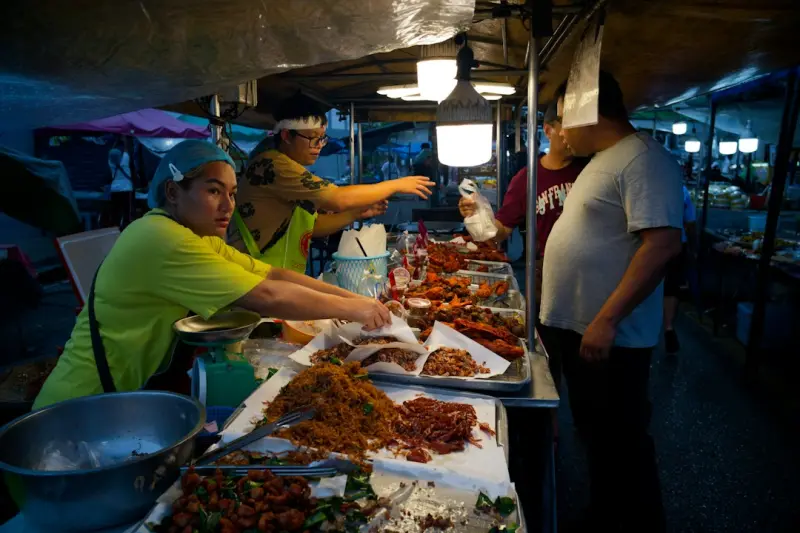
When it comes to food, I let my palate be the compass. I recently followed a taste trails philosophy, letting each meal guide me deeper into a city’s culinary heritage. Instead of ordering the familiar dish tourists rave about, I asked chefs for their “family secret” or the dish they grew up with, uncovering flavors that tell a story of migration, seasonality, and personal memory. This gastronomic curiosity often leads to spontaneous invitations to home‑cooked meals, turning strangers into friends.
Flexibility remains the cornerstone of my travel philosophy. I set loose anchors—like a museum opening time or a ferry departure—and leave the hours in between open for serendipity. This approach encourages me to pause at an unexpected street performance, join a local yoga class in a park, or simply sit on a bench and watch the world glide by. Those unplanned interludes are where the deepest connections form, and they’re the moments that later become chapters in my personal travel alchemy.
Finally, I treat every journey as a canvas for storytelling, but I avoid forcing a narrative. I capture moments with a few photographs, a handful of sketch notes, and a short audio diary, letting the raw material speak for itself. When I return home, I weave these fragments into a living storybook that evolves with each new trip, reminding me that travel is not a static memory but an ever‑growing anthology of experiences.
So, the next time you plan a getaway, ask yourself: what micro‑culture do you want to nurture, and how will you let the destination shape it? By shifting from the role of a passive tourist to that of an active cultural curator, you unlock a richer, more personal adventure that stays with you long after the plane lands.

Robert Mathews is a professional content marketer and freelancer for many SEO agencies. In his spare time he likes to play video games, get outdoors and enjoy time with his family and friends .
Related Posts

Rediscovering the Joy of Slow Rail Travel
Step aboard historic trains, savor regional flavors, and forge lasting connections as we uncover why... Read More
The Hidden Power of Travel‑Triggered Curiosity for Business Innovation
A travel‑driven curiosity mindset transforms unexpected moments on the road into actionable produc... Read More
Nomadic Networking: Turning Transit Spaces into Business Accelerators
Learn how to leverage transit spaces and digital tools for nomadic networking, turning every layover... Read More
Top Posts
AI‑Powered Scenario Planning: Mapping Uncertainty for Strategic Advantage
AI scenario planning transforms raw data into actionable futures, enabling B2B SaaS leaders to anticipate market shifts, manage risk, and make faster, more info...Read More

When AI Becomes Your Personal Travel Agent: Crafting Hyper‑Personalized Journeys
Explore how artificial intelligence can act as a collaborative travel partner, shaping dynamic, health‑focused itineraries that blend data‑driven precision ...Read More

Turning Google’s API Suite into a Competitive Edge for B2B SaaS
Learn how leveraging Google’s extensive API ecosystem— from Maps and Vertex AI to Identity and BigQuery—can accelerate development, enhance security, and ...Read More
Flavor Trails: Mapping Local Cuisine on Your Travels
Explore the concept of flavor trails—using food maps to guide travel, deepen cultural immersion, and turn every meal into a meaningful waypoint on your journe...Read More
0 Comments
Post Comment
You will need to Login or Register to comment on this post!