
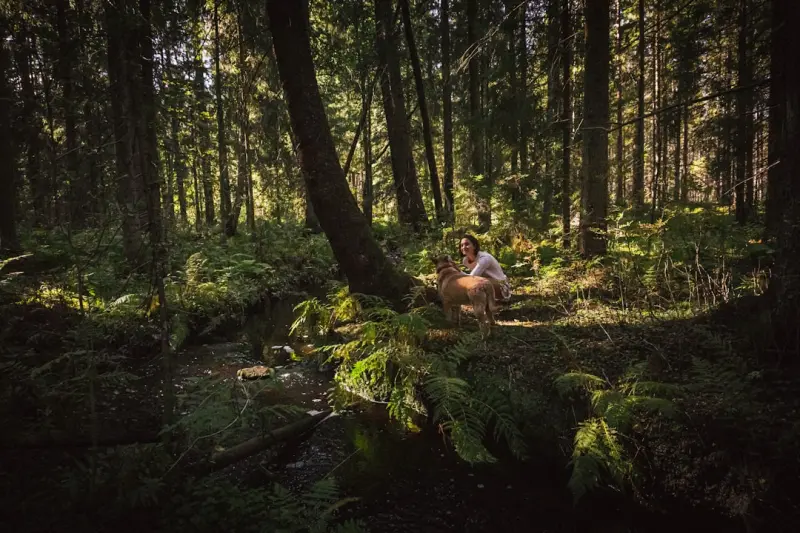
Why We Need a New Kind of Break
When the line between “home” and “office” blurs, the traditional lunch hour or coffee run loses its meaning. Remote workers often find themselves glued to a screen for eight, ten, sometimes even twelve hours straight, chasing deadlines while the world outside their windows continues unabated. The result? A subtle, creeping fatigue that isn’t just physical—our brains start to feel the weight of constant, low‑level stress, and our bodies respond with shallow breathing, restless nights, and a muted immune system.
Most companies have responded with digital detox strategies that encourage logging off after hours or designating “no‑meeting” days. Those are valuable, but they often feel like a band‑aid applied after the damage has already begun. What if we could prevent that wear‑and‑tear by weaving restorative moments into the very fabric of a remote worker’s day?
The answer lies not in another app or policy, but in an age‑old practice that modern science is finally validating: forest bathing, or shinrin‑yoku. It’s a deliberate, mindful immersion in nature that goes far beyond a casual stroll in the park. When done correctly, it can reset our nervous system, sharpen cognition, and boost overall wellbeing—exactly the kind of health buffer remote teams need.
What Is Forest Bathing?
Forest bathing originated in Japan in the 1980s, championed by a former government minister who noticed that people who spent time among trees were healthier, happier, and more productive. The practice isn’t about hiking or achieving a fitness milestone; it’s about engaging all five senses in a slow, intentional way. You listen to the rustle of leaves, feel the bark’s texture, inhale the complex aromatic compounds emitted by trees (known as phytoncides), and simply observe without judgment.
For the remote professional, the concept can be adapted to any green space—your backyard, a city park, or even a well‑curated indoor garden. The key is to schedule short, regular sessions that are treated with the same importance as a client call or a sprint review. A 15‑minute “nature pause” can be more restorative than a 30‑minute coffee break in a noisy café.
Scientific Backing: The Data Behind the Calm
Research from universities around the globe demonstrates that forest bathing triggers a cascade of physiological benefits:
- Reduced cortisol: Studies show a 12‑15% drop in the stress hormone after a 20‑minute walk in a forested area.
- Lower blood pressure and heart rate: The parasympathetic nervous system kicks in, promoting relaxation without inducing drowsiness.
- Enhanced immune function: Phytoncides increase the activity of natural killer (NK) cells, the body’s frontline defenders against viruses.
- Improved focus and creativity: A brief immersion in nature can restore attention‑restoration capacity, leading to sharper problem‑solving abilities.
These findings are not just academic; they translate directly to workplace outcomes. Teams that incorporate nature‑based breaks report higher morale, fewer sick days, and a measurable uptick in collaborative innovation.
Integrating Nature Into Remote Routines
Implementing forest bathing doesn’t require a corporate retreat in the woods. Here’s a practical framework for remote teams:
- Map green spaces: Create a shared spreadsheet where team members list nearby parks, community gardens, or tree‑lined streets.
- Schedule micro‑nature sprints: Allocate three 15‑minute windows per day—mid‑morning, lunch, and mid‑afternoon—where employees step outside and engage in a sensory walk.
- Set intention: Before each session, ask participants to decide on a sensory focus (e.g., “listen for bird calls” or “notice the texture of bark”).
- Reflect briefly: After returning, spend two minutes journaling or sharing in a dedicated Slack channel about any shifts in mood or clarity.
- Leverage tech wisely: While the goal is to disconnect from screens, a simple biofeedback wearable can provide real‑time data on heart‑rate variability, confirming the physiological impact of the break.
This structure makes nature a non‑negotiable element of the workday, comparable to a stand‑up meeting. The routine becomes a cultural norm, not an optional perk.
Tools and Tech That Complement Natural Breaks
Technology can actually amplify the benefits of forest bathing when used thoughtfully. Consider these options:
- Ambient sound apps: If a green space isn’t immediately accessible, high‑quality recordings of forest soundscapes can simulate the auditory component.
- Air quality monitors: Devices that track indoor CO₂ levels can remind users when it’s time to step outside for fresh air, a crucial element of the practice.
- Nutrition insights: Pairing nature breaks with AI‑driven meal recommendations ensures that the body receives the nutrients needed to sustain the lowered stress response.
- Virtual reality (VR) nature experiences: While not a substitute for real foliage, a high‑fidelity VR forest can provide an interim solution for employees in dense urban settings.
The goal is to keep the focus on the experience, not on data collection. Use these tools as gentle nudges rather than surveillance mechanisms.
Case Study: A Remote Team’s Transformation
Acme Solutions, a SaaS provider with a fully distributed workforce, piloted a forest‑bath initiative across its 120‑person engineering team. Over a six‑week period, they:
- Implemented three daily 15‑minute nature pauses.
- Provided each employee with a simple wearable that measured heart‑rate variability (HRV).
- Created a “Nature Wins” channel for sharing observations and photos.
The results were compelling:
- Average HRV increased by 9%, indicating reduced stress.
- Self‑reported focus scores rose 22% on a weekly survey.
- Bug resolution time improved by 13%, suggesting a direct link between mental clarity and productivity.
- Employee turnover dropped by 4% in the subsequent quarter, reflecting higher job satisfaction.
What stood out was not just the quantitative data, but the cultural shift. Team members began using nature metaphors in brainstorming sessions (“let’s let this idea grow like a sapling”), and the shared “Nature Wins” channel became a hub for informal mentorship and camaraderie.
Getting Started: A 30‑Day Forest Break Plan
For leaders ready to embed forest bathing into their remote health strategy, here’s a step‑by‑step roadmap:
- Week 1 – Awareness: Host a virtual kickoff explaining the science and benefits. Share resources, including a curated list of local green spaces.
- Week 2 – Trial: Encourage volunteers to log their first nature pause and share immediate observations. Offer a small incentive (e.g., a reusable water bottle).
- Week 3 – Integration: Formalize the three daily slots in shared calendars. Introduce the optional biofeedback wearable for those interested.
- Week 4 – Optimization: Gather feedback via a short survey. Adjust timing or provide alternative indoor nature experiences for those with limited access.
- Beyond 30 Days – Institutionalization: Make nature pauses part of the onboarding checklist for new hires. Celebrate milestones (e.g., “1000 collective minutes in the woods”).
Remember, the objective isn’t to create a rigid regimen but to foster a habit that employees can adapt to their personal contexts. The simplicity of stepping outside for a breath of fresh air, combined with a mindful focus, can become the most powerful health hack in a remote‑first world.
Conclusion: Nature as the Ultimate Productivity Ally
In an era where we obsess over algorithms, dashboards, and digital efficiencies, the most profound performance boost may come from the oldest source of renewal on the planet—trees. Forest bathing offers a scientifically backed, low‑cost, and highly scalable method to counteract the mental fatigue endemic to remote work. By weaving intentional nature pauses into daily routines, leaders can cultivate healthier, sharper, and more resilient teams.
So the next time you feel that mid‑day slump, don’t reach for another coffee. Step outside, breathe in the forest’s subtle perfume, and let the natural rhythm of the woods reboot your mind. Your body, brain, and bottom line will thank you.

David Moore is a freelance writer specializing in two dynamic and ever-evolving fields: gambling and the tech industry. With a keen eye for detail and a knack for unraveling complex topics, David delivers insightful and engaging content that keeps readers informed and entertained.
Related Posts
Why Digital Detox Retreats Are the Next Big Health Movement
Digital detox retreats offer a structured escape from constant connectivity, delivering profound men... Read More
Wearable Biofeedback: Turning Your Body Into a Personal Health Dashboard
Biofeedback wearables move beyond step counts, offering real‑time physiological insights that act ... Read More

Unlocking the Brain‑Body Connection: VR Therapy and the Gut Microbiome for Modern Wellness
Virtual reality isn’t just for gamers—its immersive power can reset the nervous system, improve ... Read More
Top Posts
Capturing the Micro‑Moment: SEO Tactics for the Instant Decision‑Maker in SaaS
Micro‑moments are the split‑second intent signals that decide whether a prospect stays on your site or moves on. This guide walks you through technical foun...Read More
Beyond Search: How Google’s Generative AI is Rewriting B2B SaaS Playbooks
A deep dive into Google’s generative AI suite, showing how B2B SaaS firms can accelerate product development, supercharge marketing, and enhance support while...Read More

Google Vertex AI: Unlocking Custom ML Power for SaaS Growth
This post details why Google’s Vertex AI is a strategic advantage for SaaS companies, covering its unified stack, integration with micro‑service architectur...Read More
Semantic SEO: The Quiet Revolution Shaping B2B SaaS Visibility
Semantic SEO goes beyond keywords, helping B2B SaaS brands win search visibility by mapping core entities, building topic clusters, and using structured data to...Read More
0 Comments
Post Comment
You will need to Login or Register to comment on this post!