
Why Low‑Maintenance Indoor Plants Are the Secret Weapon for a Healthier Home
When I first moved into my downtown loft, the only green I owned was a wilted cactus on the windowsill. I was a busy consultant, constantly shuffling between client calls, project sprints, and networking events. The thought of caring for a lush indoor garden felt like a luxury I could never afford. Then a colleague mentioned a handful of hardy houseplants that practically thrive on neglect. The idea clicked: what if I could upgrade my living space without adding a time‑intensive hobby to my schedule? The answer turned out to be a game‑changer for my mental clarity, indoor air quality, and even my productivity.
In this post, I’ll walk you through the science behind why plants matter, the specific species that demand the least attention, and a step‑by‑step plan to integrate them into any space—big or small. Think of it as a low‑effort, high‑reward home‑improvement project that anyone with a packed calendar can pull off.
The Science: Plants as Natural Air Purifiers
Most people know that plants produce oxygen, but fewer realize how adept they are at filtering volatile organic compounds (VOCs) like formaldehyde, benzene, and trichloroethylene—common pollutants found in furniture, paints, and cleaning agents. A study by NASA’s Clean Air Research Team found that certain houseplants can remove up to 87% of these toxins from indoor air in just 24 hours.
Beyond chemical filtration, plants regulate humidity through a process called transpiration. They release moisture into the air, which can counteract the dry, static‑prone environments created by heating and air‑conditioning systems. The result? Less static cling, fewer respiratory irritations, and a more comfortable atmosphere for both work and relaxation.
If you’re curious about how to make your home more energy efficient while you’re at it, check out Turning Your Home into an Energy‑Smart Sanctuary. It offers practical tips that dovetail nicely with the plant strategy outlined here.
Choosing the Right Plants for a Busy Lifestyle
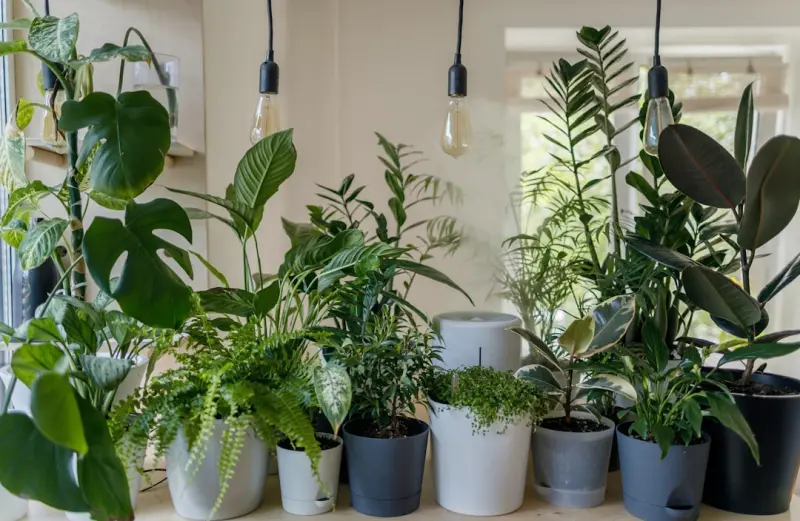
Not all foliage is created equal. Below is a curated list of plants that have earned a reputation for being practically indestructible. They tolerate low light, irregular watering, and occasional temperature fluctuations—perfect for the modern professional who travels or works irregular hours.
- Snake Plant (Sansevieria trifasciata) – Known for its ability to survive in low‑light corners and its capacity to convert CO₂ to oxygen at night, making it a stellar bedroom companion.
- ZZ Plant (Zamioculcas zamiifolia) – Stores water in its rhizomes, meaning you can water it once a month and it will look as vibrant as the day you bought it.
- Pothos (Epipremnum aureum) – A trailing vine that thrives in indirect light and can be pruned in seconds to keep its length in check.
- Spider Plant (Chlorophytum comosum) – Produces “babies” (offsets) that can be propagated without any extra effort, expanding your green collection effortlessly.
- Philodendron (Philodendron spp.) – Adaptable to a wide range of indoor conditions and forgiving of missed watering sessions.
When selecting a plant, consider the following three criteria:
- Light Level – Observe the natural light pattern of the room (e.g., bright, indirect, low). Match the plant’s light tolerance accordingly.
- Watering Frequency – Choose species that store water in their leaves or roots if you tend to forget watering.
- Space & Growth Habit – Decide whether you want a vertical accent, a tabletop piece, or a hanging cascade.
Placement Strategies: From Desk to Living Room
Now that you have a shortlist of candidates, it’s time to think about where they’ll live. Below are three placement scenarios that align with typical work‑from‑home setups.
1. The Focus Zone – Your Home Office Desk
Position a Snake Plant on the far side of your desk, where it can receive indirect morning light. Its night‑time oxygen production supports sustained focus during late‑evening work sessions. Pair it with a small ZZ Plant on a neighboring shelf to add visual interest without competing for space.
2. The Relaxation Nook – Living Room Corner
Use a tall Philodendron as a living room statement piece. Its broad leaves soften hard angles and create a natural backdrop for reading or casual conversation. Add a trailing Pothos in a woven hanging pot above a side table for a layered, organic feel.
3. The Sleep Sanctuary – Bedroom Nightstand
Place a modest Snake Plant or a compact Spider Plant on your nightstand. Because these species continue photosynthesis after dark, they improve nighttime air quality—a subtle boost that can enhance deep sleep cycles. If you’re interested in the broader impact of sleep on performance, see The Hidden Power of Sleep Hygiene for High‑Performance Professionals.
Low‑Maintenance Care Routine
Even the most resilient plants need a bit of love. Here’s a streamlined, five‑minute weekly ritual you can slot into any day of the week.
- Check Soil Moisture – Insert your finger about an inch deep into the pot. If it feels dry, water; if it’s still damp, wait.
- Dust the Leaves – Use a soft microfiber cloth to gently wipe away dust, which can block light absorption.
- Rotate the Pot – Turn the plant 90 degrees to ensure even light exposure on all sides.
- Inspect for Pests – Look for tiny webs or yellow spots. A quick rinse under lukewarm water usually resolves minor infestations.
- Prune Sparingly – Trim any dead or yellowing leaves with clean scissors to encourage fresh growth.
This routine can be performed while you brew your morning coffee, making it virtually frictionless.
Scaling Up: From One Plant to a Green Oasis
If the initial trio of plants gives you a confidence boost, consider expanding your indoor garden gradually. Here’s a three‑phase plan that lets you scale without overwhelming your schedule.
Phase 1 – The Starter Pack (Weeks 1‑4)
Introduce two additional low‑light tolerant plants, such as a Peace Lily (which also blooms) and a Cast Iron Plant. Keep them in rooms with similar lighting to your existing collection to reduce the learning curve.
Phase 2 – The Mixed Media (Weeks 5‑12)
Blend plant life with other natural elements: a small tabletop water fountain, a bamboo mat, or a reclaimed‑wood planter. These accessories amplify the calming effect and diversify the sensory experience.
Phase 3 – The Curated Gallery (Months 4‑6)
Design a “plant wall” using modular wall-mounted planters. Opt for a mix of trailing vines and upright foliage to create depth. This visual focal point can become a conversation starter during virtual meetings or in‑person client visits.
Budget‑Friendly Tips
Going green doesn’t have to break the bank. Here are some cost‑saving strategies that still deliver high‑impact results.
- Propagate Offsets – Many of the plants listed produce baby plants that can be rooted in water or soil for free.
- Shop Local Plant Swaps – Community groups often exchange cuttings, giving you variety without cost.
- DIY Planters – Repurpose mason jars, tin cans, or even old coffee mugs as unique containers.
- Bulk Soil Mix – Purchase a large bag of well‑draining potting mix and portion it into smaller containers.
Measuring Success: How to Tell If Your Green Strategy Is Working
Beyond aesthetics, the true value of indoor plants lies in measurable improvements. Here are three simple metrics you can track:
- Air Quality – Use a compact indoor air monitor to log VOC levels before and after introducing plants.
- Sleep Quality – Keep a sleep diary; note any changes in how quickly you fall asleep or how refreshed you feel in the morning.
- Productivity – Record daily focus scores (e.g., Pomodoro cycles completed) and compare against a baseline period.
When you see positive trends across these dimensions, you’ll know your low‑maintenance garden is paying dividends in both health and performance.
Final Thoughts: A Small Commitment for Big Rewards
Adding a few resilient plants to your home is not about becoming a horticultural guru; it’s about leveraging nature’s silent, low‑maintenance support system to improve the quality of your daily life. Whether you’re striving for better air, a calmer mind, or a more inviting backdrop for virtual meetings, the right plant can be the quiet catalyst you need.
Remember, the goal isn’t a flawless jungle; it’s a purposeful green touch that fits seamlessly into your existing routine. Start with one or two species, adopt the five‑minute weekly care habit, and watch the benefits sprout—often in ways you didn’t anticipate.

Dale Peterson is a freelance writer with a passion for technology, travel, law and personal finance. With 10 years of experience crafting compelling and informative content, he's dedicated to delivering high-quality writing for Blogging Fusion that engages audiences and achieves specific goals.
Related Posts
Crafting a Calm, Productive Home Sanctuary
Discover practical steps to turn any room into a calming, productivity‑boosting sanctuary by focus... Read More
Invisible Comfort: Simple Upgrades for Air, Light, and Sound at Home
Learn how to boost your home’s invisible comfort—air quality, natural light, and sound—using a... Read More

Crafting a Calm, Functional Home Without a Full Renovation
Learn how to map daily flow, improve acoustics, add sustainable storage, streamline kitchens, and us... Read More
Top Posts

Synthetic Data: The Hidden Engine Powering AI Innovation in B2B SaaS
Synthetic data offers SaaS companies a privacy‑safe, cost‑effective way to generate realistic training sets, accelerating AI development and enabling scenar...Read More

Edge‑First SaaS: Why Proximity Beats Power in the Cloud Era
Edge computing is shifting SaaS from pure cloud scale to proximity‑driven performance. This article explains the benefits, security synergies, cost savings, a...Read More

The Silent Power of AI‑Driven Feedback Loops in SaaS Growth
A deep dive into building AI‑driven feedback loops that continuously learn from user interactions, enhance product experiences, and drive measurable SaaS grow...Read More

Turning Google’s API Suite into a Competitive Edge for B2B SaaS
Learn how leveraging Google’s extensive API ecosystem— from Maps and Vertex AI to Identity and BigQuery—can accelerate development, enhance security, and ...Read More
0 Comments
Post Comment
You will need to Login or Register to comment on this post!