
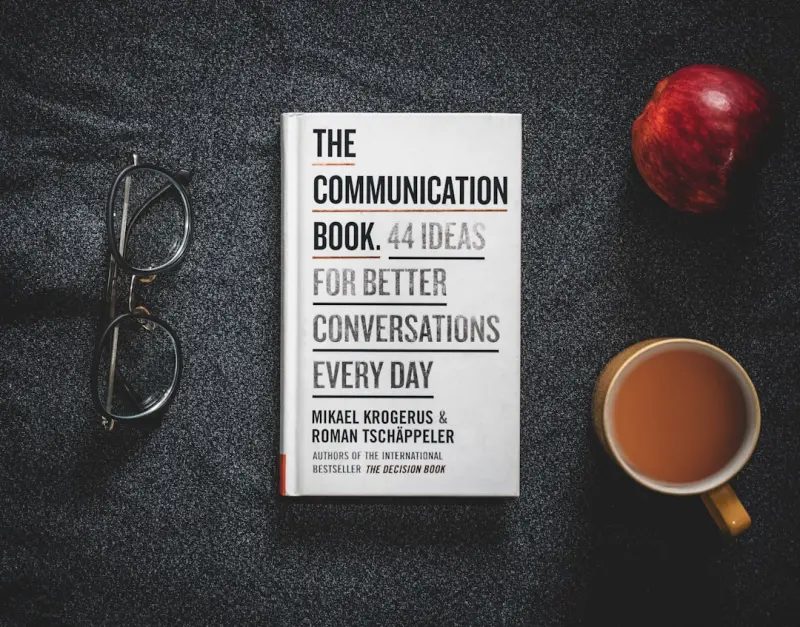
When you think about digital marketing, the first images that come to mind are often glossy ad creatives, algorithm‑driven ad buys, or the endless race for the next SEO hack. Yet, a quieter revolution is brewing in the background—one that replaces static impressions with real‑time dialogue. I’m talking about conversational commerce, the practice of using chat‑based interfaces, messaging apps, and AI‑enhanced bots to guide B2B buyers from curiosity to contract, all within a conversational flow.
Why Conversation Beats Broadcast
Traditional outbound tactics rely on pushing a message to a wide audience and hoping it lands with the right person at the right time. The conversion rates for those approaches have been gradually eroding as buyers become savvier, more independent, and increasingly averse to interruption. In contrast, a conversation is inherently personalized, contextual, and permission‑based. It meets prospects where they already spend time—on Slack, Microsoft Teams, WhatsApp, or even a website’s live‑chat widget—and lets the dialogue dictate the pace.
In practice, this shift means that instead of crafting a single, monolithic landing page that tries to satisfy every buyer persona, you create a series of micro‑interactions that adapt to the user’s responses. Each message becomes a data point, and each data point refines the next touch, creating a feedback loop that is both efficient and humane.
The Core Pillars of a Conversational Strategy
- Channel‑First Mindset – Identify where your target decision‑makers congregate. For many SaaS buyers, the answer is a professional messaging platform rather than a social network.
- Intent‑Driven Triggers – Use behavioral signals—such as a product‑demo request or a whitepaper download—to initiate a chat that feels timely rather than random.
- Human‑in‑the‑Loop Design – Even the smartest bots falter on nuanced objections. A seamless handoff to a live rep keeps the experience frictionless.
- Data‑Powered Personalization – Leverage the data you already own (CRM fields, past interactions, firmographics) to tailor the conversation in real time.
- Outcome‑Oriented Metrics – Move beyond click‑through rates. Track conversation length, sentiment, intent‑score uplift, and closed‑won velocity.
Building the Conversation Engine
At its heart, a conversational engine is a blend of three technologies:
- Messaging Integration Layer – Connectors for Slack, Teams, WhatsApp, and web chat that unify inbound and outbound messages.
- Natural Language Understanding (NLU) – Models that parse user intent, recognize entities, and route the flow appropriately.
- Automation Orchestration – Rule‑based or AI‑driven playbooks that dictate which content, demo links, or sales rep should be introduced next.
Many B2B SaaS firms start by deploying a simple FAQ bot and quickly discover the appetite for richer interactions. The next logical step is to embed a data‑centric playbook that maps each user utterance to a measurable business outcome.
Case Study: From Lead Magnet to Live Demo in 5 Minutes
Imagine a mid‑size tech company that offers a cloud‑based analytics platform. Their classic funnel looks like this: ad → landing page → form → email nurture → sales call → demo → close. The average time from first touch to demo is 14 days, and the conversion rate hovers around 12%.
By integrating a conversational workflow into their website, they replace the static form with a quick chat that asks three targeted questions: “What’s your primary analytics challenge?”, “Which team would use the solution?”, and “When are you looking to implement?” Within 30 seconds, the bot surfaces a personalized demo video and offers a live‑assistant handoff. The result?
- Time to first demo: 5 minutes (instead of 14 days)
- Demo‑to‑close conversion: 28% (up from 12%)
- Overall pipeline velocity: +35%
This dramatic lift illustrates that when you align the buyer’s intent with an immediate conversational response, friction evaporates.
Designing Human‑Centric Bot Dialogues
Even the most sophisticated NLU models can misinterpret sarcasm, industry‑specific jargon, or nuanced objections. The key is to design dialogues that:
- Set clear expectations – Begin with a concise statement of purpose (“I’m here to help you explore how our platform can reduce data latency”).
- Provide escape routes – Offer a “talk to a human” button at every stage.
- Use progressive disclosure – Reveal detailed information only when the prospect shows genuine interest.
- Leverage micro‑commitments – Small agreements (e.g., “Would you like to see a quick use‑case?”) build momentum toward larger commitments.
Testing is crucial. A/B test different greeting tones, question orders, and call‑to‑action placements. Over time, you’ll uncover the phrasing that yields the highest intent score.
Privacy Considerations Without the “Privacy‑First” Label
While the recent trend of “privacy‑first” marketing has dominated headlines, the practical implementation is straightforward. Obtain explicit consent before initiating a chat, store conversation logs securely, and give users the ability to delete their history. By treating data stewardship as a core component of the conversational flow, you turn compliance into a trust‑building advantage.
The Role of Emerging Technologies
Two technology trends are amplifying conversational commerce:
- Generative AI Assistants – Large language models can draft personalized follow‑up messages, suggest relevant case studies, and even simulate product demos on the fly.
- Contextual Voice Interfaces – Voice‑enabled assistants in enterprise environments (think Alexa for Business or Google Assistant) are beginning to support B2B queries, opening a new channel for hands‑free interaction.
For readers who want to dive deeper into voice‑centric experiences, exploring emerging search experiences provides a practical framework.
Measuring Success: Beyond the Click
Traditional digital marketing metrics—impressions, CTR, CPC—are inadequate for conversation‑driven initiatives. Adopt a measurement matrix that reflects the lifecycle of a dialogue:
| Metric | Definition |
|---|---|
| Conversation Initiation Rate | Percentage of visitors who start a chat after landing on a page. |
| Intent Score | AI‑derived confidence that a prospect is ready to move to the next funnel stage. |
| Hand‑off Conversion | Rate at which bot‑to‑human transitions result in scheduled meetings. |
| Time‑to‑Value | Average time from first message to a qualified demo request. |
| Revenue Attribution | Proportion of closed‑won deals linked to conversational touchpoints. |
By aligning your reporting to these metrics, you’ll surface the true ROI of conversational commerce.
Scaling the Conversation Across the Funnel
Conversation isn’t a one‑off tactic; it can be woven into every stage of the buyer journey:
- Awareness – Use chat‑gated content (e.g., “Ask me for the latest industry benchmark”) to capture leads without a traditional form.
- Consideration – Deploy a bot that recommends comparison sheets based on the prospect’s stated pain points.
- Decision – Offer a live‑assistant to negotiate pricing or configure custom packages in real time.
- Post‑Sale – Automate onboarding check‑ins, gather product feedback, and upsell through proactive dialogues.
When every funnel stage is conversation‑enabled, you create a unified experience that feels less like a series of disjointed campaigns and more like a continuous partnership.
Common Pitfalls and How to Avoid Them
- Over‑Automation – Relying solely on bots can frustrate prospects with complex queries. Always design a clear escalation path.
- Poor Data Hygiene – Inaccurate CRM data leads to irrelevant messaging. Regularly cleanse and enrich your datasets.
- Neglecting Tone – A robotic tone erodes trust. Train your NLU models on brand‑aligned language and review transcripts regularly.
- Ignoring Multilingual Needs – Global buyers expect native‑language support. Incorporate translation layers early.
- One‑Size‑Fits‑All Playbooks – Different buyer personas require distinct dialogue flows. Segment your bots by industry, company size, and role.
Getting Started: A 5‑Step Playbook
- Audit Your Channels – List every messaging platform your buyers use. Prioritize the top three.
- Define Conversational Goals – Is the objective lead capture, demo booking, or post‑sale support?
- Prototype a Simple Bot – Use a low‑code platform to build a FAQ bot that can handle the top 5 buyer questions.
- Integrate with CRM – Ensure every chat transcript enriches the prospect’s record.
- Iterate Based on Metrics – Review intent scores, hand‑off rates, and revenue attribution weekly. Refine the flow accordingly.
Remember, the goal isn’t to replace human sales reps but to augment them with a conversational layer that filters, qualifies, and nurtures prospects at scale.
Future Outlook: Conversational Commerce as a Strategic Imperative
As AI assistants become more capable and messaging platforms consolidate, the distinction between “marketing” and “sales” will blur. Companies that invest in conversational commerce today will not only shorten sales cycles but also collect richer, real‑time insights about buyer intent. Those insights, in turn, feed product roadmaps, customer success strategies, and even brand positioning.
The bottom line is simple: if your digital marketing strategy still relies on static ads and one‑way emails, you’re leaving a massive opportunity on the table. By embracing conversation, you align your brand with the way modern buyers think—through dialogue, not monologue.

Related Posts
Community‑First Strategies: The Hidden Growth Engine for SaaS Marketing
A community‑first mindset transforms your SaaS digital marketing from a series of paid pushes into... Read More

Why Data Clean Rooms Are the New Frontier for B2B Digital Marketing
Data clean rooms provide a secure, privacy‑first way for B2B marketers to match and analyze firstâ... Read More

Zero-Party Data: The Secret Weapon for B2B SaaS Marketers
Zero‑party data—information prospects willingly share—offers B2B SaaS marketers a trust‑firs... Read More
Top Posts
Revitalize Your Space: A Seasonal Refresh Playbook for Modern Homes
A practical guide to seasonal home refreshes, covering airflow, purposeful décor, and smart sustainability, with easy weekly tasks and DIY projects....Read More

AI‑First Design: Building SaaS Products That Learn From Day One
AI‑first design embeds machine learning into product foundations, turning AI from a feature add‑on into a competitive advantage. Learn the step‑by‑step ...Read More

Data Clean Rooms: Building Trust‑First Digital Marketing Strategies
Data clean rooms offer a secure, privacy‑preserving way for SaaS marketers to combine first‑party data with partner insights, delivering high‑quality audi...Read More

Micro‑Movements at the Desk: A New Blueprint for Joint Longevity
Micro‑movements—short, intentional stretches and breaths—can transform a sedentary workday into a health‑boosting routine, safeguarding joints, enhancin...Read More
0 Comments
Post Comment
You will need to Login or Register to comment on this post!