

Why Voice Search Is the New SEO Frontier
When I first asked my smart speaker to “find a recipe for a quick dinner,” I was startled by how naturally it answered, pulling up a page that matched my exact phrasing. That moment sparked a personal revelation: voice assistants are no longer novelties; they are becoming the primary gateway to the web for millions of users. Voice search reshapes how people phrase questions, favoring conversational language over the terse keywords that have dominated SEO for a decade. As a seasoned marketer, I’ve watched algorithms evolve, but the shift to spoken queries feels like a seismic tectonic move—one that demands a fresh optimization mindset. In this article, I’ll walk you through the tactics that let your content rise to the top of voice results, from understanding intent to deploying schema that speaks the language of assistants. The goal isn’t just to rank; it’s to become the answer that a voice device delivers confidently, every time a user asks.
The Rapid Rise of Conversational Queries
Recent surveys indicate that more than half of smartphone owners use voice search at least once a day, and that number is climbing as smart speakers infiltrate homes. What’s fascinating is the change in query length: while traditional search averaged four to five words, voice queries now average eight to ten, often framed as full sentences like “What’s the best way to clean a stainless steel sink?” This shift means that the old practice of stuffing titles with exact‑match keywords is losing relevance. Instead, search engines prioritize content that mirrors natural speech patterns, rewarding pages that answer questions directly and succinctly. From my experience, the most successful voice‑ready pages are those that anticipate the user’s spoken rhythm and provide a clear, concise answer within the first 30 seconds of reading. Embracing this reality not only future‑proofs your strategy but also aligns your brand with the human‑first interaction model that voice technology champions.
Decoding Conversational Intent vs. Traditional Keywords
At the heart of voice SEO lies the distinction between conversational intent and the classic keyword‑centric approach. When someone types “best laptop 2023,” they’re looking for a list; when they speak, “What’s the best laptop for graphic design?” they expect a tailored recommendation. To capture this nuance, I start by mapping out question clusters that reflect the “who, what, when, where, why, and how” of my niche. Tools like answer‑the‑public and Google’s People Also Ask provide a goldmine of real‑world phrasing. Once I have a list, I rewrite headings and subheadings to mirror those spoken forms, ensuring the language feels like a direct response from a trusted friend. This practice also dovetails nicely with semantic entity clustering, allowing you to group related concepts and reinforce topical authority without relying on repetitive exact‑match terms.
Crafting Content for Featured Snippets and Position Zero
Featured snippets have become the launchpad for voice answers, as most assistants read the top snippet aloud. To claim this prime real estate, I structure content in a hierarchy that anticipates snippet formats: bullet‑point lists, concise paragraphs, and clearly defined tables. Each answer should be no longer than 40‑50 words, delivering the core information before any fluff. For example, a “how‑to” query benefits from a step‑by‑step
- list
- list
that voice assistants can read verbatim. Additionally, I embed the target question within the first 100 characters of a paragraph, reinforcing relevance. This technique not only boosts the chance of snippet capture but also signals to Google that your page directly addresses the user’s query, a critical factor for voice delivery. Remember, the goal is to be the most concise, authoritative, and easy‑to‑read source—qualities that voice assistants prioritize above all else.
Local Voice Optimization: Capturing “Near Me” Searches
One of the most potent advantages of voice search is its hyper‑local nature. When a user says, “Find a coffee shop open now near me,” the assistant immediately pulls results based on proximity. To dominate these “near me” queries, I ensure my Google Business Profile is impeccably optimized: accurate NAP (Name, Address, Phone) details, up‑to‑date opening hours, and rich, keyword‑laden descriptions. Moreover, I embed location‑specific schema markup and create landing pages that answer common local questions—like “Do you have vegan options?” or “Is there outdoor seating?” By weaving the city or neighborhood name naturally into headings and body copy, you increase relevance for both map packs and voice assistants. Don’t forget to encourage satisfied customers to leave reviews; positive sentiment often surfaces in voice responses, further cementing your authority in the local ecosystem.
Leveraging Structured Data to Speak the Assistant’s Language
Schema markup is the secret sauce that translates your HTML into a language that voice assistants understand. I routinely implement FAQPage and HowTo schema for content that answers common user questions, because these formats are directly pulled into voice responses. For product pages, Product and AggregateRating schemas convey price, availability, and review data without the user having to navigate away from the assistant. When you layer schema on top of well‑structured content, you create a dual signal: one that satisfies traditional SERP rankings and another that satisfies the AI behind voice platforms. A quick audit of your existing pages using Google’s Rich Results Test can reveal missed opportunities, allowing you to add markup that boosts visibility in both text and voice results.
Measuring Voice SEO Performance: Metrics That Matter
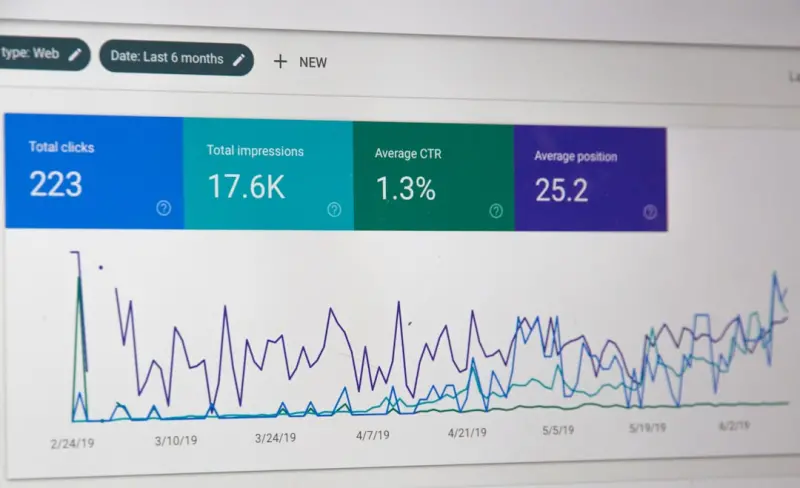
Traditional SEO metrics—organic traffic, bounce rate, and keyword rankings—still matter, but voice SEO introduces new performance indicators. I track the number of impressions and click‑through rates for featured snippets using Google Search Console’s “Performance” report, filtering for “position 0” data. Additionally, I monitor “searches that include “near me”” to gauge local voice impact. Voice‑specific tools, such as AnswerBot analytics, provide insight into how often your content is read aloud by assistants. By correlating these data points with conversions—like phone calls generated from “call now” voice prompts—you can quantify the ROI of your voice strategy. Regularly reviewing these metrics ensures you can iterate quickly, refining content to better align with evolving spoken queries.
Future‑Proofing: Multimodal Search and Emerging Interfaces
The horizon of voice search isn’t limited to audio; it’s expanding into multimodal experiences where visual, auditory, and textual inputs converge. Imagine a user pointing their phone at a product, asking, “Does this come in blue?” and receiving a spoken answer backed by visual confirmation. To stay ahead, I recommend integrating visual search SEO tactics alongside voice optimization. This means optimizing image alt text for both descriptive relevance and natural language, and using video transcripts to capture spoken queries that can be indexed. As augmented reality (AR) and voice assistants fuse, the content that seamlessly blends visual cues with spoken answers will dominate. Preparing now by diversifying your content formats and ensuring each piece is semantically rich positions your brand to thrive in this next wave of search interaction.
Actionable Checklist: Your Voice‑Ready SEO Playbook
To wrap up, here’s a concise checklist you can implement today:
- Audit existing content for conversational phrasing; rewrite headings to mirror spoken questions.
- Identify high‑potential “position zero” opportunities and craft concise, 40‑word answers.
- Implement
FAQPage,HowTo, andLocalBusinessschema where relevant. - Optimize Google Business Profile with accurate NAP and localized descriptions.
- Track voice‑specific metrics in Search Console and adjust based on snippet performance.
- Pair voice strategies with visual search tactics: enrich images, add transcripts, and use structured data.
- Regularly refresh content to reflect evolving language trends and new assistant capabilities.
By treating voice as a distinct but interconnected channel, you’ll not only capture the growing audience that prefers speaking over typing but also reinforce your brand’s authority across the entire search ecosystem. The future of SEO is spoken, and the time to train your content to listen—and respond—is now.

In the world of freelance writing, where creativity and adaptability are paramount, Michelle Fisher stands out as a dedicated and versatile professional. With a passion for crafting compelling narratives and a keen eye for detail, Michelle has established herself as a trusted voice.
Related Posts

The Hidden Power of Community‑Driven SEO: Ranking Beyond Backlinks
Explore a fresh SEO angle that leverages authentic community participation to earn authority, drive ... Read More
From Docs to Discovery: Unleashing SEO Power in SaaS Knowledge Bases
Discover a step‑by‑step framework for turning SaaS documentation into organic traffic, leveragin... Read More

Community‑Driven Link Building: Harnessing Real‑World Networks for SEO Success
Learn why real‑world community connections outperform automated outreach, and get a step‑by‑st... Read More
Top Posts

When AI Becomes Your Personal Travel Agent: Crafting Hyper‑Personalized Journeys
Explore how artificial intelligence can act as a collaborative travel partner, shaping dynamic, health‑focused itineraries that blend data‑driven precision ...Read More

When AI Becomes Your Personal Accountability Coach
Imagine an AI that nudges you toward your goals, tracks progress, and offers real‑time feedback—turning ambition into habit without the guilt of a human ove...Read More
Zero‑Party Data: Turning Customer Intent into Marketing Gold
Learn why zero‑party data is the new gold standard for marketers, how to collect it through conversational experiences, and five actionable steps to start lev...Read More

When the Sun Becomes Your Scheduler: Mastering Circadian Rhythm in the Remote Era
Learn practical strategies to synchronize your workday with natural daylight, improve sleep quality, and boost productivity—all without sacrificing the flexib...Read More
0 Comments
Post Comment
You will need to Login or Register to comment on this post!