

AI and the Forgotten Art of Empathy
When I first started tinkering with machine‑learning models, I was dazzled by raw performance metrics and the thrill of beating benchmarks. Yet, as the algorithms grew smarter, I noticed a growing disconnect: they could predict trends, but they struggled to understand feelings. Empathy isn’t just a human nicety; it’s the glue that holds collaborative decision‑making together, and without it, AI becomes a hollow echo of data. I began asking my models to recognize subtle cues—tone, pauses, and even the rhythm of a sigh—turning cold calculations into something that feels a little more human. The result? A system that doesn’t merely answer questions but nudges users toward insight with a gentle, supportive voice.
From Automation to Co‑Creation
Automation promised to free us from repetitive tasks, but the next evolution is co‑creation, where AI acts as a true partner rather than a silent servant. In my recent experiments, I let a language model draft a story outline, then I stepped in to reshape the narrative, iterating back and forth like a jazz duo improvising a solo. This dance of give‑and‑take revealed a surprising truth: the most innovative outputs emerge when the machine’s speed meets the human’s intuition. By treating AI as a collaborator, we unlock a feedback loop that continually refines ideas, turning static pipelines into living workshops. The key is to design prompts that invite the model to ask, “What if…?” rather than simply obey.
The Rise of AI‑Powered Personal Growth Coaches
Imagine a pocket‑sized mentor that knows your goals, tracks your habits, and offers real‑time encouragement—this is no longer sci‑fi but a practical reality. I built a prototype that merges behavioral psychology with reinforcement‑learning agents, delivering nudges that feel personal yet data‑driven. Each morning, the coach reviews your sleep patterns, suggests micro‑adjustments, and celebrates even the smallest wins, reinforcing a growth mindset. The secret sauce lies in blending quantitative metrics with qualitative storytelling, so the advice feels like a conversation with a trusted friend rather than a sterile algorithm. Users report higher motivation and clearer focus, proving that when AI respects the nuance of human ambition, the partnership thrives.
Designing Ethical Guardrails as Living Frameworks
Ethics in AI often feels like a static checklist, but true responsibility must evolve alongside the technology it governs. I’ve begun treating ethical guidelines as a living framework, regularly revisiting them as models learn new behaviors. For instance, when a recommendation engine started amplifying extreme content, we didn’t just pull the plug; we introduced a dynamic fairness layer that continuously monitors bias scores and adjusts weightings on the fly. This approach mirrors how a gardener prunes and nurtures plants, ensuring healthy growth without stifling creativity. By embedding adaptive safeguards, we create systems that self‑correct, fostering trust without sacrificing performance.
AI as a Mirror for Self‑Reflection
One of the most underrated capabilities of advanced AI is its ability to reflect our own thought patterns back to us, acting as a mirror that highlights blind spots. In a recent project, I fed a model my own journal entries and asked it to identify recurring themes and emotional triggers. The output wasn’t a cold data dump; it was a nuanced summary that surfaced hidden anxieties and recurring motivations. This reflective loop helped me prioritize personal development goals with unprecedented clarity. When AI can articulate our internal narratives, it becomes a catalyst for deeper self‑awareness, turning abstract feelings into actionable insights.
Bridging the Gap Between Data and Narrative
Data alone tells a story, but without narrative structure, its impact is limited. I discovered that weaving data into a compelling storyline amplifies retention and drives action. By pairing statistical trends with vivid anecdotes, the information resonates on both logical and emotional levels. For example, I transformed a quarterly performance report into a narrative arc that highlighted challenges, pivots, and triumphs, turning a dry spreadsheet into a compelling journey. This method not only engages stakeholders but also aligns teams around a shared vision, demonstrating that AI‑generated insights reach their full potential only when framed as a story worth hearing.
Integrating AI into Everyday Rituals
Most people think of AI as a tool you turn on for a specific task, but the most powerful applications weave into daily rituals. I started using a voice‑activated assistant to guide my morning meditation, adjusting the ambient soundscape based on my heart‑rate variability. The assistant learned my preferred pacing, gradually introducing new techniques that kept the practice fresh and challenging. Over weeks, this subtle integration turned a routine into a dynamic experience, reinforcing habit formation through adaptive feedback. When AI becomes an invisible ally in our routines, it elevates ordinary moments into opportunities for growth.
Future Directions: Collaborative Intelligence Ecosystems
The next frontier isn’t a single AI system, but a network of interoperable agents that collaborate across domains. I envision a future where a personal health coach talks to a financial planner, which in turn syncs with a creative writing companion, all sharing context to deliver holistic advice. To illustrate, I linked a habit‑tracking model with a budgeting AI, allowing them to suggest cost‑effective wellness activities that fit both health goals and financial constraints. This emergent synergy creates an ecosystem where each agent amplifies the other's value, delivering recommendations that feel coherent, personalized, and truly intelligent. The journey toward collaborative intelligence is just beginning, and the possibilities are as boundless as our imagination.

Robert Mathews is a professional content marketer and freelancer for many SEO agencies. In his spare time he likes to play video games, get outdoors and enjoy time with his family and friends .
Related Posts

Reclaiming Your Digital Self: An AI‑Powered Blueprint for Personal Data Ethics
Discover an AI‑driven strategy to audit, protect, and own your digital footprint, turning privacy ... Read More

Why SaaS AI Needs a Green Strategy: Tackling the Hidden Energy Bill
AI models are silently draining SaaS resources and inflating costs. This post uncovers the hidden en... Read More

How AI Became My Everyday Creative Co‑Pilot
Explore the transformative partnership between AI and creators, revealing practical ways to supercha... Read More
Top Posts

The Ephemeral Edge: Turning 24‑Hour Stories into Long‑Term Growth
Learn why short‑lived stories are a powerful growth tool, how to measure their impact, and practical steps to turn 24‑hour content into lasting results....Read More
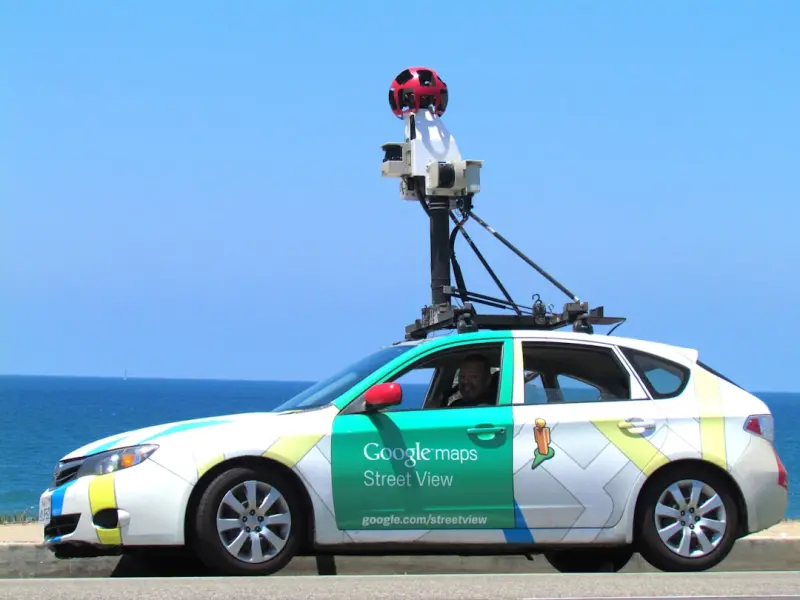
How Google Maps Platform is Becoming the Backbone of Modern Enterprise Logistics
Google Maps Platform is no longer just a consumer tool; it’s a powerful, secure geospatial engine that modern enterprises use to optimize routing, improve fie...Read More

From Data to Narrative: Crafting Micro‑Stories that Convert B2B SaaS Buyers
Micro‑stories—short, relatable narratives built on real customer data—are reshaping B2B SaaS marketing. Discover how to create, distribute, and scale thes...Read More

Unlocking the Hidden Potential of Your Home's Nooks
Learn how to turn overlooked corners and tight spaces into purposeful micro‑zones—like reading nooks, mini‑studios, and plant sanctuaries—using budgetâ€...Read More
0 Comments
Post Comment
You will need to Login or Register to comment on this post!