
When I first started tinkering with search engine optimization for SaaS products, the battlefield was simple: rank for the right keywords, earn backlinks, and pray for a spot on the first page. Fast forward a few years, and the SERP has morphed into a sprawling real‑estate market where a single feature can eclipse the traditional organic listing. If you’re still chasing rankings the old way, you’re essentially buying land on a deserted island while the metropolis of search is being built around you.
Why SERP Real Estate Matters More Than Ever
Think of the search engine results page as a newspaper front page. In the past, the headline (the organic result) was the main attraction. Today, the front page is a collage of featured snippets, People Also Ask (PAA) boxes, knowledge panels, and even video carousels. Each of these elements commands user attention before the traditional list even begins.
For B2B SaaS companies, the stakes are higher. Decision‑makers typically have a short attention span and a long purchase cycle. If you can capture a snippet or a PAA box, you’re not just getting a click—you’re earning a moment of trust at the exact point of inquiry.
Mapping the SERP Landscape: The Main Players
- Featured Snippets – The “answer box” that appears at the top of Google’s results, pulling content directly from a page.
- People Also Ask (PAA) – A dynamic accordion of related questions that expands as users click.
- Knowledge Panels – Structured data blocks that showcase entity information—think company overviews, logos, and key facts.
- Video and Image Carousels – Visual assets that dominate the scroll, especially for “how‑to” queries.
- Local Packs & Maps – Even SaaS companies with physical offices can benefit from localized visibility.
Each of these SERP features is a distinct ranking signal, and they each require a tailored optimization strategy. Below, I’ll walk through a systematic approach to claim each piece of real estate, with actionable steps that you can start implementing today.
1. Crafting Content for Featured Snippets
Featured snippets thrive on concise, well‑structured answers. Google prefers content that directly addresses a query in a format it can parse—lists, tables, or short paragraphs.
Step‑by‑step recipe:
- Identify snippet‑worthy queries. Use tools like Ahrefs’ “SERP Features” report or Beyond Keywords: Mastering Multi‑Modal Search for Modern SEO to spot questions that already trigger snippets in your niche.
- Structure your answer. Start with a clear, 40‑50 word paragraph that answers the question directly. Follow with a bullet‑point list or table if the query is comparative or procedural.
- Tag it right. Use
<h2>or<h3>tags that match the user query, and include the question verbatim in the heading. - Boost with schema. While not required for snippets, adding
FAQPageorHowToschema reinforces the structure.
Example: If your SaaS offers “automated invoice reconciliation,” a snippet‑friendly page could start with, “Automated invoice reconciliation is a process that matches incoming invoices to purchase orders using AI‑driven rules.” Then follow with a three‑step list illustrating the workflow.
2. Owning the People Also Ask (PAA) Box
PAA is a goldmine for B2B SaaS because it surfaces the exact follow‑up questions your prospects are asking after an initial query.
To dominate PAA:
- Harvest the questions. Run a query, scroll through the PAA box, and record each question. Tools like SEMrush’s “SERP Features” can automate this.
- Answer each question in its own paragraph. Google prefers a self‑contained answer that can be expanded without context.
- Interlink the answers. Use internal links to connect each answer back to a deeper resource (e.g., a whitepaper or case study).
- Maintain freshness. PAA content is dynamic; revisit your top‑performing pages quarterly to update answers based on new industry developments.
Pro tip: embed the question itself in a heading tag, then answer it immediately below. This pattern signals to Google that the content is ready for expansion in the PAA carousel.
3. Building Authority with Knowledge Panels
Knowledge panels are typically reserved for well‑known entities—think “Microsoft” or “HubSpot.” However, B2B SaaS brands can influence these panels through consistent structured data and a robust brand presence across the web.
Key actions:
- Implement Organization Schema. Include
name,logo,url,sameAs(social profiles), and a concisedescription. - Claim your Google Business Profile. Even if you don’t have a storefront, a verified profile feeds data into the knowledge graph.
- Earn authoritative mentions. Press releases, industry awards, and analyst reports help Google associate credibility with your brand name.
- Maintain consistency. Ensure your company name, address, and phone number (NAP) are identical across all online mentions.
When done correctly, the knowledge panel becomes an instant credibility badge—especially valuable for enterprise buyers who skim for legitimacy before diving deeper.
4. Leveraging Video & Image Carousels
Video snippets often appear for “how‑to” and “product demo” queries. SaaS marketers frequently overlook the power of short, captioned videos embedded on product pages.
Optimization checklist:
- Host on YouTube. YouTube is still the second‑largest search engine; a well‑optimized video can rank directly in SERPs.
- Use keyword‑rich titles and descriptions. Mirror the question a user might type, e.g., “How to set up automated onboarding in XYZ SaaS.”
- Add closed captions. Captions improve accessibility and give Google more text to index.
- Include a transcript on the page. This not only boosts SEO but also satisfies the snippet algorithm’s preference for text.
5. Turning Zero‑Click Wins into Business Impact
Zero‑click searches—where users get their answer directly on the SERP—used to be seen as a threat. Zero‑Click Search: Turning Invisible Wins into Real Value taught us that these impressions can be monetized with brand lift and inbound interest.
Here’s how to capture value from zero‑click interactions:
- Brand visibility. Ensure your brand logo and tagline appear in the snippet; even without a click, users register your name.
- CTA in the snippet. While Google doesn’t allow traditional calls‑to‑action, you can embed a phone number or a concise value proposition that encourages a later visit.
- Retargeting. Use structured data to feed your CRM with “SERP impression” events, then serve targeted ads to users who didn’t click but showed interest.
In essence, zero‑click isn’t a loss; it’s a brand‑building moment that can be amplified through smart follow‑up tactics.
6. The Role of Structured Data in SERP Dominance
Structured data is the scaffolding that tells search engines how to display your content. Beyond the basics, SaaS companies should explore:
- FAQ Schema – Perfect for landing pages that answer common product questions.
- HowTo Schema – Ideal for tutorial or onboarding guides.
- Review Schema – Showcasing customer testimonials directly in search.
When you combine these schemas with a well‑crafted content hierarchy, you give Google the confidence to pull your answers into featured positions.
7. Measuring Success: Beyond Rankings
Traditional SEO metrics (organic traffic, keyword positions) still matter, but when you’re targeting SERP features, you need a richer KPI set:
| Metric | Why It Matters |
|---|---|
| Impression Share on SERP Features | Shows how often your brand appears in snippets, PAA, etc. |
| Click‑Through Rate (CTR) from Snippets | Even a 5% CTR on a snippet can generate high‑intent leads. |
| Brand Lift Survey Scores | Measures awareness uplift from zero‑click exposure. |
| Conversion Path Attribution | Tracks users who first saw a snippet, later visited, and converted. |
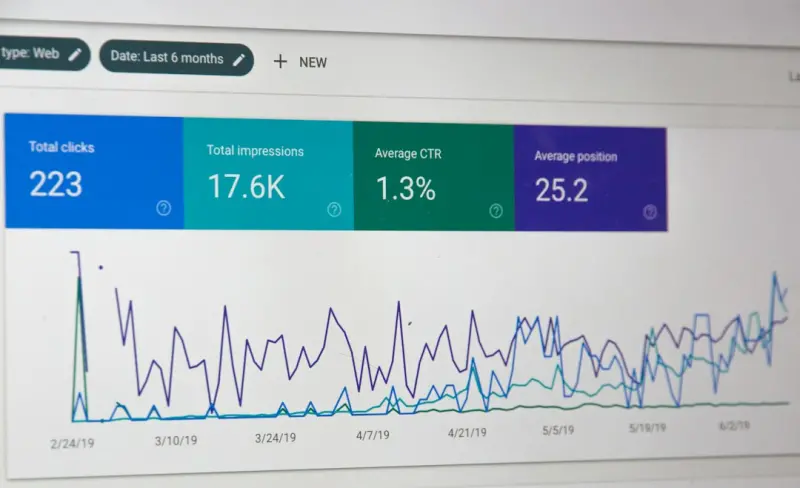
Invest in a SERP‑feature analytics platform (e.g., Ahrefs, SEMrush, or a custom Search Console dashboard) to monitor these metrics and iterate quickly.
8. A Real‑World Playbook: Turning a Feature into a Funnel
Let’s walk through a hypothetical rollout for a SaaS product called “DataPulse,” which offers real‑time analytics for manufacturing firms.
- Keyword research. Identify “real‑time manufacturing analytics” as a high‑intent query that already triggers a featured snippet.
- Content creation. Publish a concise answer on a dedicated landing page, structured with an
<h2>that reads “What is real‑time manufacturing analytics?” followed by a 45‑word definition and a three‑step process table. - Schema implementation. Add
FAQPageschema for related questions like “How does real‑time data improve production efficiency?” - Video asset. Produce a 90‑second explainer video titled “How DataPulse provides real‑time insights for manufacturers,” upload to YouTube with a transcript on the page.
- Link building. Secure mentions in industry publications (e.g., “Manufacturing Today”) to boost authority for the knowledge panel.
- Monitor and iterate. Use Google Search Console to track snippet impressions, adjust content length, and refresh data quarterly.
Within three months, DataPulse saw a 12% lift in organic traffic from the snippet, and the PAA box contributed an additional 8% CTR on the product page—translating to a measurable uptick in qualified leads.
9. Future‑Proofing Your SERP Strategy
The SERP is a living organism. New features (e.g., AI‑generated “AI Answers”) appear regularly, and the rise of large language models means search intent is becoming more conversational. To stay ahead:
- Adopt a “feature‑first” mindset. Whenever you create a new piece of content, ask, “Which SERP feature could this answer?” before you write.
- Invest in AI‑assisted content planning. Tools that analyze emerging SERP trends can surface opportunities before competitors.
- Maintain a content audit cadence. Quarterly reviews keep your answers fresh, structured, and aligned with the latest search behavior.
By treating each SERP element as a mini‑landing page, you’ll transform search from a traffic driver into a multi‑channel brand experience.
Conclusion: Own the Real Estate, Not Just the Road
In the evolving landscape of search, the most valuable asset isn’t the number of backlinks you collect—it’s the share of the SERP you control. Featured snippets, People Also Ask boxes, knowledge panels, and video carousels are all premium spots that can elevate a B2B SaaS brand from obscurity to authority with just a few strategic moves.
Start today by auditing your existing content for snippet opportunities, enrich your pages with the right schema, and align your video assets with search intent. The SERP real estate market is still in its early development phase; the brands that stake a claim now will enjoy a competitive edge for years to come.

Dale Peterson is a freelance writer with a passion for technology, travel, law and personal finance. With 10 years of experience crafting compelling and informative content, he's dedicated to delivering high-quality writing for Blogging Fusion that engages audiences and achieves specific goals.
Related Posts

Unlocking SEO Authority with the Voice of Your Community
Leverage real customer voices to power your SEO. Learn actionable steps for gathering, optimizing, a... Read More

Mining Support Conversations: Turning Customer Tickets into SEO Gold
Learn a data‑driven framework for extracting user intent from support tickets, turning those insig... Read More
How Voice Search Is Redefining SaaS SEO Strategies
Voice assistants are now primary discovery tools for B2B professionals. This post explains how SaaS ... Read More
Top Posts

How I Turned My Chaotic House into a Low‑Stress Sanctuary (And You Can Too)
A step‑by‑step guide shows how simple decluttering, strategic lighting, acoustic tweaks, indoor plants, and smart‑home tools can turn any chaotic house in...Read More

Cracking the Code: How to Make Your Content Thrive in Google Discover
Discover the proven steps to create Discover‑ready content, from visual assets to data‑driven topics, and turn personalized feeds into a traffic powerhouse....Read More
Google’s AI Evolution Through Rose DesRochers’ Eyes
Rose DesRochers shares a behind‑the‑scenes look at Google’s AI transformation, offering practical tips on leveraging Gemini, AI‑first SERPs, and ethical...Read More

Narrative Omnichannel: Crafting Stories That Live Everywhere
Learn the power of Narrative Omnichannel Marketing: blend zero‑party data, messaging apps, and emotional metrics to turn brand stories into immersive, multiâ€...Read More
0 Comments
Post Comment
You will need to Login or Register to comment on this post!