
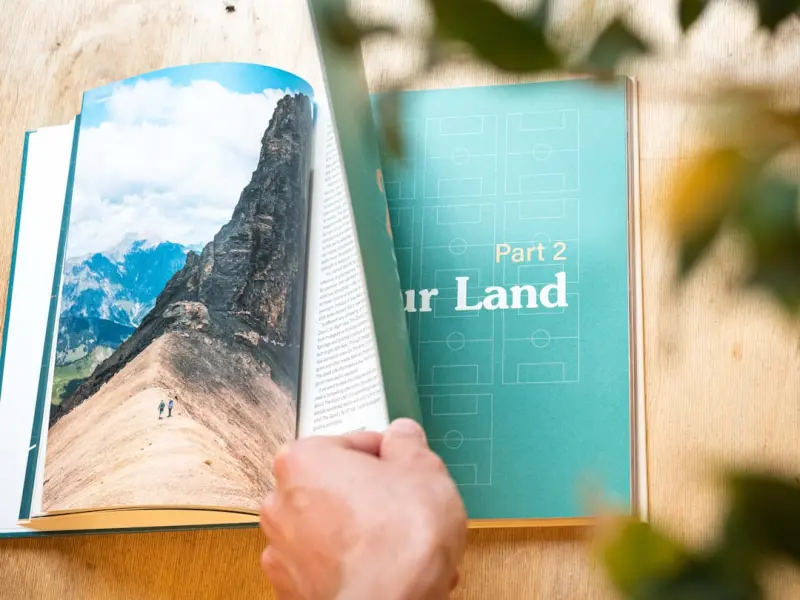
Re‑imagining the Trip as a Living Story
When I first left the comforts of my hometown, I realized that every mile traveled can be treated like a chapter in a novel, each waypoint a plot twist that reshapes the protagonist’s worldview, and every unexpected encounter a vivid character who leaves an indelible mark on the narrative; this mindset forces you to abandon the stale checklist of must‑see landmarks in favor of a fluid, curiosity‑driven script that lets the road write itself while you remain the attentive scribe, capturing the subtle cadence of distant dialects, the smell of rain on ancient stone, and the quiet hum of a midnight train that feels like a heartbeat echoing through a landscape you’ve never known before. Embracing this narrative‑first approach transforms a simple vacation into a personal odyssey, turning ordinary transit moments into rich, reusable anecdotes that can be shared around a campfire, posted on a blog, or whispered to a fellow traveler who might one day follow the same invisible ink trail you’ve left behind.
The Art of Micro‑Adventures: Tiny Escapes, Big Stories
Instead of chasing the next massive destination, I now chase micro‑adventures—those bite‑sized forays that fit into a weekend, a long weekend, or even a single afternoon, allowing you to weave a tapestry of experiences that feel both intimate and expansive; by focusing on short, purposeful journeys—like a sunrise hike up a forgotten hill, a midnight bike ride through a sleepy town, or a spontaneous ferry ride to an uninhabited island—you cultivate a sense of wonder that doesn’t depend on distance but on depth, and you discover that the most memorable moments often arise when you deliberately choose the road less traveled, even if that road is merely a back‑alley coffee shop with a view of the river.
Train Tales: Riding the Rails as a Moving Narrative
There is something profoundly cinematic about watching the world blur past a train window, the rhythmic clatter of wheels providing a metronome for reflection, and the communal cabins offering a temporary village where strangers become co‑authors of a shared story; I’ve found that the best travel narratives emerge when you surrender to the slow pace of rail travel, allowing time for conversations with fellow passengers, for reading the landscape like a living map, and for noting the subtle shifts in light that paint the horizon in ever‑changing hues, each moment a paragraph waiting to be recorded.
During one recent cross‑country journey, I stumbled upon a tiny station that wasn’t listed in any guidebook, a place where locals gathered to trade stories over steaming cups of herbal tea, and I realized that the true treasure of train travel lies not in the destinations but in the fleeting, serendipitous encounters that happen in the spaces between stations; this is why I often reference hidden gems of travel in my itineraries, because they remind me that the most enchanting experiences are frequently tucked away in the nooks and crannies of everyday life, waiting for a curious traveler to pause, listen, and write them down.
Volunteer Voyages: Giving Back While Moving Forward
Traveling with purpose—whether it’s helping restore a coastal mangrove, teaching English in a remote mountain school, or assisting in a community garden—adds a layer of meaning that turns a simple trip into a reciprocal exchange, where you not only absorb the culture but also leave a positive imprint that resonates long after you’ve boarded the plane home; these volunteer voyages demand humility, adaptability, and a willingness to step outside your comfort zone, but the stories that emerge—like the day a group of children taught me a traditional dance under a canopy of stars—become the kind of vivid anecdotes that elevate any travel diary from a list of sights to a heartfelt chronicle of human connection.
Sustainable Packing: Minimalism Meets Adventure
One of the most liberating lessons I’ve learned on the road is that the weight of your backpack should mirror the weight of your intentions—light, purposeful, and free from excess, so that each item you carry serves a clear function, whether it’s a reusable water bottle that reduces plastic waste, a solar charger that keeps your devices alive without draining the grid, or a compact journal that encourages daily reflection; by adopting a minimalist packing philosophy, you not only reduce your environmental footprint but also free up mental space to fully engage with the surroundings, noticing the subtle details that often go unnoticed when you’re weighed down by unnecessary gear.
Storytelling with SEO: Making Your Travel Tales Findable
Even the most compelling travel story can remain hidden if it doesn’t speak the language of search engines, which is why I integrate subtle SEO techniques—like strategic keyword placement, descriptive meta tags, and internal linking—to ensure that my narratives surface when fellow wanderers search for inspiration; for example, weaving in concepts from structured data secrets allows search bots to better understand the context of my posts, boosting visibility without compromising the authenticity of the storytelling.
By treating each blog entry as a chapter in a larger travel anthology, I can cross‑reference experiences, create thematic clusters, and guide readers along a curated path that mirrors the way a traveler might move from one destination to another, all while maintaining the organic voice that makes the journey feel personal and relatable.
Building a Community of Narrative Travelers
Travel, at its core, is a shared human experience, and fostering a community where stories are exchanged, critiqued, and celebrated amplifies the impact of each individual journey; I regularly host virtual roundtables where fellow travelers bring their latest anecdotes, discuss challenges like language barriers or cultural missteps, and collectively brainstorm ways to turn those moments into lessons for the wider audience, creating a feedback loop that enriches both the writer and the reader.
This collaborative spirit extends beyond the digital realm, inspiring meet‑ups at local cafés, group hikes, and even co‑authored travel guides that blend diverse perspectives into a single, cohesive narrative, proving that when we write together, we not only document the world but also shape it, one story at a time.
Conclusion: Write Your Own Map, One Word at a Time
In the end, the most rewarding way to travel is to treat every step as an act of authorship, letting curiosity dictate the route, letting purpose color the purpose, and letting sustainability shape the means, all while weaving a tapestry of stories that can inspire, inform, and ignite the wanderlust in others; so next time you pack your bag, remember that the most essential item isn’t a passport or a pair of shoes, but a notebook ready to capture the fleeting poetry of the world around you, turning ordinary moments into extraordinary memories that endure long after the journey ends.

David Moore is a freelance writer specializing in two dynamic and ever-evolving fields: gambling and the tech industry. With a keen eye for detail and a knack for unraveling complex topics, David delivers insightful and engaging content that keeps readers informed and entertained.
Related Posts
Travel as a Living Lab: Sustainable Tech, Community, and Real‑Time Exploration
Learn how to blend sustainable practices, edge‑enabled tools, and genuine community connections in... Read More

The Nomadic Executive: Crafting High‑Performance Travel in a Hyper‑Connected World
Travel for senior leaders is an extension of the office, not a break. This article shares a strategi... Read More
Flavor Trails: Turning Every Meal Into a Travel Story
Explore a fresh travel approach that centers on local cuisine, turning each meal into a vivid cultur... Read More
Top Posts

Edge Computing: The Real‑Time Engine Powering Modern SaaS Solutions
Edge computing is reshaping SaaS by processing data where it’s generated, delivering instant insights, reducing bandwidth, and meeting compliance demands. Thi...Read More

Surfing the 2026 Google AI Wave: A Marketer’s Insider Playbook
In 2026, Google’s AI revolution demands a fresh strategy; explore insider tactics, privacy‑first practices, and a proven playbook to dominate the new search...Read More

Unlocking Restful Nights: A Personal Guide to Better Sleep
A personal guide to improving sleep, covering night‑time habits, bedroom setup, nutrition, and simple tracking tools to help you wake up refreshed and ready f...Read More

Unplanned Paths: How Spontaneous Travel Revitalizes the Explorer Within
Explore the art of spontaneous travel, from micro‑adventures and analog journaling to digital detoxes and eco‑conscious choices, and learn how unplanned mom...Read More
0 Comments
Post Comment
You will need to Login or Register to comment on this post!