

Why Conversations Are the New Currency in B2B Marketing
When I first stepped into digital marketing over a decade ago, the mantra was “capture attention, then capture the click.” Today, the click is fading into the background. Modern buyers expect a dialogue, not a billboard. They want instant answers, tailored recommendations, and a sense that the brand understands their unique challenges. In the B2B world—where purchase cycles are long, stakes are high, and stakeholders are many—conversation becomes the most efficient way to cut through noise and build trust.
The Shift from Campaign‑Centric to Dialogue‑Centric
Traditional B2B campaigns still rely heavily on static assets: whitepapers, webinars, and long‑form landing pages. Those tactics work, but they assume the prospect will take the initiative to seek out information. Conversational marketing flips that assumption on its head. Instead of waiting for a download, you meet the prospect where they already are—messaging apps, website chat windows, or even voice assistants.
Think of it as moving from a one‑way megaphone to a two‑way walkie‑talkie. The conversation is immediate, contextual, and, most importantly, measurable at the micro‑interaction level.
Core Pillars of a Conversational B2B Strategy
- Instantaneous Value Delivery – A prospect’s first question (“How does your platform integrate with X?”) should be answered in seconds, not minutes.
- Data‑First Personalization – Use first‑party data to tailor each exchange, rather than relying on third‑party cookies that are disappearing.
- Seamless Handoff to Humans – When the conversation reaches a complexity threshold, a live agent should slide in without the prospect having to repeat themselves.
- Closed‑Loop Attribution – Every chat interaction must feed back into your CRM and analytics stack, enabling true ROI measurement.
Choosing the Right Conversational Channels
Not every channel is created equal. Here’s a quick rundown of where B2B buyers spend their time and how you can meet them there:
- Website Live Chat – Still the workhorse for immediate engagement on product pages.
- LinkedIn Messaging – Ideal for account‑based outreach; you can embed rich media like case studies directly in the chat.
- WhatsApp Business & SMS – Surprisingly effective for quick follow‑ups and appointment confirmations.
- Voice Assistants (Alexa, Google Assistant) – Early adopters are using voice to request demos or pricing details.
Each platform demands a slightly different tone, but the underlying principle—speedy, relevant, human‑like interaction—remains constant.
Building a Conversational Engine: Technology Meets Human Insight
Many teams start with off‑the‑shelf chatbot builders, only to discover that the experience feels robotic. The secret sauce is marrying prompt engineering techniques with domain‑specific knowledge bases. By carefully crafting the prompts that power your language model, you can guide it to speak in the exact voice and terminology your industry expects.
But technology alone isn’t enough. Your subject‑matter experts must feed the bot with up‑to‑date product data, regulatory considerations, and typical objection handling scripts. The result is a hybrid intelligence where the algorithm handles routine queries, while human experts intervene for nuance—echoing the ideas from human‑AI partnerships in SaaS.
Privacy‑First Targeting: The First‑Party Data Advantage
With browsers tightening cookie policies, B2B marketers can no longer rely on third‑party tracking for precise targeting. The answer lies in first‑party data collection—forms, gated content, and, crucially, the conversation logs themselves.
Every chat transcript is a goldmine of intent signals: product features mentioned, budget ranges, timeline cues. By feeding these signals into a privacy‑compliant data lake, you can build highly granular audience segments without ever touching a third‑party cookie.
Moreover, a transparent privacy notice at the start of each conversation builds trust. When prospects know their data is stored securely and used solely to improve the dialogue, they’re far more willing to share sensitive information.
Designing the Conversation Flow
A well‑engineered flow feels like a natural back‑and‑forth, not a rigid decision tree. Here are three design patterns that work well for B2B:
- Qualification Funnel – Use a few targeted questions to determine fit (e.g., company size, tech stack). If the prospect is a strong match, instantly surface a personalized demo link.
- Content Recommendation Engine – Based on the prospect’s pain points, suggest a relevant case study, ROI calculator, or industry benchmark report.
- Live Agent Escalation – When the bot detects a high‑value signal (e.g., “talk to a solutions architect”), it triggers a handoff, sharing the entire chat history with the human rep.
Always embed short, clear calls‑to‑action (CTAs) within the chat. A single “Schedule a 15‑minute call” button can convert a wandering visitor into a qualified lead within minutes.
Measuring Success: From Micro‑Metrics to Macro‑Outcomes
Conversational marketing introduces a new set of KPIs:
- First‑Response Time (FRT) – Target sub‑30‑second answers for high‑intent queries.
- Conversation Completion Rate – Percentage of chats that reach a predefined goal (demo request, content download).
- Bot‑to‑Human Handoff Ratio – Tracks how often the bot can resolve an issue without human intervention.
- Revenue Attribution – Connect the final closed‑won deal back to the originating chat interaction.
Because every message can be tied back to a unique user ID, you can attribute revenue down to the exact phrase or CTA that closed the deal—a level of granularity traditional campaigns rarely achieve.
Real‑World Example: Turning a Cold Lead Into a Closed Deal
Imagine a mid‑size manufacturing firm lands on your pricing page. A subtle chat widget pops up: “Looking for a quick quote? I can help you right now.” The prospect types “I need integration with SAP.” The bot, powered by a finely tuned prompt, replies with a concise summary of your platform’s SAP connectors, then asks, “Would you like a live demo with a solutions architect who specializes in ERP integrations?” The prospect clicks “Yes,” and the bot schedules a 30‑minute slot, automatically populating the CRM with the chat transcript, the integration interest, and the prospect’s contact details. Two days later, the live architect references the exact chat exchange, demonstrating that you listened. The deal closes—thanks to a seamless, conversational handoff.
Future Trends to Watch
While conversational B2B marketing is already delivering measurable ROI, several emerging trends will amplify its impact:
- Multimodal Interactions – Combining text, voice, and visual elements (e.g., quick‑view product demos within the chat).
- AI‑Generated Summaries – After a lengthy conversation, an AI can instantly generate a meeting brief for the sales rep.
- Proactive Outreach – Bots that monitor a prospect’s activity (e.g., a new whitepaper download) and initiate a timely, context‑aware chat.
- Integration with Revenue Operations Platforms – Closing the loop between chat data, pipeline forecasting, and compensation planning.
By staying ahead of these trends, you’ll ensure your conversational engine remains a competitive moat rather than a fleeting experiment.
Action Plan: Implementing Conversational Marketing in 90 Days
Ready to get started? Follow this three‑phase roadmap:
- Discovery (Weeks 1‑2)
- Audit existing touchpoints for conversational opportunities.
- Identify high‑intent pages (pricing, product comparison, demo requests).
- Map out key buyer personas and their typical questions.
- Build & Test (Weeks 3‑8)
- Select a chatbot platform that supports prompt engineering and easy CRM integration.
- Create a library of intent‑based prompts and content snippets.
- Run A/B tests on greeting messages, response times, and handoff triggers.
- Scale & Optimize (Weeks 9‑12)
- Roll out to additional channels (LinkedIn Messaging, WhatsApp).
- Implement analytics dashboards for FRT, conversion, and revenue attribution.
- Iterate prompts based on real‑time performance data.
By the end of the quarter, you should have a fully operational conversational layer that not only captures leads faster but also enriches your data ecosystem for future campaigns.
Conclusion: Conversation Is No Longer Optional
In a world where privacy regulations tighten, cookies crumble, and attention spans shrink, the brands that thrive will be the ones that talk—not just shout. By embracing conversational B2B marketing, you align your technology stack, your sales process, and your brand personality into a single, responsive experience. The payoff is clear: faster lead qualification, higher conversion rates, and a richer, first‑party data foundation that future‑proofs your marketing engine.

Robert Mathews is a professional content marketer and freelancer for many SEO agencies. In his spare time he likes to play video games, get outdoors and enjoy time with his family and friends .
Related Posts
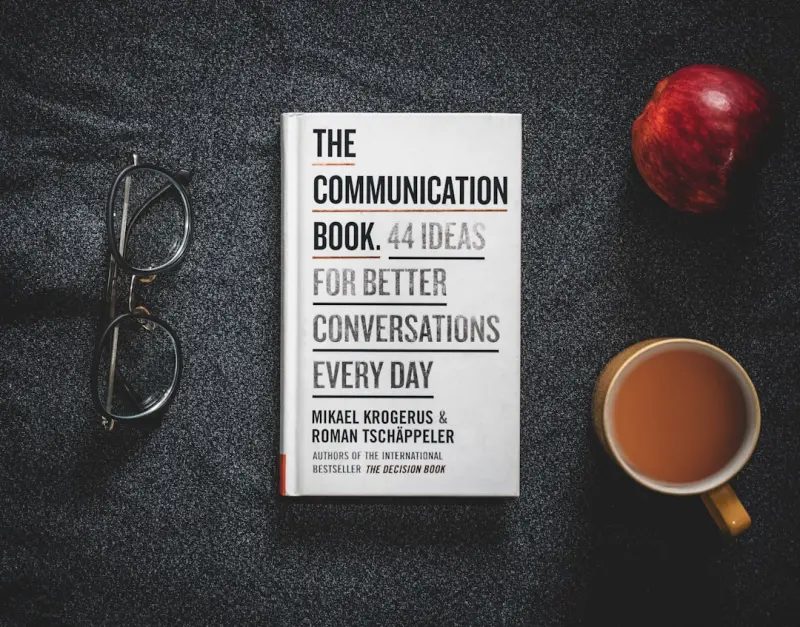
Conversational Commerce: The New Frontier for B2B Digital Marketing
A deep dive into conversational commerce reveals how chat‑based interactions, AI‑enhanced bots, ... Read More

Permissionless Personalization: Ethical Data Strategies for Modern B2B Digital Marketing
Explore a fresh framework for B2B digital marketing that blends intent‑first data, human‑centric... Read More

Augmented Reality: The Next Growth Lever for SaaS Marketers
Explore why augmented reality is becoming a powerful tool for SaaS marketers, offering immersive pro... Read More
Top Posts

The SaaS Growth Lab: Running Rapid Marketing Experiments for Scalable Results
A practical guide to building a “Growth Lab” that treats marketing like product development, using rapid hypothesis testing, cross‑functional squads, and ...Read More
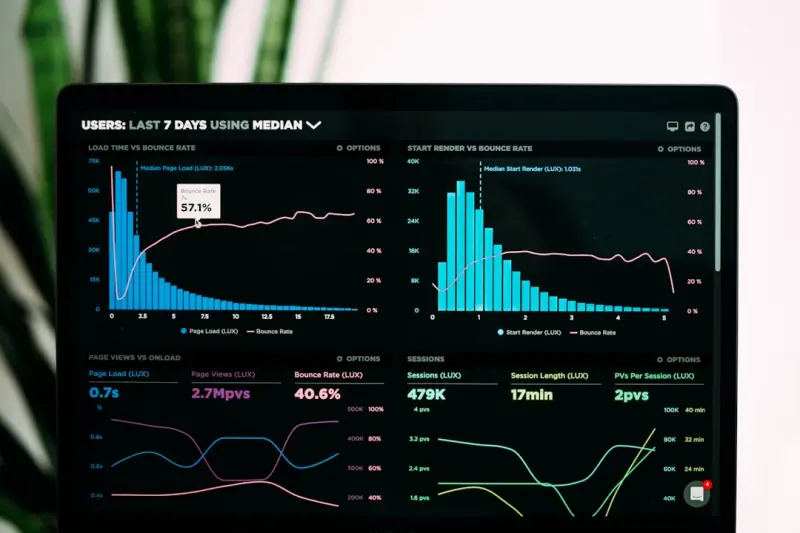
When AI Starts Designing Your Dashboard: The Generative UI Revolution
Generative UI lets AI create and personalize SaaS dashboards on the fly, cutting design time, boosting user adoption, and turning UI into a scalable competitive...Read More
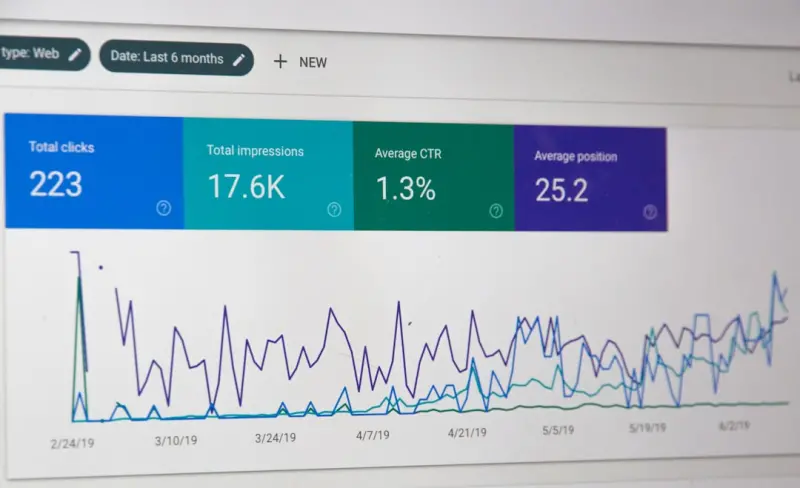
Sustainable SEO: Ranking Higher While Cutting Carbon Footprint
Sustainable SEO blends efficient site architecture, purpose‑driven content, and green hosting to boost rankings while lowering your digital carbon footprintâ€...Read More

Why Google’s Privacy Sandbox Is a Game‑Changer for B2B SaaS Marketers
The Google Privacy Sandbox isn’t a roadblock—it’s a catalyst for smarter, consent‑driven SaaS marketing. Learn how to leverage cohort targeting, context...Read More
0 Comments
Post Comment
You will need to Login or Register to comment on this post!