

Why Travel Needs All Five Senses
When I first stepped onto a bustling night market in Southeast Asia, the spice‑laden air wrapped around me like a warm blanket, the clatter of wok‑sizzles and distant laughter formed a rhythm that pulsed through my chest, and the vivid tapestry of lanterns painted the sky with colors that no photograph could ever capture; it was a reminder that true travel lives in the moments that touch your nose, ears, tongue, skin, and eyes simultaneously. Most itineraries focus on landmarks and Instagram‑worthy vistas, yet the most lasting memories often spring from the subtle sensations— the buttery crumble of a fresh‑baked croissant in a Parisian boulangerie, the cool mist of a waterfall against bare shoulders, or the echo of a centuries‑old chant in a remote monastery—each one anchoring a story in the brain’s sensory map. If you’ve ever wondered how travel reshapes memory beyond a simple snapshot, you’ll find that engaging the full sensory palette not only deepens emotional resonance but also turns ordinary trips into a personal archive of feeling.
My own approach has evolved from chasing iconic sites to seeking the invisible textures that define a place, because I’ve learned that a city’s soul can be heard in the cadence of its street musicians, tasted in the unexpected tang of a local condiment, and felt in the worn cobblestones that have guided generations of footfalls; these layers create a multi‑dimensional narrative that no guidebook can fully convey. By deliberately pausing to inhale the scent of rain on a terracotta roof or to run fingers over the rough grain of a historic wooden door, travelers cultivate a mindfulness that transforms sightseeing into a form of active listening, where the environment speaks back in whispers and shouts alike. This practice also invites you to notice the nuanced ways culture manifests—whether it’s the soft murmur of a tea ceremony or the gritty grit of a desert wind—each a reminder that travel is a living, breathing dialogue between you and the world.
Embracing a sensory mindset also helps you break free from the “check‑list” mentality that plagues modern tourism; instead of racing from one photo‑op to the next, you begin to savor the momentary details that would otherwise slip away, like the faint perfume of jasmine drifting from a temple garden or the subtle after‑taste of a locally brewed coffee that lingers long after the cup is empty. This shift not only reduces travel fatigue but also nurtures a deeper sense of belonging, as you start to recognize patterns that repeat across continents—shared aromas of spice markets, universal rhythms of waves crashing, the comforting hum of a bustling café—creating an invisible thread that ties disparate destinations together. In short, when you travel with all five senses as your compass, you discover a richer, more intimate connection to the places you visit, turning each journey into a living scrapbook of feeling.
Designing a Sensory Itinerary
To craft a trip that honors every sense, begin by mapping experiences around sensory categories rather than traditional landmarks; I start each planning session by listing a handful of “taste stops,” “sound scenes,” and “texture trails” that align with the region’s unique character, then weave them into the daily schedule so that each day feels like a curated exhibition rather than a rushed tour. For example, a morning might open with a sunrise hike where the cool mist kisses your skin and the chorus of birds provides a natural soundtrack, followed by a midday market visit where you sample street‑food delicacies while the scent of fresh herbs fills the air, and end with an evening stroll along a riverbank where the gentle lapping of water against stones soothes the mind. By structuring days around these sensory anchors, you create a rhythm that naturally balances excitement with reflection, ensuring that no sense is left dormant.
Technology can be a subtle ally in this process; while many fear it dilutes authenticity, a well‑chosen app can help you locate hidden gems like a family‑run bakery known only to locals or a quiet garden where the fragrance of blooming roses is at its peak. I often pair these tools with analog methods—like keeping a small notebook to sketch textures or jot down aroma notes—because the act of recording engages the brain in a deeper way, turning fleeting impressions into lasting impressions. If you enjoy reading on the move, consider how reading on the move can complement your sensory journey, perhaps by selecting a short story that mirrors the landscape you’re traversing, thereby adding an intellectual layer to the tactile experience.
Finally, be intentional about pacing; sensory overload can be as tiring as information overload, so intersperse high‑stimulus activities with moments of quiet absorption—like sitting on a stone bench to watch clouds drift or sipping tea while the world passes by unnoticed. This ebb and flow mirrors the natural cycles of the body, allowing your senses to reset and heighten their awareness for the next adventure. Remember that the goal isn’t to check every box but to curate a narrative where each sense contributes a chapter, creating a cohesive story you can recall with vivid clarity long after the trip ends.
Bringing the Sensory Journey Home
When the trip concludes, the real test is how well the sensory memories integrate into everyday life, turning a fleeting vacation into a lasting lifestyle shift; I keep a small “sensory box” on my kitchen counter filled with items like a pinch of sea salt from a coastal town, a folded fabric swatch from a market stall, and a playlist of street musicians I recorded, each piece acting as a trigger that instantly transports me back to the moment of discovery. These tangible reminders serve as daily prompts to engage the senses—whether you’re cooking a dish inspired by a foreign spice blend or lighting a candle that mimics the scent of a distant forest—thereby extending the travel experience beyond the passport stamps.
Sharing your sensory discoveries can also amplify their impact; I often host informal gatherings where friends sample foods, listen to recordings, or feel textures I brought back, turning the stories into collaborative experiences that deepen relationships and spread the love of mindful travel. Social media, when used thoughtfully, can become a platform for sensory storytelling rather than visual bragging, by posting short audio clips of market chatter, close‑up videos of hand‑woven textiles, or descriptive captions that evoke taste and touch. This approach not only honors the authenticity of the journey but also inspires others to explore travel beyond the visual, fostering a community that values depth over distance.
In the end, a multi‑sense travel philosophy reshapes how we view the world and ourselves, reminding us that every destination offers a symphony of flavors, sounds, sights, textures, and aromas waiting to be discovered; by deliberately tuning into these layers, we cultivate a richer, more compassionate outlook that carries forward into our daily routines, relationships, and future adventures. So the next time you book a flight, ask yourself not just where you’ll go, but how you’ll feel, taste, hear, and touch—because the most unforgettable journeys are the ones that linger in every fiber of your being.

David Moore is a freelance writer specializing in two dynamic and ever-evolving fields: gambling and the tech industry. With a keen eye for detail and a knack for unraveling complex topics, David delivers insightful and engaging content that keeps readers informed and entertained.
Related Posts

Finding the Uncharted: How Micro‑Adventures Are Redefining Modern Travel
Discover how micro‑adventures transform travel into a series of high‑impact, data‑informed mom... Read More
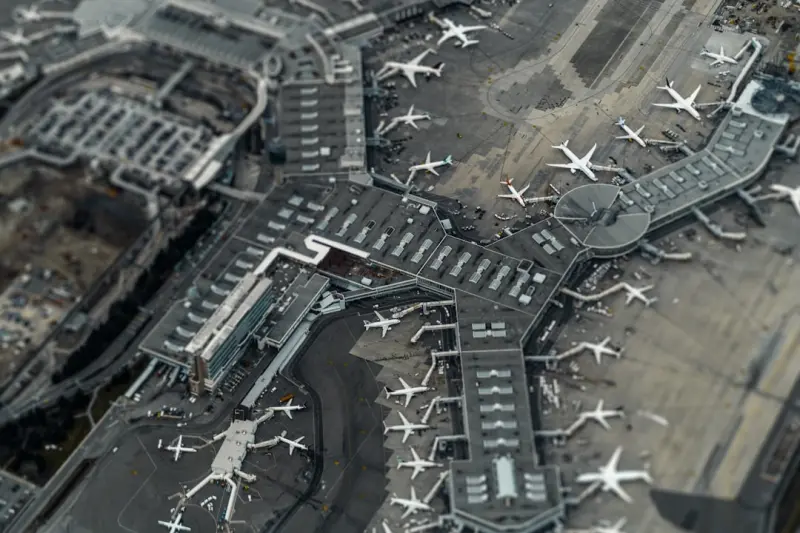
Why the Airport Terminal Is the Ultimate Remote‑Work Playground
Discover how to transform airport terminals into high‑impact remote‑work spaces using micro‑br... Read More
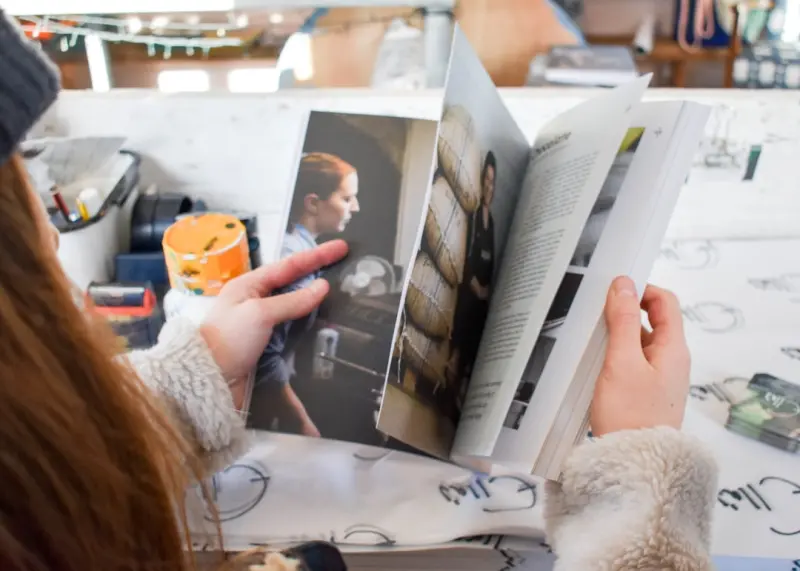
How to Turn Every Trip into a Living Storybook
Learn to turn each journey into a living storybook using audio diaries, sensory scrapbooks, and know... Read More
Top Posts

Why a Digital Sunset Could Be Your Secret Weapon for Wellness
The digital sunset—a deliberate stop to all screen use each evening—helps reset circadian rhythms, lower cortisol, and improve sleep quality, leading to sha...Read More
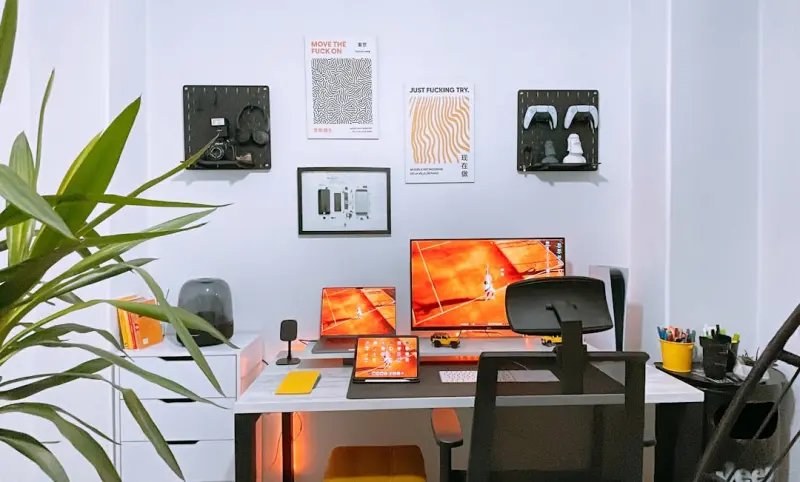
Rewire Your Home Office for Brain Power and Resilience
Learn practical, science‑backed strategies to transform your home office into a mental resilience hub by optimizing light, air, and micro‑movement habits....Read More

Google’s AI Surge: Rose DesRochers’ Insider Playbook for Staying Ahead
Rose DesRochers breaks down Google’s AI evolution, offering actionable strategies to keep your brand authentic, visible, and future‑ready in the age of Gemi...Read More

Riding Google’s AI Wave: A Marketer’s Front‑Line Perspective
A marketer shares insider tactics for mastering Google’s AI-driven search, blending tech tools with human storytelling to stay ahead of the curve....Read More
0 Comments
Post Comment
You will need to Login or Register to comment on this post!