

The Rise of the AI Whisperer
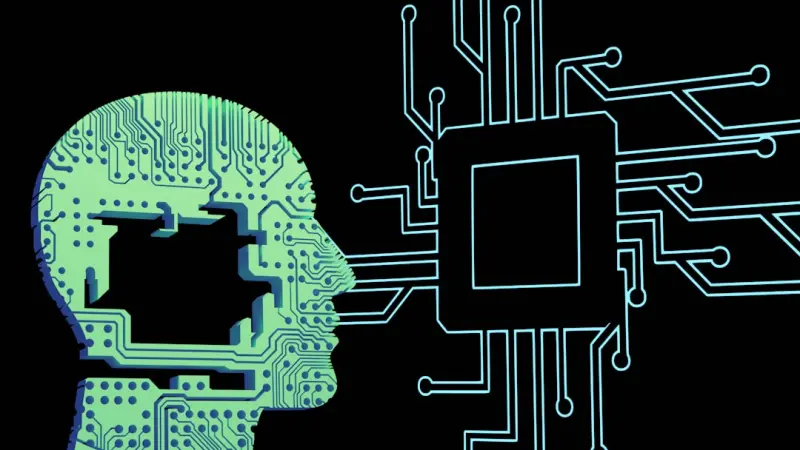
Imagine an algorithm that doesn’t just execute commands but quietly nudges you toward the next logical step in your day, as if it could read the subtle cues of your energy level, calendar gaps, and even the tone of your recent emails. This emerging breed of AI, which I like to call the “AI Whisperer,” is less about brute‑force automation and more about an intuitive, context‑aware partnership that learns the rhythm of your personal workflow. By turning raw data streams into soft, real‑time suggestions, it transforms the ordinary hustle into a fluid, almost conversational dance with technology.
Contextual Awareness as the Engine
At the heart of this whispering ability lies a network of passive sensors—your phone’s ambient light sensor, calendar metadata, and even the frequency of keyboard strokes—that feed a continuous stream of contextual signals into a lightweight model running on the edge of your device. Unlike traditional AI that requires explicit queries, this model interprets patterns such as a sudden drop in calendar density or an extended period of inactivity and proactively surfaces the most relevant micro‑task, be it a quick reply, a brief stretch, or a reminder to hydrate. The result is a system that anticipates needs before you consciously register them, reducing the friction that typically stalls momentum.
Behavioral Nudges That Feel Natural
What separates a helpful nudge from an annoying pop‑up is the application of behavioral economics principles—loss aversion, social proof, and the Zeigarnik effect—woven into the AI’s suggestion grammar. When the system frames a pending task as “the one thing you’ll feel good finishing before lunch,” it taps into intrinsic motivation rather than relying on blunt reminders. By customizing the tone and timing of each prompt to match your historical response patterns, the AI Whisperer creates a feedback loop that feels supportive, not controlling, and subtly reinforces productive habits over time.
Dynamic Scheduling in Motion
Traditional calendars are static blocks of time, but an AI Whisperer treats your day as a living organism, continuously reshuffling commitments to accommodate emergent priorities. If a client call runs longer than expected, the AI will automatically slide a low‑priority research slot to the afternoon, while preserving a buffer for creative work that you typically perform when your focus peaks. This fluid reallocation not only safeguards high‑value work but also prevents the cascade of stress that comes from a rigid schedule that can’t breathe.
Seamless Integration with Existing Tools
One of the most compelling aspects of this approach is its plug‑and‑play compatibility with the productivity stacks you already trust—whether it’s a project board in Trello, a note‑taking app like Notion, or a simple to‑do list in Todoist. By exposing a set of lightweight APIs, the AI Whisperer can pull tasks, deadlines, and status updates, then layer its adaptive suggestions on top without demanding a wholesale platform migration. This modular design respects the ecosystem you’ve built while subtly elevating its efficiency through continuous, context‑driven insights.
Guardrails Against Over‑Automation
While the promise of a constantly optimizing assistant is alluring, surrendering too much control can erode personal agency and raise serious privacy concerns, especially when sensitive data streams are involved. To mitigate these risks, the AI Whisperer incorporates transparent data handling policies, local‑first processing whenever possible, and clear opt‑out mechanisms for any feature that feels intrusive. By keeping the core decision‑making loop on your device and encrypting any cloud sync, you retain ownership of your information while still benefitting from the system’s adaptive intelligence.
Human‑in‑the‑Loop Checkpoints
Maintaining a healthy balance between assistance and autonomy requires deliberate “human‑in‑the‑loop” checkpoints where the AI pauses to seek explicit confirmation before executing higher‑impact changes, such as rescheduling a client meeting or reallocating budget resources. These checkpoints act as a safety net, ensuring that the system’s confidence scores are high enough to warrant automatic action and that you remain the ultimate arbiter of strategic decisions. By designing these moments as brief, frictionless dialogs, the AI Whisperer reinforces trust and prevents the creeping feeling of being micromanaged by code.
Learning Your Long‑Term Values
Beyond day‑to‑day task optimization, the next evolution of the AI Whisperer aims to align its recommendations with the deeper values that guide your life—whether that’s professional mastery, personal well‑being, or community contribution. By periodically prompting reflective inputs and correlating them with observed behavior, the system can weight suggestions that advance those overarching goals higher than routine chores. Over months, this value‑centric calibration transforms a generic productivity hack into a personalized compass that steers both short‑term actions and long‑term aspirations.
Getting Started with Low‑Code Whisperers
If the idea of a quiet, context‑aware assistant intrigues you, the good news is that you don’t need a Ph.D. in machine learning to build one. Platforms that offer visual workflow builders and pre‑trained models let you stitch together data sources, define nudging rules, and deploy the logic to your phone or browser in a matter of hours. For inspiration, check out the strategies outlined in Building a Digital Second Brain, which showcases how to turn everyday notes into actionable insights, and see how the same principles can power a personal AI Whisperer. Dive in, experiment, and let the subtle art of adaptive prompting become the silent engine that keeps your momentum alive.

Shawn DesRochers is a certified Microsoft technician and Programmer with 30+ year's experience. He has written many reviews on computer related products, software, and SEO related topics. When he's not writing reviews he can be found at one of the Oldest Directories Online Business Directory USA which he is the CEO of.
Related Posts

When AI Becomes Your Personal Accountability Coach
Imagine an AI that nudges you toward your goals, tracks progress, and offers real‑time feedback—... Read More

Prompt Engineering: The New Literacy for the AI Age
Prompt engineering is the emerging literacy that bridges human intent with AI output. Learn core ski... Read More

When AI Models Age: Guarding SaaS Against Drift and Decay
Model drift can silently undermine AI‑powered SaaS products. This guide shows how to embed detecti... Read More
Top Posts
Ambient Computing: The Invisible Tech Redefining Daily Life
Ambient computing is quietly slipping into our homes, streets, and bodies, turning everyday objects into smart assistants. Discover how this invisible tech resh...Read More

Reclaiming Rest: How Screen-Free Sleep Boosts Your Health
Learn how turning off screens before bed can reset your circadian rhythm, lower inflammation, and improve overall wellbeing with actionable tips for a healthier...Read More

Beyond the Pitch: Cultivating Community‑Driven Growth for SaaS
A community‑first approach turns customers into co‑creators, generating authentic advocacy, valuable insights, and sustainable growth—far beyond the limit...Read More

Rewiring Your Internal Clock: Harnessing Natural Light for Peak Health and Performance
Learn why natural light is the missing health lever for tech professionals and how to create a light‑first routine that enhances energy, focus, and well‑bei...Read More
0 Comments
Post Comment
You will need to Login or Register to comment on this post!