
Why Zero-Click Results Matter More Than Ever
When I first noticed the rise of featured snippets and answer boxes, I thought they were a nice bonus for users. Fast forward to today, and a single query can satisfy intent without a single click, leaving traditional rankings in the dust. This shift forces us to rethink SEO from “ranking” to “being the answer,” and it’s reshaping every metric we once trusted.
Understanding the Mechanics Behind Zero‑Click SERPs
The algorithms now prioritize structured data, concise language, and relevance signals that go beyond backlinks. By feeding Google clear entities and context, you increase the chance of appearing in a knowledge panel, carousel, or quick answer. The trick is to align your content with the exact phrasing users employ, which often means mirroring question formats and leveraging schema markup for precision.
Crafting Content That Wins the Zero‑Click Battle
My approach starts with a deep dive into search intent clusters, isolating the most common “how‑to,” “what‑is,” and “why‑does” queries in my niche. I then distill each cluster into a single, punchy paragraph that answers the question in under 40 words, embedding relevant keywords naturally. To reinforce authority, I supplement the answer with a semantic entity clustering diagram that Google can parse as visual data.
Leveraging Structured Data for Maximum Visibility
Schema.org isn’t just a technical add‑on; it’s the language that tells search engines which part of your page is the answer. I focus on FAQ, HowTo, and Recipe schemas, even when the content isn’t a literal recipe, because the markup expands the possibilities for rich results. Remember to validate with Google’s Rich Results Test to avoid hidden errors that can sabotage your zero‑click ambitions.
Optimizing for Featured Snippets and Answer Boxes
Featured snippets thrive on clear hierarchy: a bold heading, a concise paragraph, and a supporting list or table. I restructure existing articles to place the answer within the first 100 words, then back it up with a bulleted list or a short table that Google can lift directly. When you see a competitor’s snippet, reverse‑engineer its format and improve upon it—add a statistic, a citation, or a visual cue to outshine the original.
Measuring Success When Clicks Are No Longer the Goal
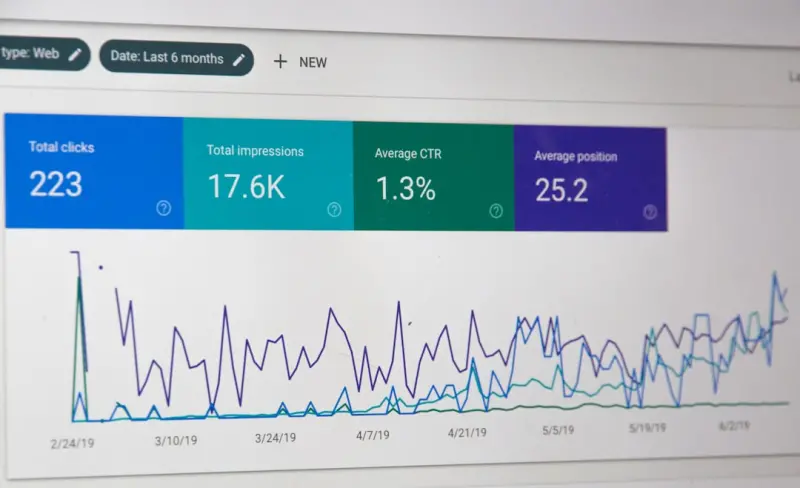
Traditional metrics like organic traffic and bounce rate lose relevance; instead, I track impression share, position zero rank, and brand lift through surveys. Google Search Console now provides a “Zero‑Click” column, which tells you how often your page appears without a click. Pair that data with assisted conversions to prove that brand visibility still drives downstream revenue.
Integrating Zero‑Click Tactics with Existing SEO Strategies
Zero‑click optimization doesn’t replace core SEO; it enhances it. I still conduct backlink outreach, but I prioritize linking to my answer‑focused pages to boost their authority. Internally, I cross‑link from longer‑form posts to the concise answer snippets, creating a funnel that guides users from a quick answer to deeper engagement. This synergy ensures that even if a user never clicks the snippet, they’ll encounter your brand elsewhere on the web.
Tools and Resources That Make Zero‑Click SEO Practical
There are a handful of tools that simplify the process: Answer the Public for question discovery, Screaming Frog for schema audits, and Surfer SEO for optimizing the exact word count that appears in featured snippets. I also rely on Ahrefs’ “SERP Features” report to monitor which queries are generating zero‑click results in my industry. By automating the data collection, you can focus on crafting the answer rather than hunting for it.
Future Outlook: Preparing for an Even More Autonomous SERP
As AI assistants become the primary gateway to information, the zero‑click model will evolve into conversational answers delivered via voice or chat. Positioning your content as a reliable source now means you’ll be the default “knowledge node” when these assistants pull data. Investing in high‑quality, structured answers today future‑proofs your brand against the next wave of search evolution.
Action Plan: 5 Steps to Dominate Zero‑Click Results
1. Audit your top‑performing pages for answer‑ready sections and add schema where missing.
2. Identify the top 10 intent‑based questions in your niche using tools like Answer the Public.
3. Rewrite each answer into a 40‑word paragraph, followed by a concise list or table.
4. Validate markup with Google’s Rich Results Test and monitor impressions in Search Console.
5. Repurpose the answers into micro‑content for social and email, reinforcing brand presence across channels.
By following this roadmap, you’ll turn the challenge of zero‑click SERPs into a competitive advantage that fuels brand authority and indirect conversions.

David Moore is a freelance writer specializing in two dynamic and ever-evolving fields: gambling and the tech industry. With a keen eye for detail and a knack for unraveling complex topics, David delivers insightful and engaging content that keeps readers informed and entertained.
Related Posts
Entity‑Driven SEO: Making Your SaaS Platform an Authority in Search
Entity‑driven SEO transforms the way SaaS companies are found online by connecting content to clea... Read More

SEO Experiments: A Data‑Driven Playbook for Sustainable Growth
Discover a step‑by‑step playbook for turning SEO tweaks into data‑backed experiments that boos... Read More

AI‑First Search: Positioning SaaS Brands for the Generative SERP
AI‑First Search transforms how search engines deliver answers, favoring structured, verifiable con... Read More
Top Posts

Micro‑Escapes: Mastering 24‑Hour City Adventures
Explore the rising trend of micro‑escapes with a step‑by‑step blueprint, tech tools, and real‑world examples that show how a single day can deliver deep...Read More

Unlocking Peak Brain Performance: The Science of Nutrient Timing for Knowledge Workers
Strategic nutrient timing aligns meals with your body’s circadian rhythms, turning everyday food into a performance boost. Learn the science, practical tools,...Read More

AI as the Hidden Mentor: Turning Data Into Everyday Guidance
AI isn’t just a tool—it can be a hidden mentor that nudges teams, personalizes upskilling, and streamlines compliance, turning data into everyday strategic ...Read More
Riding Google’s AI Wave: Rose DesRochers’ Insider Perspective on the 2024 Revolution
Rose DesRochers shares an insider’s view of Google’s AI surge, offering actionable strategies, ethical insights, and a roadmap to thrive in the 2024 AI-driv...Read More
0 Comments
Post Comment
You will need to Login or Register to comment on this post!