
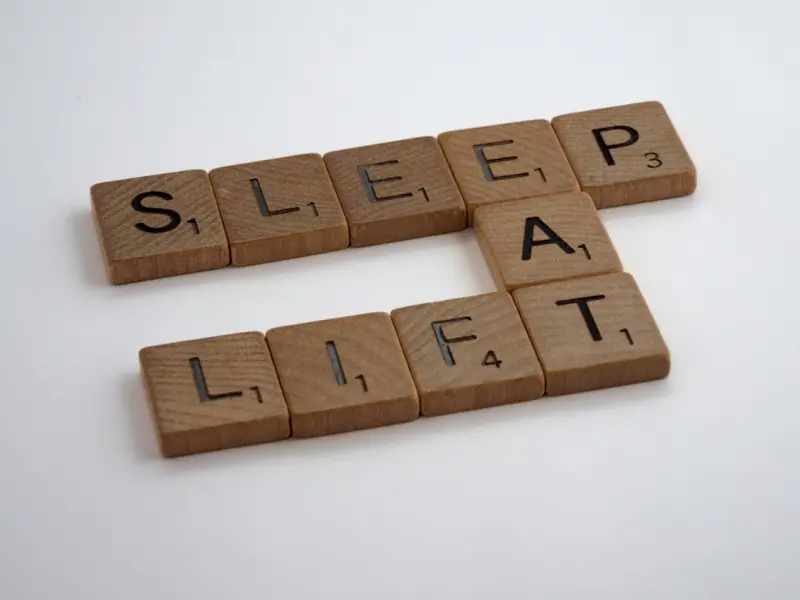
When I first started juggling back‑to‑back Zoom calls, a late‑night snack, and an endless stream of Slack notifications, I thought I was mastering the modern work‑life rhythm. Spoiler alert: I was merely running on fumes. It took a stubborn insomnia episode and a frantic search for “why am I so tired” to uncover a truth that’s been whispering in the scientific community for decades: sleep is the most potent productivity lever you’ll ever own.
Sleep Isn’t a Luxury; It’s a Business‑Critical Asset
Imagine your brain as a high‑performance server. Throughout the day it processes data, runs complex algorithms (think strategy meetings and creative brainstorming), and stores a flood of memories. At night, the server needs to reboot, clear caches, and run maintenance scripts. Skipping or shortchanging that nightly maintenance doesn’t just make you groggy—it degrades the very infrastructure that powers every decision you make.
Studies from leading sleep labs now show that a consistent 7‑9 hour window can boost problem‑solving speed by up to 30%, sharpen attention spans, and even improve emotional regulation. For a B2B SaaS leader, those percentages translate into faster product iterations, clearer client conversations, and a healthier bottom line.
The Science Behind the Snooze
Two main sleep stages matter most for cognitive performance: slow‑wave deep sleep and rapid eye movement (REM) sleep. Deep sleep is the brain’s housekeeping crew—clearing metabolic waste and consolidating declarative memories (facts, figures, code). REM sleep, on the other hand, is the creative studio where you synthesize disparate ideas into innovative solutions.
If you truncate either stage, you’ll notice:
- Reduced focus: Your ability to filter distractions plummets, leading to more time spent on low‑value tasks.
- Impaired decision‑making: The prefrontal cortex, the seat of rational thought, becomes less efficient.
- Emotional volatility: Small setbacks feel like catastrophes, and collaboration suffers.
In short, inadequate sleep isn’t just a personal health issue—it’s a strategic risk.
Why Traditional “Sleep Tips” Miss the Mark
Most advice you’ll find online boils down to “turn off screens an hour before bed” or “drink chamomile tea.” While those are nice gestures, they ignore three pivotal realities for the modern professional:
- Chronotype mismatch: Not everyone’s internal clock aligns with the 9‑to‑5 grind. Forcing a night‑owl into early mornings sabotages circadian rhythm.
- Stress spillover: High‑stakes meetings and looming deadlines create a cortisol surge that can keep the brain in “alert” mode, even after the lights are out.
- Environment inertia: Your bedroom is often a multi‑purpose space—office, gym, and sanctuary all rolled into one. The brain picks up on those mixed signals.
Addressing these layers requires a holistic approach, not a checklist.
Crafting a Sleep‑First Strategy: The Rose Method
Below is my personal, battle‑tested framework that turns sleep from an afterthought into a competitive advantage.
1. Diagnose Your Chronotype (and Respect It)
Take a quick digital detox of your morning alarm clock. If you constantly hit snooze, you’re likely a night‑owl forced into an early schedule. Instead of battling the tide, experiment with a “core‑hours” work block that aligns with your natural peak energy. Communicate this to your team; most modern workplaces are flexible enough to accommodate a 10‑am to 6‑pm window, freeing you to start your day after a full night’s rest.
2. Build a Pre‑Sleep Ritual That Beats Stress
Stress is the ultimate sleep‑killer. I’ve found a two‑step wind‑down that works wonders:
- Micro‑journaling (5 minutes): Write down three things you accomplished and three tasks for tomorrow. This offloads mental clutter.
- Targeted breathwork (3 minutes): Try the breathwork technique of 4‑7‑8 (inhale 4 seconds, hold 7, exhale 8). It activates the parasympathetic nervous system, signaling “it’s safe to sleep.”
3. Optimize the Sleep Environment Like a Pro
Think of your bedroom as a data center for your brain:
- Temperature: Aim for 65‑68°F (18‑20°C). Cooler temps boost melatonin production.
- Light: Eliminate blue light after sunset. Blackout curtains or a sleep mask help preserve darkness.
- Noise: White‑noise machines or earplugs can drown out the constant hum of a home office.
4. Leverage “Sleep‑Friendly” Technology
While I’m not a fan of the always‑on culture, some tools can actually enhance sleep hygiene. Consider a smart sleep tracker that monitors stages and gently wakes you during a light‑sleep window. The data isn’t meant to obsess you—it’s a feedback loop to fine‑tune habits.
5. Institutionalize Sleep in Company Culture
Great leaders champion their own well‑being, and that sets the tone. Here’s how you can embed sleep into the corporate fabric:
- “No‑Meeting” evenings: Block out 7‑9 p.m. on the company calendar to protect personal downtime.
- Education sessions: Host a quarterly wellness webinar featuring a sleep scientist.
- Performance metrics: Incorporate “focus hours” or “deep‑work blocks” rather than pure hours logged.
When the organization respects the biological need for rest, you’ll notice fewer burnout emails and more breakthrough ideas.
Sleep’s Ripple Effect on Health & Business Outcomes
Beyond cognitive sharpness, quality sleep influences three core health pillars that directly affect your professional life:
- Metabolic Health: Sleep deprivation disrupts insulin sensitivity, leading to energy crashes and cravings that sabotage nutrition goals.
- Immune Resilience: A well‑rested immune system wards off the colds that keep you out of the office—or worse, the “Zoom‑fatigue” syndrome.
- Mental Fortitude: Adequate REM sleep consolidates emotional memories, making you more resilient to stress and criticism.
Bottom line: Investing in sleep is a triple‑win—your mind, body, and business all thrive.
Case Study: A SaaS Startup That Prioritized Sleep
Last year, a mid‑size SaaS firm in Berlin piloted a “Sleep‑First” policy. They introduced a mandatory 30‑minute wind‑down window before the end of the day, offered a company‑wide sleep‑tracker subscription, and restructured sprint cycles to avoid late‑night releases. Within six months, they reported:
- 15% increase in sprint velocity (teams completed more story points).
- 20% reduction in bug turnaround time (clearer thinking meant fewer mistakes).
- Employee satisfaction scores rose by 25%, with many citing “better sleep” as a primary factor.
This isn’t a fluke. When physiological needs are met, the brain’s capacity to innovate and execute skyrockets.
Addressing Common Objections
“I can’t afford to sleep more; the work never ends.” The paradox is that short‑term overtime erodes long‑term productivity. Think of sleep as a high‑ROI investment: the more you pour in, the greater the output you reap.
“I’m not a night‑owl; I’m naturally an early bird.” Even early birds benefit from structured wind‑down rituals. The goal isn’t to shift your schedule drastically but to ensure the pre‑sleep period is calm, not chaotic.
“Technology distracts me; I need to be offline.” That’s where digital detox tactics come into play—schedule tech‑free windows rather than an all‑or‑nothing approach.
Practical 7‑Day Sleep Reset Plan
Ready to test the theory? Follow this week‑long roadmap:
- Day 1 – Baseline: Record your typical sleep time and quality using a simple journal.
- Day 2 – Light Control: Install a blue‑light filter on all devices after sunset.
- Day 3 – Temperature Tweak: Adjust bedroom thermostat to the optimal range.
- Day 4 – Breathwork Intro: Practice the 4‑7‑8 technique before bed.
- Day 5 – Chronotype Check: Identify if you’re a morning or evening type and shift work blocks accordingly.
- Day 6 – No‑Screen Hour: Replace scrolling with a paper book or gentle stretching.
- Day 7 – Review & Iterate: Compare your journal entries; note improvements and adjust.
By the end of the week, you should notice clearer focus, steadier mood, and a subtle but real boost in creative energy.
Conclusion: Sleep as Your Secret Weapon
In a world that glorifies hustle and multitasking, the most radical thing you can do is to stop and let your body do what it was designed to do—rest, recover, and reboot. Sleep isn’t a passive state; it’s an active, regenerative process that fuels the very qualities we prize in the SaaS arena: agility, insight, and relentless curiosity.
So, the next time you’re tempted to burn the midnight oil, ask yourself: “What could I accomplish if I woke up refreshed instead of exhausted?” The answer might just surprise you.

Related Posts

Listening to Your Body: A Playful Path to Lasting Health
A fresh take on health that swaps restrictive diets for curiosity, playful exercise, and deep listen... Read More

Micro‑Wellness at Work: Tiny Rituals for Massive Health Gains
A deep dive into micro‑wellness, exploring how tiny, intentional practices—like brief stretches,... Read More
Blue Light Management: A Practical Guide to Better Sleep and Daily Energy
Learn how to manage blue light, optimize your evening routine, and integrate low‑tech habits for d... Read More
Top Posts

How Traveling Turns Everyday Skills Into Superpowers
Travel isn’t just about sights; it’s a dynamic classroom that upgrades your adaptability, creativity, and networking—turning each journey into a powerful ...Read More

Micro‑Community Advocacy: The New Engine Behind B2B Lead Generation
Micro‑community advocacy leverages tight‑knit groups of industry professionals to generate high‑quality B2B leads, foster product innovation, and build la...Read More

Hydration Hacks for Remote Professionals: Boost Focus, Energy, and Immunity
A practical guide to using structured hydration as a performance tool, offering tips, routines, and measurable benefits for remote professionals....Read More

Seasonal Swaps: Smart Home Refreshes You Can Do on a Budget
A guide to affordable, seasonal home updates that cover lighting, textiles, décor, and functional tweaks, helping you keep every room feeling fresh and aligned...Read More
0 Comments
Post Comment
You will need to Login or Register to comment on this post!