
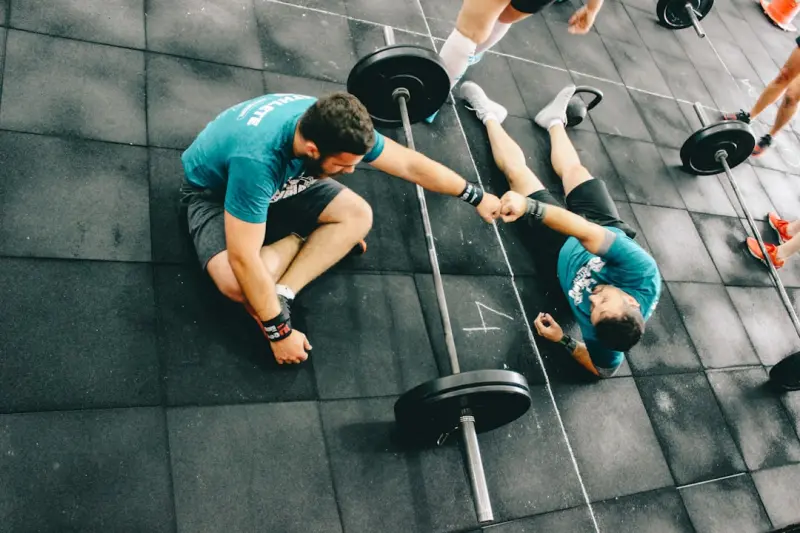
When I first moved to a bustling neighborhood five years ago, I thought the answer to my wellness goals lay in the latest app, the newest wearable, or the most hyped diet plan. What I discovered instead was something far more powerful—and far less digitized: the collective energy of people who chose to move, breathe, and grow together. This realization sparked a personal experiment that reshaped how I think about health, and it’s a story I’m eager to share.
The Missing Piece in Modern Wellness
Health advice today feels like a carousel of isolated recommendations: “Track your steps,” “Meditate for ten minutes,” “Eat more greens.” While each tip has merit, they often exist in a vacuum, disconnected from the social fabric that shapes our daily habits. Research consistently shows that humans are wired for community; our bodies respond to the rhythms of the groups we belong to. Yet the mainstream health narrative rarely taps into this intrinsic need. The result? A proliferation of “solo” solutions that can feel overwhelming, unsustainable, or simply lonely.
Community-Driven Fitness: A Definition
Community-driven fitness isn’t just a group yoga class or a running club; it’s a holistic ecosystem where neighbors, local businesses, and public spaces collaborate to make movement an effortless part of everyday life. Imagine a block that’s not only safe for children to play but also hosts spontaneous dance sessions, pop‑up obstacle courses, and bike‑share stations that feel as natural as the coffee shop on the corner. In this model, health becomes a shared responsibility, and the benefits ripple outward—boosting mental resilience, fostering social cohesion, and even uplifting local economies.
Why Local Networks Outperform Global Apps
Global health platforms excel at data aggregation, but they can’t replicate the nuanced trust that blooms in a neighborhood garden. When you see a familiar face cheering you on during a morning jog, the dopamine hit is real and immediate. This relational reinforcement drives consistency far more effectively than a push notification reminding you to stand up. Moreover, local networks can adapt quickly: a sudden rainstorm might inspire an indoor circuit at the community center, while a sunny afternoon invites a park‑wide stretch session.
Leveraging Technology Without Overload
While the heart of community fitness is human connection, technology can amplify its reach without drowning it in noise. Smart sensors placed in public spaces can monitor air quality, crowd density, and even the popularity of certain routes, feeding that data back to organizers to optimize schedules and routes. For instance, Edge AI can process this information locally, ensuring privacy while delivering real‑time insights that keep activities safe and enjoyable. The key is to use tech as a quiet facilitator, not a relentless overseer.
Personalized Nutrition at the Neighborhood Level
Nutrition often feels like a solitary quest, but it can thrive in a community context. Local farmers’ markets, community‑supported agriculture (CSA) programs, and cooking workshops turn dietary choices into shared experiences. By pooling resources, neighborhoods can negotiate better prices for fresh produce, making healthy eating more affordable. The science of personalized nutrition insights can be democratized through group screenings, where participants receive tailored advice based on simple, non‑invasive tests, then discuss meal planning together. This collective approach demystifies nutrition and builds a supportive environment where everyone feels accountable—and empowered.
From Data to Community Action
Data doesn’t have to be a solitary pursuit. Wearable metrics, when anonymized and aggregated, can reveal community health trends—like a spike in sedentary behavior after a major holiday. By sharing these insights through local newsletters or neighborhood apps, organizers can launch timely challenges (e.g., “30‑Day Step Sprint”) that address the specific needs of their area. A recent pilot in a midsized city used this approach, and the results were striking: participation rose by 45 % and average daily steps increased by 2,200 within three weeks. This is a practical demonstration of how wearable data can empower personal health on a neighborhood scale, without compromising privacy.
Practical Steps to Build Your Own Health Hub
- Map the Assets: Identify existing spaces—parks, libraries, vacant lots—that can host movement activities. Even a modest sidewalk can become a “slow‑run lane” with simple markings.
- Find Champions: Recruit enthusiastic locals—teachers, retirees, small business owners—who can lead sessions or coordinate events. Their passion fuels momentum.
- Start Small, Scale Fast: Launch a weekly 15‑minute stretch circle or a bi‑weekly walking group. Success breeds confidence, which encourages larger initiatives.
- Integrate Simple Tech: Use free tools like community calendars or QR‑code sign‑ups to streamline participation. If resources allow, explore low‑cost sensors for crowd flow analysis.
- Celebrate Wins Publicly: Highlight milestones—first 100 participants, a month without missed sessions—to reinforce community pride.
- Iterate Based on Feedback: Conduct quick surveys after each event. Adjust timing, location, or activity type to match the evolving preferences of your neighbors.
Case Study: The “Pulse of Oakridge” Initiative
In the suburban district of Oakridge, a group of parents grew frustrated with the lack of safe outdoor play areas for their kids. They convened a series of informal meet‑ups at the local park, each focused on a different activity—bike maintenance workshops, tai chi mornings, and “pop‑up” cardio circuits using portable equipment. Within six months, the park’s foot traffic doubled, local businesses reported a 20 % increase in sales on event days, and a community health survey showed a 15 % reduction in reported stress levels among participants.
What made “Pulse of Oakridge” succeed?
- It leveraged existing infrastructure—no expensive construction was needed.
- It fostered a sense of ownership; residents felt they were co‑creating their health environment.
- It used modest technology—a shared spreadsheet for scheduling and a free messaging app for reminders—keeping the focus on human connection.
The initiative now serves as a blueprint for neighboring towns, illustrating that scalable health solutions start with a single, sincere conversation.
The Long‑Term Vision: Health as a Shared Culture
When health is embedded in the rhythm of a community, it transcends the individual. Children grow up seeing movement as a social norm, adults develop lasting friendships that motivate them to stay active, and seniors find purpose in mentoring younger participants. This cultural shift can reduce the burden on healthcare systems by addressing the root causes of chronic disease—sedentary lifestyles, social isolation, and poor nutrition—through collective action.
Imagine a future where every block has a “health pulse”—a living indicator of how many residents walked, biked, or engaged in group exercise that day. City planners could use that data to allocate resources, schools could integrate community fitness into curricula, and local businesses could tailor services to match the health rhythm of their patrons. The vision is ambitious, but the building blocks are already in our neighborhoods; we just need the will to assemble them.
Getting Started Today
If you’re reading this and wondering how to jump in, begin with curiosity. Attend a local walking group, ask your city council about open‑space initiatives, or simply start a conversation with a neighbor about a shared fitness goal. The ripple effect of a single conversation can grow into a neighborhood movement that redefines health for generations to come.

Margaret Thomson is a seasoned freelance writer specializing in the dynamic worlds of marketing and advertising. With a career deeply rooted in the marketing field, Margaret brings a wealth of practical experience and insightful knowledge to her writing.
Related Posts
Cold Water Immersion: Unlocking the Hidden Health Benefits of the Ice Shower
Explore the science behind cold water immersion, its immune‑boosting power, mental resilience bene... Read More

Why Forest Bathing Is the Hidden Health Booster You Need
Explore the science and simple steps behind forest bathing, a nature‑based practice that strengthe... Read More

Why Eating with Your Body Clock Beats Any Diet Trend
Learn the science of chrononutrition and how timing your meals to your internal clock can transform ... Read More
Top Posts

Mastering Micro‑Moments: Real‑Time Strategies for Modern Marketers
Explore the rise of micro‑moments and how brands can capture real‑time intent with agile content, AI, and community‑driven strategies....Read More

Boost Your Home’s Comfort and Efficiency with Simple Science‑Backed Hacks
A comprehensive guide that uses everyday science to upgrade indoor air, light, sound, temperature zones, decluttering, and energy habits, delivering a more comf...Read More
Why Progressive Web Apps Are the SEO Game‑Changer You Need
Progressive Web Apps blend native app speed with web accessibility, delivering faster load times, higher engagement, and stronger SEO signals. Learn how to impl...Read More
Mastering the New SERP Landscape: From Snippets to AI Answers
A fresh take on SEO for the AI era: learn to win featured snippets, leverage visual search, and build resilient content clusters that thrive in today’s evolvi...Read More
0 Comments
Post Comment
You will need to Login or Register to comment on this post!