
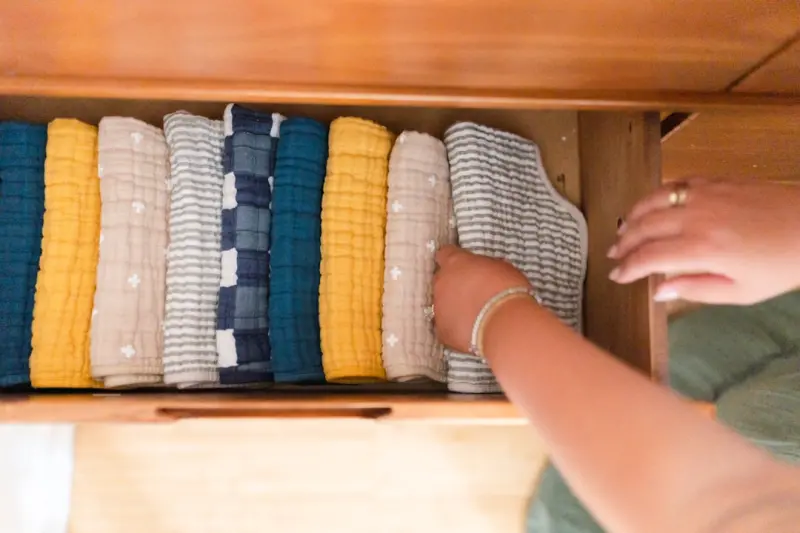
Imagine stepping off a night train in a city that smells of fresh rain and street‑food spices, only to realize you’ve got a perfectly curated wardrobe that can handle a snowstorm, a desert sunset, and a formal dinner—all without a suitcase the size of a small car. That’s the magic of a well‑designed capsule wardrobe for the modern nomad. It’s not just about packing light; it’s about reclaiming mental bandwidth, reducing decision fatigue, and turning every outfit change into a small, delightful ritual rather than a logistical nightmare.
Why a Capsule Wardrobe Matters for the Perpetual Traveler
Travel, at its core, is a series of micro‑decisions that stack up to define the overall experience. From choosing a seat on a flight to deciding whether to eat that street‑taco or the upscale restaurant, each choice consumes cognitive resources. A capsule wardrobe slashes one of the biggest decision trees: “What am I going to wear today?” By limiting options to a carefully selected set of interchangeable pieces, you free up mental energy for the truly memorable parts of travel—like striking up a conversation with a local artisan or finding that hidden rooftop bar.
Beyond mental clarity, there’s an ecological angle. The fashion industry accounts for roughly 10 % of global carbon emissions. When you travel with fewer garments, you’re directly contributing to a lower demand for fast‑fashion production, shipping, and waste. This aligns perfectly with the growing “responsible traveler” ethos that many of us are embracing without shouting about it on social media.
Building Your Ten‑Piece Toolkit
The sweet spot for most globe‑trotting professionals sits around ten versatile items. Here’s a sample framework that you can tweak based on climate, cultural norms, and personal style:
- Two neutral tops – think a high‑quality merino tee and a crisp linen button‑down. Both layer beautifully and resist odors.
- One lightweight sweater – a merino or cashmere piece that adds warmth without bulk.
- Two bottoms – a pair of slim‑fit chinos and a stretchy, wrinkle‑resistant travel pant.
- One versatile dress or jumpsuit – works for daytime exploring and can be dressed up for evening events.
- One outer layer – a packable, water‑resistant shell that doubles as a windbreaker.
- Three accessories – a scarf, a belt, and a pair of foldable shoes (one casual sneaker, one dressier leather shoe).
Every piece should meet three criteria: functionality, durability, and style neutrality. The goal is to create a wardrobe where each item pairs with at least three others, generating a combinatorial outfit matrix that feels endless despite the low count.
Packing Strategies for Every Climate
Travel isn’t linear; you might find yourself in a humid tropical market one day and a chilly alpine town the next. To bridge those extremes, consider the following tactics:
- Layer first, add later – Start with a moisture‑wicking base layer, then add a sweater or jacket as needed. Merino wool excels because it regulates temperature both up and down.
- Compression bags are your friend – Use lightweight, zip‑top compression sacks to shrink bulk without crushing the fabric’s natural breathability.
- Utilize dual‑purpose items – A scarf can double as a blanket on a cold train ride, or a sarong can become a beach cover‑up.
- Plan for laundry – Many hostels and boutique hotels offer self‑service laundry. If you can wash once a week, you can safely reduce the total count.
When you’re unsure about the weather, a quick check of Intent‑Driven Exploration tools can give you hyper‑local forecasts and even suggest outfit adaptations based on real‑time humidity and temperature data.
Maintenance on the Move
Keeping ten pieces pristine while hopping across continents is not as daunting as it sounds. Here are three low‑maintenance habits that keep your capsule fresh:
- Spot‑clean immediately – A travel‑size stain remover pen and a quick rinse with bottled water can prevent permanent marks.
- Air‑dry whenever possible – Hang garments in the bathroom while you shower; the steam helps eliminate odors.
- Rotate smartly – Alternate between your two tops and two bottoms each day to give fabrics time to “reset.”
By treating each piece as an investment rather than disposable clothing, you’ll find that the overall wear‑and‑tear rate drops dramatically. This longevity is the hidden ROI of the capsule system.
Case Study: A Week in Three Cities
Let’s walk through a realistic itinerary to see the capsule in action. Our traveler, Maya, spends three days in a coastal Mediterranean town, two days in a bustling Asian metropolis, and two days hiking in the highlands of South America.
Days 1‑3 – Mediterranean Coast: Maya layers the linen button‑down over a merino tee, pairs it with the chinos, and adds the lightweight sweater for cooler evenings. The scarf doubles as a beach cover‑up when she swaps the sweater for a quick dip in the sea.
Days 4‑5 – Asian Metropolis: The travel pants become the go‑to base for city walks, while the dress is dressed up with the belt and dress shoes for a rooftop dinner. The outer shell comes in handy for the occasional drizzle.
Days 6‑7 – Andean Highlands: The merino sweater and shell keep Maya warm during early‑morning treks, while the travel pants, now slightly dirt‑stained, serve as sturdy hiking gear. A quick wash in a hotel sink and a fast‑dry cycle leave the outfit ready for the next day.
Throughout the week, Maya never needed to unpack more than a single carry‑on. She spent less than 10 % of her travel budget on laundry and clothing replacements, and she reported feeling “light‑hearted” every morning because she never stared at a packed suitcase wondering what to wear.
Digital Tools That Complement Minimalist Packing
Technology can amplify the benefits of a capsule wardrobe. Here are three apps and services that mesh beautifully with a minimalist travel philosophy:
- Outfit‑Planner AI – Upload photos of your ten items; the algorithm suggests daily combinations based on weather forecasts and your calendar events.
- Local Laundry Marketplace – Platforms that connect travelers with vetted, eco‑friendly laundromats can reduce the need for extra clothing.
- Travel‑as‑Service – While the Travel as a Service model focuses on subscription‑based itineraries, it also offers “wardrobe‑swap” lounges in select hubs where you can exchange garments with fellow travelers, extending the life of each piece.
These tools don’t replace the core principle of owning less; they simply make the “less” work even harder for you.
The Psychological Edge of Dressing Light
There’s a subtle, often overlooked psychological benefit to wearing fewer, well‑chosen pieces: the feeling of control. When you know that every item in your bag has a purpose, you experience a sense of mastery over your environment. This feeling translates into greater confidence when navigating unfamiliar streets, negotiating with local vendors, or presenting yourself in a professional meeting abroad.
Research in behavioral economics suggests that decision fatigue can impair judgment by up to 30 %. By removing clothing as a variable, you preserve cognitive resources for high‑impact decisions, like choosing which cultural experience to prioritize or how to allocate your travel budget.
Conclusion: Less Is the New Luxury
In a world that constantly pushes us toward accumulation—more souvenirs, more gadgets, more “must‑see” attractions—a ten‑piece capsule wardrobe offers a quiet rebellion. It’s a declaration that you value experiences over possessions, that you trust your own taste enough to wear the same pieces in wildly different contexts, and that you’re willing to invest in quality over quantity.
If you’ve ever felt bogged down by an overflowing suitcase, consider this your invitation to try the nomadic capsule. Start with a single neutral top, test the interchangeability, and gradually build your collection. You may discover that the lightness you gain in your bag mirrors a newfound lightness in your mind, making every journey not just a trip, but a purposeful, mindful adventure.

Sanji Patel has dedicated 25 years to the SEO industry. As an expert SEO consultant for news publishers, he emphasizes providing both technical and editorial SEO services to news publishers worldwide. He frequently speaks at conferences and events globally and offers annual guest lectures at local universities.
Related Posts
Beyond the Airport: How Microadventures Rewire Our Sense of Home
Microadventures—short, local trips that fit into a busy schedule—are redefining travel. This pos... Read More

Turning Business Travel Into a Learning Expedition: Strategies for Real‑World Insight
Treat each business trip as a live research lab: gather on‑ground insights, turn idle moments into... Read More

Flavor Trails: Turning Every Meal Into a Travel Story
Explore a fresh travel approach that centers on local cuisine, turning each meal into a vivid cultur... Read More
Top Posts

Why Structured Data Is the Secret Weapon for B2B SaaS SEO
Structured data can transform how your SaaS product appears in search, delivering rich snippets, higher click‑through rates, and better lead quality. This gui...Read More

SEO as a Living Conversation: Turning Search Into Real‑Time Dialogue for SaaS
Learn why modern SEO for SaaS is a continuous dialogue, not a one‑time task. Explore intent mapping, structured data, community leverage, and a practical expe...Read More

Riding Google’s 2024 AI Wave: Rose DesRochers Shares Her Insider Playbook
Rose DesRochers reveals her hands‑on playbook for thriving in Google’s 2024 AI search wave, offering actionable tactics, real‑world case studies, and a gl...Read More

Turning Up the Volume: Why Audio‑First Strategies Are the Future of Digital Marketing
Audio is no longer a side channel; it’s the new frontline of digital marketing. This article reveals how to craft authentic audio experiences, measure success...Read More
0 Comments
Post Comment
You will need to Login or Register to comment on this post!