

Why Structured Data Is No Longer Optional in Modern SEO
When search engines evolved from simple keyword matchers to sophisticated intent interpreters, the semantic backbone of a page became as crucial as the visible copy. Structured data, delivered through schema.org markup, acts like a concise résumé that tells crawlers exactly what your content represents—whether it’s a product, a recipe, an event, or a local business. Without this explicit language, algorithms must infer meaning, a process prone to error and often resulting in missed opportunities for enhanced SERP features. In my experience, sites that embraced schema early saw measurable lifts in click‑through rates, because Google could surface rich snippets that answered user queries before they even clicked.
Core Schema Types That Deliver Immediate Value
The first step is to identify the most impactful schema types for your niche. Human‑First AI Content showcases how Article and BlogPosting schemas can highlight author expertise and publish dates, feeding credibility signals directly to the results page. For e‑commerce sites, Product, Offer, and Review schemas unlock price, availability, and rating data, which often appear as product cards that outrank plain listings. Local enterprises benefit from LocalBusiness and GeoCoordinates, enabling map packs and voice assistants to pinpoint them instantly. By mapping these core types to your existing content, you lay a foundation that search engines can instantly recognize and reward.
Implementing Schema Without Overcomplicating Your Workflow
Many marketers fear that adding markup will balloon development time, but modern tools make the process almost frictionless. JSON‑LD, the preferred format, can be injected via a simple script tag placed in the page head, keeping the HTML clean and separating data from presentation. Content Management Systems like WordPress now offer plugins that auto‑generate schema based on post metadata, while headless setups can pull schema fragments from a centralized repository during build time. The key is to adopt a modular approach: define a master schema template for each content type, then populate dynamic fields—title, image, price—through variables. This strategy reduces redundancy and ensures consistency across thousands of pages, which is essential for large sites aiming for scale.
Testing, Validation, and Ongoing Maintenance
Deploying markup is only half the battle; you must verify that search engines read it correctly. Google’s Rich Results Test and the Schema Markup Validator are free tools that parse your JSON‑LD and flag syntax errors or missing required properties. It’s advisable to integrate these checks into your CI/CD pipeline, catching issues before they reach production. Moreover, schema evolves—new types appear, and existing ones get deprecated—so schedule quarterly audits to align your markup with the latest recommendations. Maintaining an up‑to‑date schema inventory also aids cross‑team communication, ensuring developers, marketers, and SEO specialists speak the same language when discussing page enhancements.
Impact on SERP Features: From Rich Snippets to Knowledge Panels
When correctly implemented, structured data can propel your pages into premium SERP real estate that commands attention. Rich snippets, such as star ratings for reviews or price tags for products, increase visibility and improve click‑through rates by up to 30% in competitive industries. More advanced features—FAQs, How‑To steps, and even Knowledge Graph panels—draw directly from schema markup, positioning your brand as an authority on the topic. For example, a well‑structured FAQPage can appear as an accordion that answers multiple user queries on the same page, reducing bounce rates and signaling relevance to Google’s algorithm.
Case Study: Scaling Schema Across a Multi‑Brand Portfolio
A recent project involved a conglomerate with ten distinct e‑commerce brands, each with thousands of product pages. By developing a unified JSON‑LD template that pulled brand‑specific attributes from a central API, we rolled out Product and AggregateRating markup across the entire catalog in under two weeks. The result was a 22% surge in organic impressions and a 15% increase in conversion rate, attributed to the emergence of product rich cards in Google’s top results. This success story underscores how a systematic, scalable approach to schema can generate measurable ROI without requiring bespoke development for every brand.
Future Trends: Structured Data Meets Generative AI
As search engines integrate generative AI models, the demand for precise, machine‑readable data will only intensify. Google’s Predictive Intent Clustering initiative hints at a future where AI assembles answers from multiple structured sources, rewarding sites that provide clean, comprehensive markup. Anticipate the rise of Auto‑Generated Schema tools that analyze page content and suggest the most relevant types, while also preparing for emerging schema extensions that capture AI‑generated insights, such as provenance metadata for generated text. Staying ahead means not only implementing today’s standards but also building a flexible architecture that can adapt to tomorrow’s AI‑driven SERP dynamics.
Actionable Checklist for Immediate Implementation
- Audit existing pages to identify high‑value content types (articles, products, events).
- Choose appropriate schema.org types and create JSON‑LD templates for each.
- Leverage CMS plugins or headless pipelines to inject markup automatically.
- Run every new page through Google’s Rich Results Test before publishing.
- Set up a quarterly review process to update schemas with new types.
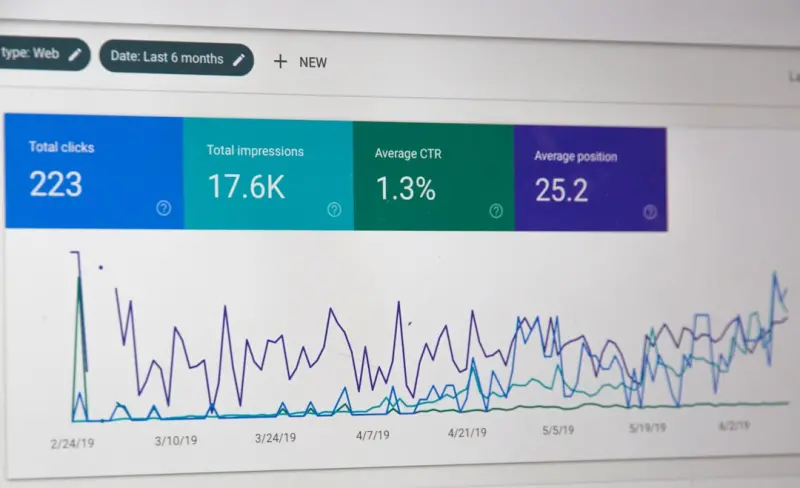
- Monitor performance metrics: impressions, CTR, and rankings for rich result pages.
By following this checklist, you can transform your site from a plain list of keywords into a rich, semantically empowered resource that speaks directly to both users and search engines.
Final Thoughts: Structured Data as a Competitive Differentiator
In a landscape where content quality alone no longer guarantees top placement, structured data offers a clear, actionable lever to differentiate your brand. It bridges the gap between human‑crafted narratives and machine interpretation, ensuring that the value you embed in your pages is fully recognized by modern search algorithms. Embrace schema not as a technical afterthought, but as a core component of your SEO strategy, and watch your visibility—and business outcomes—rise in tandem with the next generation of search experiences.

Dale Peterson is a freelance writer with a passion for technology, travel, law and personal finance. With 10 years of experience crafting compelling and informative content, he's dedicated to delivering high-quality writing for Blogging Fusion that engages audiences and achieves specific goals.
Related Posts
How Voice Search Is Redefining SaaS SEO Strategies
Voice assistants are now primary discovery tools for B2B professionals. This post explains how SaaS ... Read More

Zero‑Click Search: Win Without a Click
Zero‑click search is reshaping how SaaS brands capture buyer attention. This post reveals practica... Read More

Unlocking the Power of Visual Search: A Fresh SEO Playbook
Learn to harness visual search by optimizing images, videos, and structured data, turning every visu... Read More
Top Posts

A Nature‑Infused Desk: Small Steps to Big Health Gains
A nature‑infused workstation blends greenery, natural light, and organic textures to lower stress, improve focus, and enhance physical health—simple tweaks ...Read More

Community‑First Marketing: Harnessing Video, Trust Data, and Real Connections
Explore how shifting to a community‑first mindset, leveraging short‑form video, and respecting first‑party data can transform your digital marketing into ...Read More

Beyond the Desk: Mastering the Digital Nomad Hub Experience
Explore the art of selecting and thriving in digital nomad hubs, from community building to sustainable routines, and future‑proof your remote work lifestyle....Read More

Navigating Google’s AI Wave: Rose DesRochers’ Insider Playbook for 2024
Rose DesRochers shares an insider’s playbook for thriving in Google’s AI‑driven search era, offering actionable steps to adapt content, link building, and...Read More
0 Comments
Post Comment
You will need to Login or Register to comment on this post!