

The Quiet Revolution: Why Audio‑First Is the Next Frontier for B2B SaaS Marketers
When most people think about “digital marketing,” the first images that come to mind are flashy banner ads, SEO‑driven blog posts, or the latest TikTok trend. Yet a quieter, more intimate medium is gaining traction among decision‑makers who value depth over distraction: audio. From on‑demand podcasts to voice‑activated assistants, audio content is slipping into the daily routines of busy executives, and savvy B2B SaaS marketers are learning how to meet them there.
Why Audio Resonates With B2B Audiences
Unlike static text, audio creates a personal, human connection without demanding the full visual attention that a video or a complex dashboard requires. Executives often listen while commuting, exercising, or handling low‑cognitive‑load tasks. This multitasking-friendly format lets them absorb nuanced insights, industry stories, and product demos while staying productive.
Research shows that audio retention rates are higher than reading for many professionals. The human brain processes spoken language through both the auditory and limbic systems, reinforcing memory and emotional impact. For SaaS vendors, that means an opportunity to embed brand narratives, use‑case anecdotes, and thought‑leadership in a way that feels like a trusted conversation rather than a sales pitch.
Three Pillars of an Audio‑First Strategy
Building an effective audio presence isn’t about recording random chatter and hoping it sticks. Successful programs rest on three interlocking pillars: Content Architecture, Distribution Intelligence, and Performance Measurement.
1. Content Architecture: From Mini‑Episodes to Deep Dives
Start by mapping out a content hierarchy that aligns with your buyer’s journey:
- Micro‑Insights (2‑5 minutes): Quick tips, product updates, or industry headlines that can be consumed in a coffee break.
- Thought‑Leadership Episodes (15‑30 minutes): Interviews with industry influencers, case studies, or panel discussions that dive into strategic challenges.
- Audio‑Guided Demos (5‑10 minutes): Narrated walkthroughs of new features, paired with screen‑share recordings. These work especially well when embedded in onboarding emails.
Each piece should have a clear call‑to‑action—whether it’s a link to a whitepaper, a signup for a live webinar, or an invitation to a product trial. Consistency in format and publishing cadence builds listener expectations and trust.
2. Distribution Intelligence: Meeting Audiences Where They Are
Audio consumption happens across a fragmented ecosystem. To capture attention, you must be present on multiple channels:
- Podcast Platforms: Apple Podcasts, Spotify, Google Podcasts—these are the primary discovery hubs for long‑form content.
- In‑App Audio: Embedding short audio clips within your SaaS platform’s dashboard or help center can turn passive users into engaged listeners.
- Voice Assistants: Optimizing for Alexa, Google Assistant, or Siri enables users to ask “What are the latest trends in X?” and receive a concise audio response drawn from your knowledge base.
- Social Snippets: Bite‑sized audio teasers on LinkedIn or Twitter can drive traffic back to the full episode.
When you think about distribution, treat each channel as a trust‑centric data strategy. Capture listener consent, track engagement metrics, and respect privacy—especially as you build advocacy loops that encourage users to share episodes within their networks.
3. Performance Measurement: From Listens to Leads
Audio analytics have matured beyond simple “download count.” Modern platforms provide:
- Completion Rates: Indicates content relevance; a low completion suggests the topic or length mismatched listener expectations.
- Engagement Heatmaps: Pinpoint moments when listeners rewind or skip forward—golden data for refining messaging.
- Listener Demographics: Job titles, industry segments, and geographic data help you segment audiences for targeted nurture streams.
- Conversion Attribution: Tie audio clicks (e.g., “download the guide”) back to CRM records to quantify ROI.
Integrate these metrics with your existing marketing automation platform. For example, a listener who completes a deep‑dive episode on “Scaling SaaS Security” could be auto‑enrolled in a drip campaign that surfaces a related case study and an invitation to a product sandbox.
Case Study: Turning Podcast Listeners Into Product Champions
One mid‑size SaaS company launched a weekly “Security Spotlight” podcast aimed at CTOs and security leads. Over six months, they:
- Produced 24 episodes, each averaging 20 minutes.
- Leveraged AI‑enhanced search tactics to transcribe episodes and optimize for long‑tail voice queries.
- Embedded short audio clips inside their product’s “Help Center,” resulting in a 15% increase in self‑service resolution rates.
- Tracked a 3.2x lift in MQL conversion among listeners who completed at least 75% of an episode.
Key takeaways:
- Align topics with buyer pain points. Security is a high‑stakes concern for SaaS buyers; addressing it directly built credibility.
- Cross‑promote across owned channels. Email newsletters highlighted new episodes, and the product UI surfaced relevant clips at moments of need.
- Use data to iterate. Episodes with lower completion rates prompted the team to tighten intros and add more actionable takeaways.
Best Practices to Avoid Common Pitfalls
While audio offers a low‑friction entry point, there are traps that can undermine effectiveness:
- Over‑Production: Fancy sound effects can distract from the message. Prioritize clear, concise audio over cinematic flair.
- Neglecting Accessibility: Provide transcripts for those who prefer reading or for compliance reasons. Transcripts also double as SEO content.
- One‑Size‑Fits‑All Distribution: Not every executive uses podcasts. Test multiple channels and monitor which drives the highest qualified traffic.
- Ignoring Data Privacy: Treat audio listener data with the same rigor as web analytics. Obtain consent and give users control over their preferences.
Integrating Audio With Existing Marketing Mix
Audio should complement—not replace—your current tactics. Here’s a quick integration map:
| Channel | Audio Integration Point |
|---|---|
| Content Marketing | Convert blog posts into micro‑episodes; embed audio summaries in newsletters. |
| SEO | Optimize episode titles and transcripts for voice queries; use structured data to surface podcasts in Google’s “Audio” carousel. |
| Paid Media | Run audio ads on streaming platforms targeting specific industries or job titles. |
| Account‑Based Marketing (ABM) | Send personalized audio messages (e.g., “Hey Jane, here’s a quick run‑through of how X can solve your Y challenge”). |
| Events | Record keynote sessions and release them as on‑demand podcasts; create post‑event audio recaps. |
The Future: AI‑Driven Audio Personalization
Artificial intelligence is already reshaping how audio content is created and delivered. Emerging tools can:
- Generate dynamic voiceovers tailored to individual listener profiles, adjusting tone and emphasis based on buyer persona.
- Summarize long episodes into 60‑second highlights, perfect for quick LinkedIn shares.
- Detect sentiment in real‑time, allowing sales reps to prioritize leads who express high enthusiasm during a podcast.
When combined with the trust‑centric data strategies you already employ, AI can turn a generic podcast library into a hyper‑personalized learning hub that reacts to each prospect’s unique journey.
Getting Started: A 30‑Day Action Plan
- Audit Existing Content: Identify blog posts, whitepapers, or webinars that can be repurposed as audio scripts.
- Choose a Pilot Format: Start with a 5‑minute “quick tip” series to test production workflow and audience response.
- Set Up Analytics: Integrate podcast platform data with your CRM to capture listener behavior.
- Publish and Promote: Release the first episode on two major podcast platforms and embed the audio in a targeted email campaign.
- Measure and Iterate: After two weeks, review completion rates, click‑throughs, and MQL conversion. Refine content length, tone, and distribution channels based on findings.
By the end of the month, you’ll have a baseline performance metric and a clear direction for scaling up.
Conclusion: Listening Is the New Speaking
In a world where inboxes are overflowing and attention spans are fragmented, audio offers a rare space for genuine connection. When executed with strategic intent—aligned content, thoughtful distribution, and data‑driven optimization—audio can become a powerful engine for brand authority, lead generation, and customer advocacy in the B2B SaaS arena. The quiet revolution is already underway; the question is whether you’ll tune in or stay silent.

In the world of freelance writing, where creativity and adaptability are paramount, Michelle Fisher stands out as a dedicated and versatile professional. With a passion for crafting compelling narratives and a keen eye for detail, Michelle has established herself as a trusted voice.
Related Posts

Beyond Clicks: Immersive Experiences That Redefine B2B Digital Marketing
Immersive technologies like AR and VR are reshaping B2B digital marketing by turning static demos in... Read More
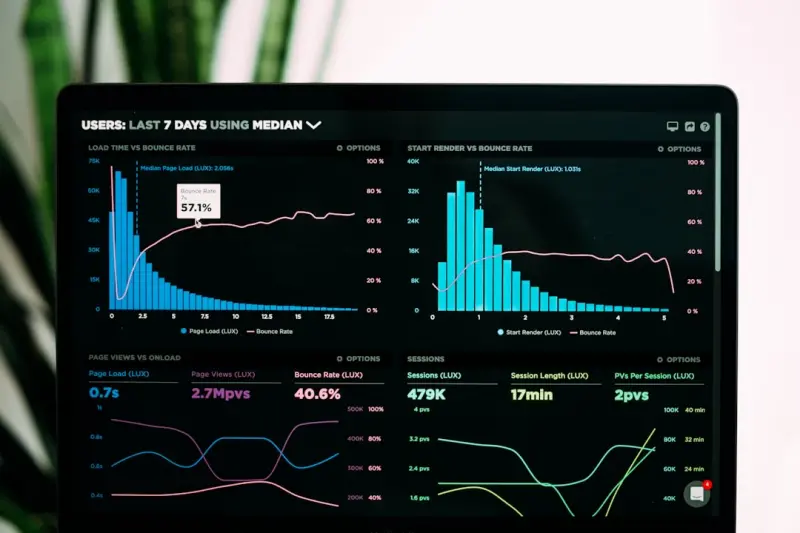
Privacy‑First Marketing: Turning Data Constraints into Creative Wins
In a world without third‑party cookies, marketers can turn privacy constraints into a competitive ... Read More
Privacy‑First Personalization: The Growth Engine B2B Marketers Can’t Ignore
A deep dive into privacy‑first personalization shows why respecting consent and leveraging firstâ€... Read More
Top Posts

SEO Strategies for API‑First SaaS Platforms
Discover a fresh SEO playbook tailored for API‑first SaaS, covering intent mapping, micro‑page creation, structured data, internationalization, and AI‑rea...Read More

Turning Every Trip Into a Personal Insight Engine
Learn how to treat travel as a data‑driven personal insight engine, using zero‑party data, AI strategists, and purposeful reflection to turn every journey i...Read More

AI‑Powered Emotional Analytics: Turning Data Into Storytelling Gold
Explore the power of AI‑enabled emotional analytics to craft stories that resonate, boost conversions, and keep brand authenticity at the forefront....Read More

Breathing Life into Remote Work: Simple Practices for Sustainable Well‑Being
Remote work can drain energy and focus, but simple breathing exercises and micro‑stretch routines can restore vitality. Karen Edwards shares evidence‑based ...Read More
0 Comments
Post Comment
You will need to Login or Register to comment on this post!