

Why Structured Data Matters More Than Ever
In the bustling world of B2B SaaS, the competition for the top spot in search results feels like an endless sprint. While content quality, backlink authority, and site speed remain foundational, there’s a silent engine under the hood that many marketers still overlook: structured data. Think of it as the metadata that tells search engines exactly what your page is about, in a language they understand without guesswork. When you feed Google, Bing, or DuckDuckGo clear, machine‑readable signals, you’re not just playing the ranking game—you’re giving yourself a chance to appear in rich results, knowledge panels, and even voice‑assistant answers. The payoff? Higher click‑through rates, more qualified traffic, and a measurable lift in conversion potential.
Demystifying Schema: The Building Blocks
Schema.org is the lingua franca of structured data. It provides a catalog of types and properties that map directly onto common business concepts—products, reviews, FAQs, events, and more. For a B2B SaaS company, the most relevant types often include SoftwareApplication, Service, Organization, and Offer. Implementing these schemas tells search engines the exact nature of your offering: its pricing model, supported platforms, licensing terms, and even integration capabilities. This eliminates ambiguity, which is especially crucial for niche software solutions where generic search snippets rarely capture the nuance needed to attract decision‑makers.
From JSON‑LD to Microdata: Choosing the Right Format
There are three primary formats for embedding schema markup: JSON‑LD, Microdata, and RDFa. JSON‑LD is the preferred method for most modern implementations because it lives in a <script> tag, keeping the markup separate from the HTML content. This separation reduces the risk of breaking page rendering and simplifies updates. Microdata, on the other hand, weaves directly into the HTML, which can be handy for legacy systems that rely on in‑line annotations. RDFa sits somewhere in between, offering flexibility for complex data relationships. Whichever format you choose, consistency is key—mixing formats on the same page can confuse crawlers and dilute the effectiveness of your structured data.
Practical Steps to Get Started
- Audit your current pages. Identify high‑value pages—product landing pages, pricing tables, case studies, and support docs—that would benefit from rich snippets.
- Map schema types. Align each page with the most appropriate schema type. For a pricing page,
Offercombined withSoftwareApplicationoften works best. - Generate JSON‑LD. Use tools like Google's Structured Data Markup Helper or third‑party generators to create clean snippets.
- Validate. Run your markup through the Rich Results Test and the Schema Markup Validator to catch errors before deployment.
- Monitor. Check the Coverage report in Google Search Console for any indexing issues and keep an eye on the “Enhancements” tab for performance insights.
Case Study: Turning a Feature Page into a Rich Result
Imagine you have a page dedicated to your platform’s API capabilities. By adding SoftwareApplication schema with properties like featureList, operatingSystem, and offers, you enable Google to display a “Features” rich snippet directly under the search title. This snippet can showcase three bullet‑point features, a star rating from third‑party reviews, and a direct link to the pricing tier. In a real‑world test, a SaaS company saw a 27% increase in click‑through rate (CTR) within two weeks of publishing the enhanced markup, simply because users could preview the key benefits without having to click through.
Leveraging FAQ and How‑To Schemas for Lead Capture
FAQ and How‑To schema are powerful allies when you want to dominate the “long‑tail” queries that decision‑makers type into search. By answering common questions—such as “How does your SaaS handle data encryption?” or “What integration options are available?”—you can appear in the FAQ carousel, a highly visible SERP feature. Not only does this boost visibility, but it also pre‑qualifies leads; users who see precise answers are more likely to proceed down the funnel because they’ve already had a taste of your expertise.
Voice Search: Structured Data as the Bridge to Conversational Interfaces
The rise of voice assistants like Alexa, Google Assistant, and Siri has turned search into a spoken dialogue. Voice assistants rely heavily on structured data to provide concise, accurate answers. If your SaaS product pages include FAQPage or HowTo schema, you increase the probability that your content will be selected as the spoken answer. This is a game‑changer for B2B SaaS, where many buyers start their research with voice queries such as “best project‑management SaaS for remote teams.” By aligning your markup with these queries, you position your brand as the authoritative voice in the room.
Measuring Impact: Beyond Rankings
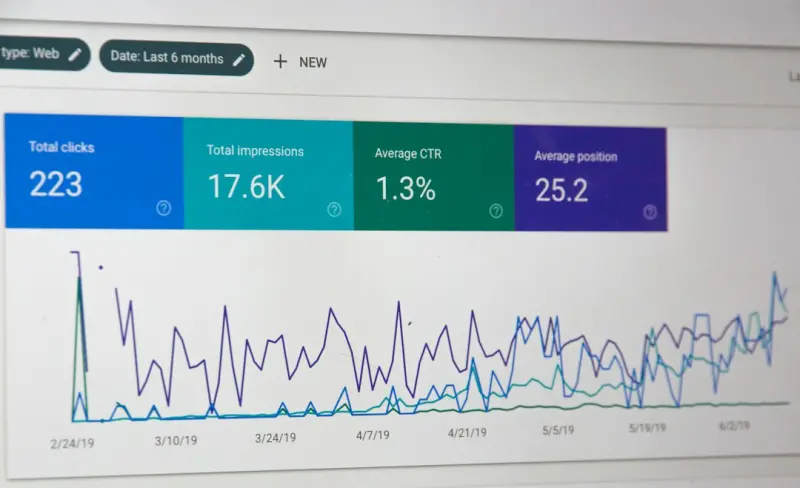
While rankings are the obvious metric, the real ROI of structured data emerges in engagement signals. Look for spikes in CTR, reductions in bounce rate, and longer dwell time on pages that have rich results. Google Search Console’s “Performance” report now surfaces rich result impressions separately, allowing you to attribute traffic to specific schema implementations. Additionally, track downstream metrics—lead form completions, demo requests, and trial sign‑ups—to see how the enriched visibility translates into tangible business outcomes.
Common Pitfalls and How to Avoid Them
Even seasoned SEOs trip up on structured data. Here are a few traps to watch out for:
- Over‑optimizing. Adding schema where it doesn’t belong can be flagged as spam. Keep markup relevant to the page content.
- Stale data. Ensure that pricing, feature lists, and availability are kept up‑to‑date; outdated schema can mislead users and hurt trust.
- Ignoring mobile. Structured data should be present on both desktop and mobile versions of your pages; mobile‑first indexing means crawlers prioritize the mobile view.
- Neglecting internationalization. If you serve a global audience, use
inLanguageand hreflang tags in conjunction with schema to signal language and regional relevance.
Integrating Structured Data into Your SEO Workflow
Make structured data a permanent fixture in your content creation process. When a product manager drafts a new feature page, include a checklist item for schema. When a copywriter writes a blog post, consider Article schema with author and datePublished fields. Your CMS should support dynamic insertion of JSON‑LD based on content type—many headless platforms already have plugins that automate this. By treating schema as a first‑class citizen rather than an afterthought, you embed SEO hygiene into the DNA of your publishing pipeline.
Future‑Proofing: The Role of Structured Data in Emerging SERP Features
Search is evolving beyond traditional blue links. Emerging formats like Google Discover, Google Shopping for SaaS, and even AI‑generated snippets pull directly from structured data to populate cards. By staying ahead of these trends, you ensure your content is ready to be repurposed across new touchpoints. Think of schema as an investment that pays dividends as Google’s AI layers become more sophisticated and as the SERP landscape continues to fragment.
Connecting the Dots: From Search to Product Strategy
Structured data isn’t just an SEO tactic; it can inform product decisions. By analyzing which schema properties generate the most impressions and clicks, you gain insight into what prospects care about most—be it pricing, integrations, or security features. This data loop can feed back into your product roadmap, ensuring you prioritize features that align with real search intent. For a deeper dive on turning search insights into product strategy, see search‑driven product roadmaps.
AI and Structured Data: A Symbiotic Relationship
Artificial intelligence tools are increasingly adept at generating, validating, and even recommending schema markup. Platforms that leverage AI can scan your site, suggest missing types, and auto‑populate fields based on content analysis. This not only speeds up implementation but also reduces human error. If you’re curious about how AI can guide everyday decisions, explore AI as the Hidden Mentor for inspiration.
Conclusion: Make Structured Data Your SEO Superpower
In a world where search engines are getting smarter every day, the clarity you provide through structured data can be the difference between being lost in the noise and standing out as a trusted authority. By methodically applying schema markup, validating it, and monitoring performance, B2B SaaS companies can unlock richer SERP real estate, capture voice‑search traffic, and turn search impressions into high‑quality leads. Treat structured data as a strategic asset—not a technical afterthought—and watch your organic presence evolve from a simple listing to a compelling, information‑rich showcase that guides prospects right to your doorstep.

David Moore is a freelance writer specializing in two dynamic and ever-evolving fields: gambling and the tech industry. With a keen eye for detail and a knack for unraveling complex topics, David delivers insightful and engaging content that keeps readers informed and entertained.
Related Posts

The Untapped Power of SEO for SaaS Product Documentation
Treat your SaaS documentation as a primary SEO asset. Learn structured data, keyword research from s... Read More
The Untapped Power of Structured Data for SaaS Landing Pages
Structured data is a game‑changer for SaaS landing pages. Discover practical implementations of pr... Read More

SEO as a Product Feature: A Playbook for SaaS Growth
SEO isn’t a side project for SaaS companies—it's a product feature. This playbook shows how to m... Read More
Top Posts

AI Co‑Pilot: Turning Data Into Real‑Time Decision Power for SaaS Teams
An AI co‑pilot acts like a seasoned flight instructor for SaaS teams—providing real‑time insights, early warnings, and data‑backed recommendations that ...Read More

Gamified Loyalty: Turning Customers into Brand Heroes
Learn why gamified loyalty programs are the next frontier in marketing, how to design winning game mechanics, and the metrics that prove their impact on revenue...Read More

Google Generative AI & SaaS Roadmaps: A Product Playbook
Explore how Google’s generative AI tools empower SaaS product leaders to turn raw data into actionable insights, prioritize features with AI‑backed scoring,...Read More

Intent‑Driven Exploration: Using Data to Transform Your Travel Experience
Learn how to use wearables, AI‑generated personas, and personal knowledge graphs to make every trip a measurable, intentional adventure that balances data ins...Read More
0 Comments
Post Comment
You will need to Login or Register to comment on this post!