
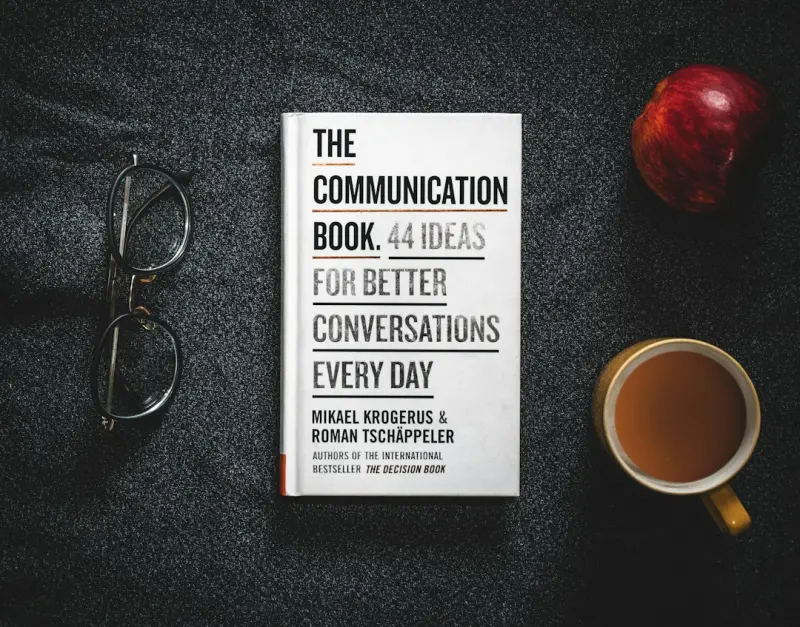
When I first stepped into the world of B2B marketing, I was told that the buyer’s journey had become a straight line—awareness, consideration, decision, and then the inevitable “thank you” email. Decades later, that line is now a sprawling, multi‑dimensional web, and the most successful brands are those that treat each touchpoint as a conversation rather than a transaction.
From One‑Way Broadcasts to Two‑Way Dialogues
Traditional B2B campaigns often feel like a megaphone aimed at an empty room. You craft a polished whitepaper, schedule a webinar, and hope the right person hears it. The problem? By the time the prospect actually engages, the market landscape has shifted, their priorities have evolved, and the original message feels stale.
The antidote is simple yet profound: turn every piece of content, every ad, every email into an invitation to converse. This shift from broadcast to dialogue is the heart of what I call conversational commerce for B2B. It’s not just about chatbots or live‑chat windows—it’s about designing an ecosystem where the prospect can ask questions, get instant answers, and feel heard at every stage.
Why Conversational Commerce Matters Now
Three forces are converging to make conversational commerce the new normal:
- Instant expectations. In a consumer world where “add to cart” happens in seconds, B2B buyers expect the same speed of response.
- Information overload. Prospects sift through countless PDFs, case studies, and webinars. A real‑time conversation cuts through the noise.
- Human‑centric buying. Decision makers are no longer isolated executives; they are teams of individuals seeking trust, empathy, and relevance.
When you align your marketing engine with these realities, you create moments that feel personal, immediate, and valuable—exactly the ingredients needed to move prospects from curiosity to commitment.
Designing a Conversational Architecture
To build a conversational experience that scales, you need three foundational pillars:
1. Context‑Aware Messaging
Every interaction should be informed by where the prospect is in their journey. If they just downloaded a technical guide, surface a short video that walks through the most complex section. If they’ve attended a live demo, follow up with a tailored Q&A session that addresses the specific concerns raised during the call.
2. Seamless Channel Integration
Conversations don’t happen in a vacuum. A prospect might start a chat on LinkedIn, continue via email, and finish on a web widget. Your platform must synchronize these threads so the dialogue feels continuous, no matter the channel.
3. Real‑Time Knowledge Base
Equip your sales and support teams with a dynamic knowledge repository that pulls the latest product specs, pricing models, and case studies. When a prospect asks, “How does your solution integrate with our existing ERP?” the answer should be immediate and accurate.
Technology Enablement Without Over‑Engineering
Many companies reach for the most complex AI stacks, believing that sheer sophistication equals better conversations. In practice, a lean stack—combining a robust CRM, a conversational platform, and a real‑time analytics layer—delivers higher ROI.
For example, integrating a conversational layer with your existing Composable Architecture allows you to plug in new messaging modules without rebuilding the entire system. This modularity ensures you can iterate quickly, testing different dialogue flows and measuring impact in days rather than months.
Humanizing the Bot: The Role of Empathy
Automation doesn’t have to feel robotic. By embedding empathy into your bot scripts, you can mirror the tone and cadence of a seasoned sales rep. Here’s a quick checklist:
- Use the prospect’s name and reference their company.
- Acknowledge pain points before offering solutions.
- Offer options—“Would you like a quick demo or a deep‑dive technical walkthrough?”—instead of a single, hard‑sell CTA.
- Include a human fallback: “If you’d prefer to speak with a specialist, just let me know.”
When prospects feel heard, they’re far more likely to share critical buying criteria, which fuels better segmentation and personalization down the line.
Metrics That Matter in Conversational B2B
Shifting to a conversation‑first approach changes the KPI landscape. Traditional metrics like click‑through rate still matter, but new indicators take center stage:
- Conversation Completion Rate. The percentage of initiated chats that reach a meaningful resolution (e.g., scheduled demo, content download).
- Time to First Response. The average seconds a prospect waits before receiving a reply.
- Sentiment Score. Automated sentiment analysis of chat transcripts to gauge satisfaction.
- Intent Signals. Keywords or phrases that indicate readiness to buy, captured in real‑time.
By monitoring these metrics, you can continuously refine scripts, train bots, and align sales outreach with the moments that truly drive revenue.
Case Study: Turning a Quiet Lead into a Champion
One of our clients—an enterprise security platform—was struggling with a high‑value prospect that had downloaded a whitepaper but never booked a demo. By deploying a contextual chatbot on the resource page, the bot asked a single, tailored question: “Which compliance frameworks are you focusing on this quarter?” The prospect answered, triggering an immediate invitation to a live, compliance‑focused demo with a senior engineer.
Result? The prospect not only booked the demo but later became a reference customer, citing the “instant relevance” of the interaction as the decisive factor.
Best Practices for Scaling Conversational Commerce
As you expand your conversational footprint, keep these guidelines front and center:
- Start Small, Iterate Fast. Pilot on a single high‑traffic page, collect data, and refine before a full rollout.
- Align Sales and Marketing. Ensure that the handoff from bot to human is smooth, with shared context and clear next steps.
- Maintain Brand Voice. Your bot should sound like a natural extension of your brand—professional yet approachable.
- Prioritize Data Privacy. Even though we’re not focusing on privacy‑first tactics here, respecting consent and transparency remains non‑negotiable. For a deeper dive, see our guide on Privacy‑First Marketing at Scale.
- Continuously Train. Use real conversation logs to improve AI intent recognition and expand your knowledge base.
The Human Touch Remains Irreplaceable
While technology powers the conversation, the human element decides its success. Empower your team with insights from every chat—common objections, emerging trends, and sentiment trends—to inform product roadmaps and content strategies. When humans and bots work in harmony, the buyer experience transforms from a series of transactions into a collaborative journey.
Looking Ahead: The Future of B2B Conversations
Imagine a world where every prospect’s profile is enriched in real time by their own words, where AI predicts the next question they’ll ask, and where the entire buying cycle feels like a fluid, personalized dialogue. That future isn’t a distant fantasy; it’s the next logical evolution of the conversational frameworks we’re building today.
By embracing conversational commerce, you’re not just adding another channel—you’re redefining how value is exchanged. And in a market where attention is scarce and expectations are high, that redefinition can be the competitive edge that turns prospects into lifelong partners.

In the world of freelance writing, where creativity and adaptability are paramount, Michelle Fisher stands out as a dedicated and versatile professional. With a passion for crafting compelling narratives and a keen eye for detail, Michelle has established herself as a trusted voice.
Related Posts

Gamify Your Funnel: Turning Leads into Loyal Players
Rose DesRochers reveals how turning the traditional sales funnel into a game‑like experience can e... Read More

Ephemeral Marketing: How Brands Win in the Blink of an Eye
Explore the power of short‑lived marketing, from psychology to platforms, tactics, measurement, an... Read More
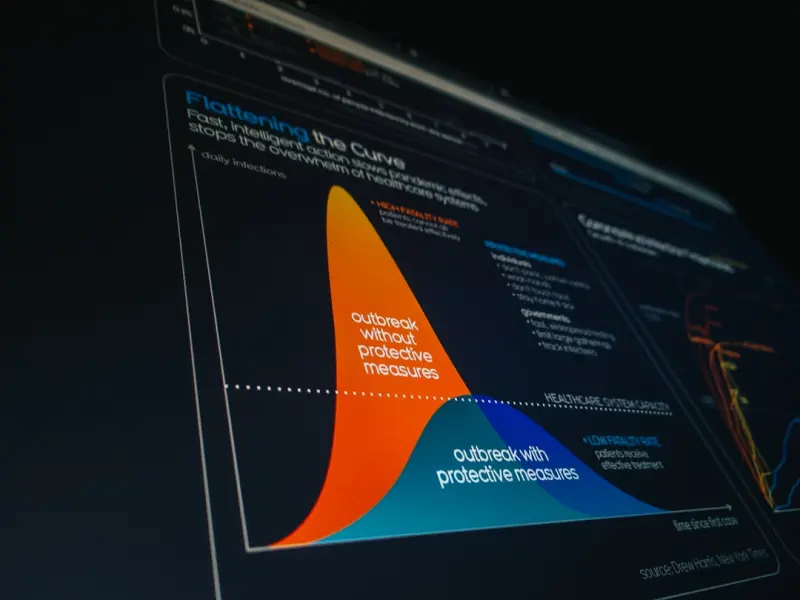
Storytelling Meets Data: A New Playbook for SaaS Marketers
A practical guide showing how SaaS marketers can transform raw metrics into relatable stories, integ... Read More
Top Posts

Edge Computing: The Real‑Time Engine Driving Modern SaaS
Edge computing brings low‑latency processing, localized data handling, and scalable compute off‑load to SaaS platforms, unlocking better performance, compli...Read More

The Silent Surge: Audio‑First Marketing for SaaS Growth
A deep dive into why SaaS companies should embrace audio‑first marketing, from podcasts to voice‑activated ads, with practical steps to integrate sound into...Read More

Google Maps Platform: Boosting B2B SaaS Field Ops
Learn why integrating Google Maps Platform is a game‑changer for B2B SaaS field operations, from route optimization and real‑time asset tracking to customer...Read More

Why Progressive Web Apps Are the New Frontier for SEO
Explore the rise of Progressive Web Apps in SEO, learn core web vitals strategies, structured data tactics, and actionable steps to dominate search rankings wit...Read More
0 Comments
Post Comment
You will need to Login or Register to comment on this post!