

Turning Your Home Into a Low‑Stress Powerhouse
When the world tells you to hustle harder, I’m the first to argue that the real competitive edge starts at the front door. I’ve spent the last decade juggling client calls, sprint reviews, and midnight brainstorming sessions from a kitchen table that doubled as a conference room. The lesson? A well‑tuned home isn’t just a backdrop—it’s an active participant in your productivity, creativity, and sanity.
The “Three‑Layer” Blueprint for a Home That Works for You
Most productivity guides focus on the “what” – tools, apps, schedules. I prefer to start with the “where.” Think of your home as a three‑layer system:
- Foundation Layer: Physical layout, lighting, and acoustics.
- Function Layer: Dedicated zones that align with the work you do most often.
- Feel Layer: Sensory cues that trigger focus, calm, or inspiration.
By addressing each layer deliberately, you’ll move from “I’m working at home” to “My home is working for me.”
Layer One – Building a Solid Physical Base
Before you buy any fancy chair, evaluate the fundamentals.
1. Light as a Productivity Lever
Natural light is the original “blue‑light filter.” Position your primary work surface near a window that receives morning sun. If that’s impossible, invest in a daylight‑mimicking LED lamp with a high CRI (color rendering index). The goal is to keep your circadian rhythm in sync so you feel alert after a morning coffee and naturally wind down by evening.
2. Acoustic Hygiene
Open‑plan homes can become echo chambers for conference calls. Simple acoustic panels—think thick canvas or even a decorative tapestry—absorb mid‑range frequencies that make voices sound tinny. For a budget‑friendly fix, hang a row of felt blankets or a reclaimed wood shelf filled with books. The added visual weight also signals “focus zone” to anyone who walks by.
3. Temperature Consistency
Thermal discomfort is a silent productivity killer. A programmable thermostat that learns your schedule can keep the office space at a steady 70°F (21°C) while allowing the rest of the house to stay energy‑efficient. Pair this with a small desk fan for quick air circulation during summer heat spikes.
Layer Two – Crafting Intentional Zones
Even in a studio‑apartment, you can carve out mental compartments. The trick is to keep the zones distinct, both visually and functionally.
1. The “Launch Pad” Desk
This is where the day begins. Keep it minimalist: a laptop stand, a wireless keyboard, a notepad, and one or two “focus items” like a plant or a small sculpture that signals to your brain that it’s go‑time. Clear the surface of everything that isn’t a daily tool; the less you see, the less you’ll feel compelled to use.
2. The “Deep‑Work Nook”
If you need extended periods of concentration—writing proposals, coding, design sprints—set up a secondary station that’s deliberately more isolated. A rolling room divider, a bookshelf, or even a freestanding curtain can create a visual barrier. Pair it with a noise‑cancelling headset and a timer set to 45‑minute work blocks.
3. The “Recharge Corner”
Productivity isn’t about nonstop grinding; it’s about strategic recharge. Dedicate a low‑light corner to a comfortable chair, a soft blanket, and a small speaker for ambient soundscapes. Use this space for meditation, reading, or quick power naps. When you step away from the launch pad, your brain gets a cue to shift modes.
Layer Three – Sensory Triggers That Keep You Aligned
We all know the power of a visual cue—a sticky note, a color‑coded folder. Extend that principle to smell, sound, and touch.
1. Signature Scents
Research shows that specific aromas can boost focus (peppermint) or calm (lavender). Keep a small diffuser on your desk and rotate scents based on the task at hand. On heavy‑analysis days, go for citrus; on creative brainstorming days, opt for rosemary.
2. Curated Soundtracks
Instead of defaulting to “background music,” build playlists that correspond to your work rhythms. Low‑tempo instrumental for deep work, upbeat indie for admin tasks, and natural soundscapes for the recharge corner. The key is consistency—your brain learns to associate certain beats with specific activities.
3. Tactile Anchors
A textured mousepad, a weighted blanket, or a smooth stone you can hold while on calls provides subtle sensory feedback that grounds you. These tactile anchors are especially useful when you’re transitioning between zones; they remind your nervous system of the intended mindset.
Practical “Low‑Tech” Hacks for Immediate Impact
You don’t need a smart‑home ecosystem to see results. Here are three analog upgrades that pay off instantly.
- Color‑Coding Power Strips: Use colored electrical tape to differentiate chargers for work devices vs. personal devices. This visual split reduces the temptation to blend personal browsing into work hours.
- Paper‑Based Task Board: A small corkboard with sticky notes organized by “Today,” “Soon,” and “Later” provides a physical manifestation of your digital to‑do list, decreasing screen fatigue.
- Floor‑Level “Cable Garden”: Route all cords through a discreet channel beneath a rug or along baseboards. A tidy floor reduces tripping hazards and the subconscious stress of visual clutter.
Integrating Tech Without Overcomplicating
While the focus of this post is low‑tech, strategic tech can still amplify your home’s efficiency. If you’re curious about how more advanced solutions fit into this framework, check out the tech‑savvy home tricks article for a balanced perspective. The idea is to layer tech on top of a solid analog foundation, not the other way around.
Community‑Focused Design: Borrowing from Hospitality
Ever notice how boutique hotels make you feel instantly at ease? They achieve that with thoughtful spatial flow, consistent branding, and a sense of belonging. The post community‑hosted stays explores how travelers experience that magic. You can translate those principles to your own residence:
- Shared Spaces with Purpose: Design a hallway gallery that displays rotating artwork or family photos. It creates a narrative thread that ties rooms together.
- Welcome Rituals: Place a small tray of fresh fruit or a scented candle by the entryway. It signals to both you and guests that the space is curated and cared for.
- Personal “Key” Items: A signature mug, a favorite throw, or a vintage record player can become the “logo” of your home, reinforcing identity without a logo.
Maintaining the System – A Weekly “Home Sprint”
Just as you would run a weekly sprint for a product backlog, schedule a 30‑minute “home sprint” every Sunday. Use the time to:
- Reset the launch pad: declutter the desk, delete old files, and refill the water bottle.
- Refresh the recharge corner: wash the blanket, change the diffuser oil, and rotate the reading material.
- Audit the zones: check lighting bulbs, test acoustic panels, and ensure temperature settings align with the upcoming week’s schedule.
This ritual keeps the three layers aligned and prevents small issues from snowballing into major distractions.
Conclusion – Your Home as a Competitive Advantage
In a world that glorifies constant connectivity, the most powerful differentiator is a sanctuary that supports focus, creativity, and recovery. By treating your home as a three‑layer system—physical foundation, functional zones, and sensory triggers—you’ll not only boost daily output but also cultivate a long‑term habit of intentional living. Remember: the goal isn’t to turn your house into a sterile office; it’s to let the comfort of home amplify the brilliance of your work.

Shawn DesRochers is a certified Microsoft technician and Programmer with 30+ year's experience. He has written many reviews on computer related products, software, and SEO related topics. When he's not writing reviews he can be found at one of the Oldest Directories Online Business Directory USA which he is the CEO of.
Related Posts

Transform Your Home into a Year‑Round Sanctuary
Discover easy, budget‑friendly ways to turn every room into a soothing sanctuary with layered ligh... Read More

Creative Home Hacks to Elevate Everyday Living
Explore innovative, low‑cost home hacks that turn ordinary rooms into personalized retreats, impro... Read More
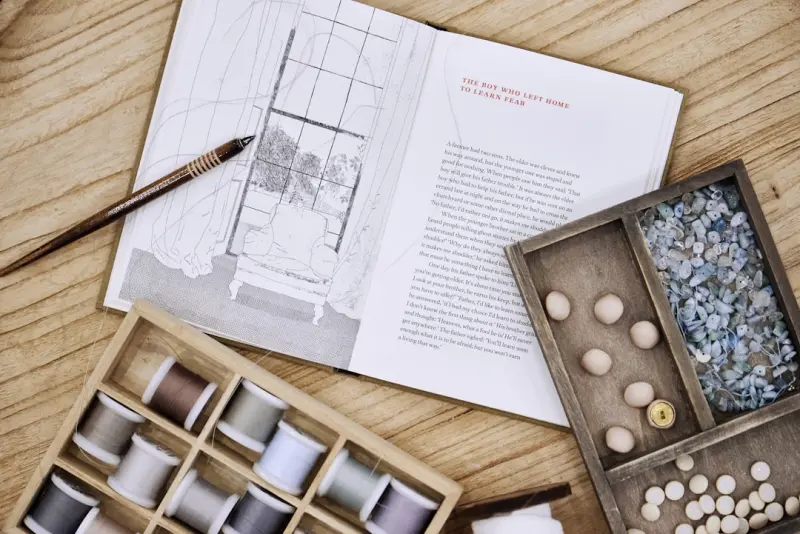
Crafting a Calm, Productive Home Sanctuary
Discover practical steps to turn any room into a calming, productivity‑boosting sanctuary by focus... Read More
Top Posts

Riding the Google AI Wave: Rose DesRochers’ Insider Take on 2024’s Search Revolution
Rose DesRochers unpacks Google’s 2024 AI wave, exploring Gemini, MUM, and actionable SEO strategies to stay ahead in the evolving search world....Read More

Chasing Hidden Rituals: A Journey Beyond the Tourist Trail
Explore the art of “ritual roadtripping” and learn practical steps to find and join hidden local ceremonies for unforgettable, immersive travel experiences....Read More
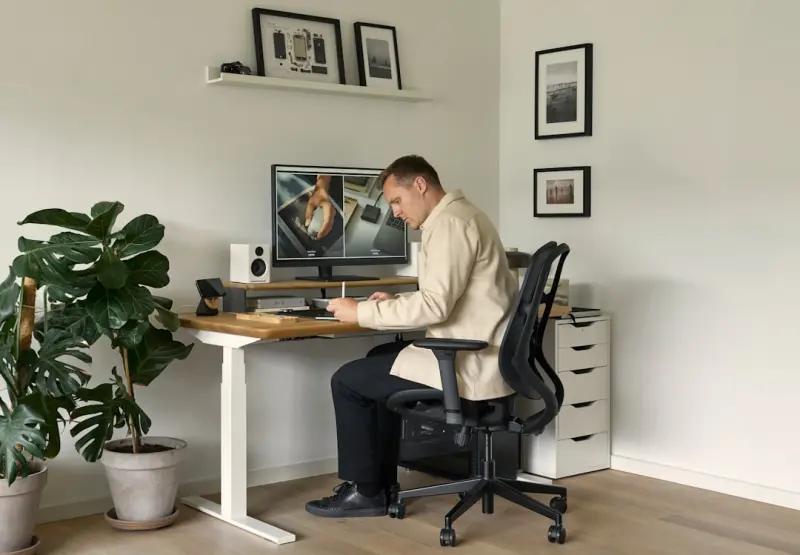
The Silent Power of Posture: Boosting Remote Team Resilience
A deep dive into why everyday posture matters for remote workers, practical micro‑adjustments, and how integrating posture into team culture can drive perform...Read More

The Hidden SEO Levers That Drive SaaS Growth
Learn how to leverage structured data, semantic clusters, and a robust internal linking strategy to transform your SaaS website into a high‑performing SEO eng...Read More
0 Comments
Post Comment
You will need to Login or Register to comment on this post!