

Why Search Trends Are the New Business Compass
Every day, millions of people type questions, wishes, and frustrations into Google, creating a live map of collective intent. When you tap into that map, you uncover what’s shifting in the market before press releases or analyst reports catch up. By treating search queries as an early‑warning system, brands can pivot content, product features, and messaging with the same agility that startups use to outrun incumbents.
Decoding Google’s Real‑Time Data Signals
Google Trends offers a free, visual snapshot of keyword momentum, but the real power lies in the granular data behind the scenes—seasonal spikes, regional variations, and related queries that paint a richer picture. Instead of chasing vanity metrics, focus on search velocity (how fast interest is rising) and search depth (how many related topics emerge). Pairing this with Google’s “Related Topics” widget reveals adjacent interests you can target before they become mainstream buzz.
Building a Trend‑First Content Calendar
The key to turning raw search data into publishable gold is a disciplined workflow. Start with a weekly “trend audit” where you pull the top five rising queries in your niche, then map each to a content format—blog post, video, or carousel—that aligns with your audience’s consumption habits. By scheduling these pieces in advance, you ensure your site is always the first to answer the questions people are actively typing, boosting click‑through rates and dwell time.
Leveraging Google’s “People Also Ask” for Topic Clusters
Most marketers overlook the “People Also Ask” (PAA) box, yet it’s a treasure trove of sub‑questions that signal deeper intent layers. Extract the top three PAA prompts for each primary keyword, then group them into a cluster that supports a pillar page. This structure not only satisfies Google’s topical relevance criteria but also guides readers through a logical learning path, increasing internal linking equity and reducing bounce rates.
Turning Seasonal Peaks into Evergreen Assets
Seasonal spikes—like “best tax software” in early spring—can be harvested for long‑term value. Create a comprehensive guide that addresses the peak query and continuously update it with fresh data, case studies, and user‑generated content. Over time, the page accumulates authority, ranking for both the original seasonal term and related evergreen keywords, delivering a steady flow of organic traffic year after year.
Integrating Google’s Hidden Toolbox for Workflow Efficiency
Beyond the obvious analytics, Google provides under‑used features that streamline the trend‑to‑content pipeline. For example, Google’s Hidden Toolbox includes custom alerts that notify you when a keyword’s interest surges beyond a set threshold. Pair this with Google Sheets’ IMPORTXML function to automatically pull related queries into a live dashboard, eliminating manual data entry and freeing up creative time.
Ensuring Data Privacy While Mining Search Insights
Privacy concerns are front‑and‑center, especially after Google’s recent emphasis on user consent. To stay compliant, rely solely on aggregated, anonymized data from Google Trends and avoid scraping individual user sessions. By aligning your research methods with the principles outlined in Inside Google’s Quiet Revolution, you protect user trust while still harvesting actionable market signals.
From Insight to Innovation: Feeding Product Teams
Search trends don’t just inform content; they can spark product development. When you notice a recurring pain point—say, “how to track freelance invoices”—use that insight to prototype a lightweight tool or feature that directly addresses the need. Present the data alongside competitor analysis in a concise deck, and watch how product roadmaps become more responsive to real‑world demand, shortening time‑to‑market.
Measuring Success: KPI Dashboards That Reflect Trend Impact
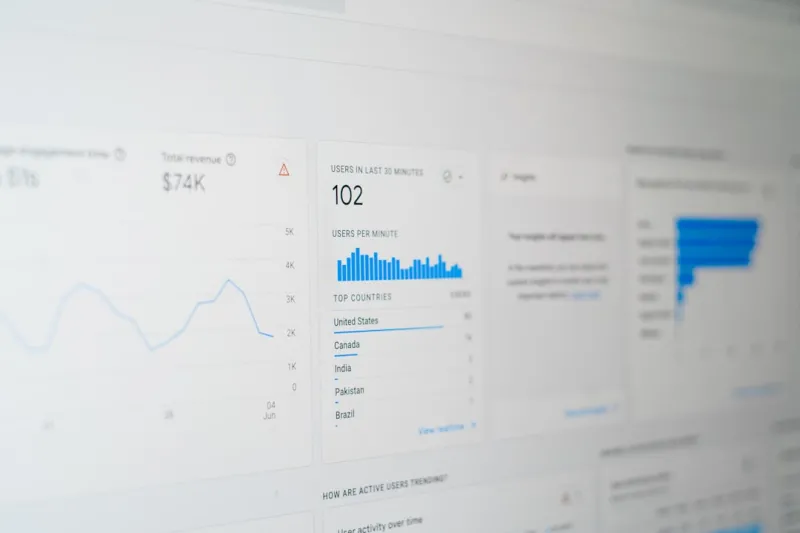
Traditional SEO KPIs—organic traffic and keyword rankings—are necessary but not sufficient to gauge trend‑driven strategies. Add metrics like “Trend Capture Rate” (percentage of rising queries you’ve published for) and “First‑Mover SERP Share” (how often you rank in the top three for a newly emerging term). Visualize these in a Google Data Studio report, overlaying them with conversion data to prove that early trend adoption directly boosts leads and revenue.
Scaling the Approach Across Teams and Platforms
Finally, embed the trend‑first mindset into your organization’s culture. Conduct monthly workshops where SEO, content, product, and paid media teams share their latest search insights, fostering cross‑functional collaboration. Encourage experimentation with A/B tests that compare trend‑driven headlines against baseline copy, using the results to refine future keyword selection. When every team speaks the language of search intent, your brand moves from reactive to proactively shaping consumer conversations.

Robert Mathews is a professional content marketer and freelancer for many SEO agencies. In his spare time he likes to play video games, get outdoors and enjoy time with his family and friends .
Related Posts
Riding Google’s AI Wave: A Marketer’s Playbook for Staying Human
Explore a marketer’s insider guide to using Google’s AI tools while preserving brand authenticit... Read More

Riding Google’s AI Wave: A Human‑First Marketer’s Perspective
Explore a human‑first approach to Google’s AI-driven search, blending authenticity with technolo... Read More

Google’s 2024 AI Wave: Rose DesRochers’ Insider Take on the Revolution
Rose DesRochers reveals how Google’s 2024 AI upgrades—from Gemini to AI‑enhanced visual search... Read More
Top Posts

Turning Search Intent into a Growth Engine for SaaS
A deep dive into why search intent matters more than keywords for SaaS SEO, with actionable steps for clustering queries, technical foundations, AI‑assisted c...Read More

When AI Becomes Your Strategic Co‑Pilot: Decision Intelligence for SaaS Leaders
Artificial intelligence is evolving from flashy demos to silent decision‑making partners. Learn how SaaS companies can embed AI‑powered decision intelligenc...Read More

Beyond Text: How Google Lens is Redefining Real‑World Search
Explore how Google Lens turns your camera into a powerful search tool, blending AI, shopping, education, and accessibility into seamless real‑world discovery....Read More

Travel‑Backed Empathy: Turning Journeys into Leadership Gold
Explore how real‑world travel experiences can sharpen empathy, reshape leadership, and deliver tangible ROI for global teams....Read More
0 Comments
Post Comment
You will need to Login or Register to comment on this post!