
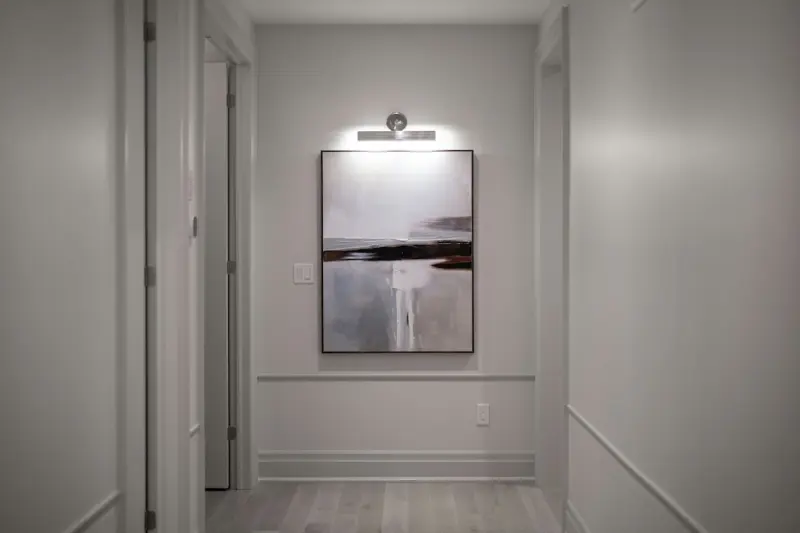
Welcome to Your Hallway: The Overlooked Space That Can Transform Your Home
When most people think about home upgrades, kitchens and bathrooms steal the spotlight. As someone who has spent countless evenings rearranging shoes, jackets, and stray mail, I’ve learned that the hallway—often dismissed as a mere passage—holds the secret to a calmer, more functional home. In this post I’ll walk you through practical, budget‑friendly ways to turn that narrow stretch of floor into a stylish welcome zone that boosts organization, mood, and even energy efficiency.
Why the Hallway Deserves Your Attention
First, let’s acknowledge the hallway’s unique position. It’s the first thing guests see, the last thing you notice when you leave, and the daily traffic hub for every family member. A cluttered hallway can create visual noise, make you feel rushed, and even waste energy as you fumble for keys or shoes in the dark. By treating this space as a mini‑room rather than a corridor, you can:
- Set the tone for the rest of the house with a cohesive design.
- Reduce daily friction by establishing dedicated spots for everyday items.
- Improve indoor climate by managing drafts and airflow.
- Boost home resale value—buyers notice the first impression.
Think of the hallway as the “front porch” of your interior. It’s where the first smile happens, and that smile can start with a well‑placed coat hook.
Step 1: Light Up the Way
Good lighting does more than illuminate a space; it influences mood and perception of size. If your hallway feels like a dim tunnel, try these quick fixes:
- Swap out a single bulb for LED bulbs with a warm color temperature (2700‑3000K). They use less power and last longer.
- Add a wall‑mounted sconce at each end. It creates a balanced glow without taking up floor space.
- Install a motion‑sensor switch. You’ll never forget to turn the lights off, which is a tiny win for energy savings—especially if you’re curious about a DIY home energy audit for renters.
- Use mirrors strategically. A mirror opposite a light source reflects light deeper into the hallway, making it feel larger.
Even a modest $30 investment can turn a shadowy hallway into a welcoming pathway.
Step 2: Define Zones with Purposeful Furniture
Just as a living room might have a reading nook and a TV area, your hallway can host functional zones. Here’s a simple layout plan:
- Drop‑off zone – A narrow console table or a slim bench at the entry for mail, keys, and bags.
- Footwear corner – A low‑profile shoe rack or a stylish cubby that keeps shoes out of sight.
- Coat and accessory station – Wall‑mounted hooks, a small basket, or a decorative pegboard.
If floor space is limited, think vertical. A tall, narrow modular storage hack can hold everything from umbrellas to pet leashes without sacrificing style.
Step 3: Choose a Cohesive Color Palette
Neutral tones like soft greys, warm beiges, or muted blues create a calming backdrop. To add personality, incorporate a single accent—perhaps a deep navy runner rug or a splash of mustard in decorative pillows. The rule of thumb: keep walls and larger pieces neutral, then layer color through accessories. This approach makes the space feel intentional rather than haphazard.
Step 4: Add Personality with Art and Greenery
Hallways often lack personality because they’re “just a passage.” Flip that script by:
- Hanging a gallery wall of small, framed prints or family photos. Keep frames uniform for a curated look.
- Placing a tall, low‑light plant like a snake plant or ZZ plant. These thrive in low‑light conditions and improve air quality.
- Using decorative trays on a console to corral keys, sunglasses, and loose change.
Plants not only add a pop of green but also help filter indoor pollutants, subtly supporting a healthier environment.
Step 5: Tackle the Sound Issue
Open‑plan homes can echo, and hallways amplify that effect. Reduce noise without sacrificing aesthetics by:
- Adding a soft runner rug that absorbs footfall sounds.
- Installing acoustic panels that double as decorative wall art.
- Choosing upholstered furniture—a bench with cushion or a fabric‑covered wall hook set.
These simple touches can make conversations in adjoining rooms feel more intimate.
Step 6: Smart Storage Solutions for Tiny Spaces
Even a modest hallway can become a storage powerhouse with clever tricks:
- Use the back of doors for hanging organizers—perfect for scarves, dog leashes, or cleaning supplies.
- Opt for pull‑out baskets that slide under a console, keeping clutter hidden.
- Install a recessed niche in the wall for a slim display of books or decorative items.
Remember, the goal is to keep surfaces clear and items easily accessible. A tidy hallway sets the tone for a tidy home.
Step 7: Keep It Fresh with Seasonal Switch‑Ups
One of the joys of a well‑designed hallway is that it can evolve with the seasons. Rotate décor elements to keep the space feeling fresh:
- Spring – Light pastel throw pillows and a vase of fresh tulips.
- Summer – A bright, patterned runner and a citrus‑scented diffuser.
- Fall – Warm, textured blankets and a small pumpkin centerpiece.
- Winter – Plush fur throws and a scented pine cone arrangement.
These swaps take only minutes but provide a renewed sense of welcome each time you step inside.
Step 8: Maintenance Habits that Stick
All the design work in the world won’t help if the hallway falls back into chaos. Adopt these easy habits:
- 15‑minute nightly sweep—Put everything back in its designated spot before bed.
- Weekly mail purge—Sort incoming mail, recycle junk, and file important items.
- Monthly deep clean—Vacuum the rug, dust surfaces, and wipe down any glass or mirrors.
Consistency turns your hallway makeover into a lasting lifestyle upgrade.
Putting It All Together: A Real‑World Example
Here’s how I applied these principles in my own home:
- Installed a motion‑sensor LED sconce at the top of the stairs.
- Mounted a narrow pegboard with brass hooks for coats and bags.
- Placed a reclaimed‑wood console with a hidden drawer for mail and keys.
- Added a charcoal‑gray runner rug and a tall snake plant in a decorative pot.
- Hung three 8×10 frames in a linear arrangement featuring black‑and‑white cityscapes.
The transformation was immediate. Guests commented on the “thoughtful entrance,” and I found myself spending less time hunting for my keys each morning. Plus, the motion sensor lights cut my electricity usage by a measurable amount—a subtle win for both convenience and the planet.
Final Thoughts: Your Hallway, Your Canvas
Don’t underestimate the power of a well‑designed hallway. With intentional lighting, purposeful zones, cohesive colors, and smart storage, you can create a space that welcomes, organizes, and energizes. The changes are modest, the impact is big, and the results last. Start small—perhaps with a new hook or a runner—and watch how each addition builds momentum toward a hallway you’ll actually be proud to show off.

In the world of freelance writing, where creativity and adaptability are paramount, Michelle Fisher stands out as a dedicated and versatile professional. With a passion for crafting compelling narratives and a keen eye for detail, Michelle has established herself as a trusted voice.
Related Posts
Creating a Sensory Sanctuary at Home: A Step‑by‑Step Guide
Discover a step‑by‑step method to turn any room into a sensory sanctuary, blending light, textur... Read More
Seasonal Weatherization: Low‑Cost Tricks to Keep Your Home Comfortable Year‑Round
Learn a step‑by‑step, year‑round weatherization plan that saves money, improves comfort, and i... Read More

Quiet Corners & Sensory Hacks for Home Harmony
Paul Flynn shares practical, low‑tech strategies to enhance light, sound, scent, and texture at ho... Read More
Top Posts

Surfing Google’s AI Surge: Rose DesRochers’ Insider Playbook for 2024
Rose DesRochers reveals how marketers can ride Google’s AI surge in 2024, offering actionable audits, audience hacks, and ethical tactics to stay ahead of the...Read More

Riding Google’s AI Wave: A Human‑First Marketer’s Perspective
Explore a human‑first approach to Google’s AI-driven search, blending authenticity with technology for lasting SEO success....Read More

Why Data Clean Rooms Are the New Frontier for B2B Digital Marketing
Data clean rooms provide a secure, privacy‑first way for B2B marketers to match and analyze first‑party data, unlocking accurate attribution, hyper‑person...Read More

Purpose‑Driven Travel: How Adventure Meets Impact
Purpose‑driven travel lets you turn wanderlust into measurable impact. Learn how to design itineraries, choose sustainable gear, unplug authentically, and sup...Read More
0 Comments
Post Comment
You will need to Login or Register to comment on this post!