
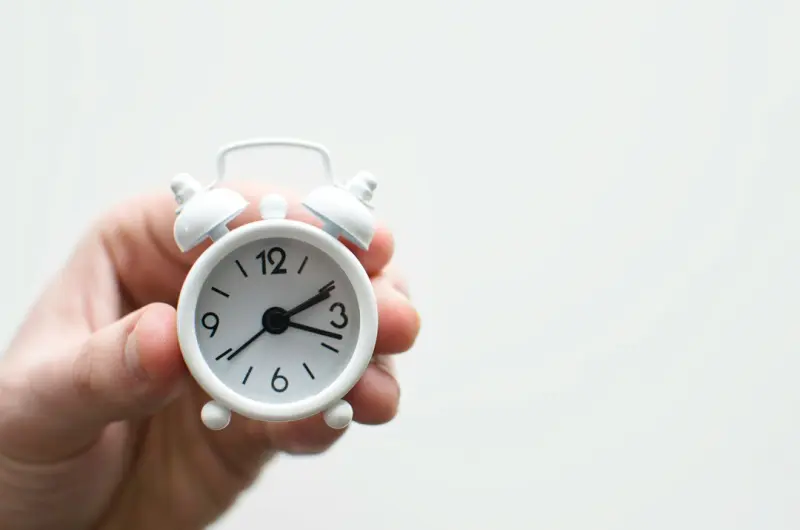
Rewiring Your Body Clock: A Practical Guide for Modern Professionals
When I first stepped into the world of high‑intensity consulting, I treated my body like a second project—something to be optimized, tweaked, and, when necessary, rebooted. Over the years I’ve watched the relentless push‑for‑productivity grind down even the most disciplined teams, and I realized that the missing piece wasn’t more tools or more data; it was a fundamental misunderstanding of our own circadian rhythm. In this post I’ll walk you through a science‑backed, low‑tech playbook to realign your internal clock, boost immunity, sharpen focus, and, yes, keep you feeling human in a hyper‑digital world.
Why the Body Clock Matters More Than You Think
Most of us think of health as calories in vs. calories out, or perhaps the latest bio‑hack promising a 10‑minute “energy boost.” The reality is that every cell in your body follows a 24‑hour schedule dictated by the suprachiasmatic nucleus—a tiny cluster of neurons in the brain that acts as the master timekeeper. Disrupt that rhythm, and you’ll notice:
- Reduced metabolic efficiency, leading to stubborn weight gain.
- Blunted immune response, making you a magnet for seasonal bugs.
- Impaired cognitive function, especially during the so‑called “afternoon slump.”
- Long‑term hormonal imbalances that increase stress and lower mood.
In short, a misaligned clock isn’t just a mild inconvenience; it’s a silent driver of chronic disease and productivity loss. The good news? You can recalibrate it without a PhD in chronobiology.
The Three Pillars of Clock‑Resetting
Think of your circadian rhythm as a three‑legged stool. If any leg is uneven, the whole thing wobbles. The legs are light exposure, meal timing, and movement patterns. Below, I break down each pillar into actionable steps you can implement at your desk, in the kitchen, or during a quick walk outside.
1. Mastering Light Exposure
Light is the most potent cue for your brain’s internal clock. Natural sunlight during the morning signals “wake up,” while dim lighting in the evening tells your body it’s time to wind down. Here’s how to make light work for you:
- Morning Sunburst: Spend at least 15 minutes within 30 minutes of waking in bright, natural light. If you’re stuck in a high‑rise office, position your desk near a window or use a Layered lighting and fresh air strategy to simulate daylight.
- Blue‑Light Discipline: Between 7 p.m. and bedtime, switch off all screens or use a blue‑light filter set to warm tones. Your retina’s photoreceptors are far more sensitive to blue wavelengths, and they can keep melatonin production at bay.
- Evening Ambiance: Dim the lights to a candle‑like glow, and consider incorporating home soundscapes that mimic natural dusk – soft rain or distant crickets can cue the brain that it’s time to rest.
2. Timing Your Meals Like a Pro
When you eat can be just as important as what you eat. Your digestive system has its own clock, and feeding it at irregular intervals throws the whole system off‑balance. Follow these guidelines:
- Eat Within a 12‑Hour Window: If you finish dinner by 8 p.m., aim for breakfast no later than 8 a.m. This “time‑restricted eating” aligns metabolic processes with daylight, improving insulin sensitivity.
- Prioritize Protein Early: Consuming a protein‑rich breakfast stabilizes blood sugar and reduces cravings later in the day. Think Greek yogurt, eggs, or a plant‑based protein shake.
- Avoid Heavy Late‑Night Snacks: Your body’s ability to process carbs and fats drops after 7 p.m., which can lead to increased fat storage and disrupted sleep.
3. Movement That Mirrors the Sun
Physical activity is not just a calorie‑burning tool; it also signals to your brain that it’s daytime. But you don’t need a marathon – just strategic movement.
- Morning Activation: A 5‑minute stretch or a brisk 10‑minute walk within the first hour of waking boosts cortisol in a controlled way, giving you natural alertness.
- Mid‑Day Power‑Break: Use a 3‑minute “micro‑movement” session (think desk‑push‑ups or calf raises) to break up sedentary time and reinforce the day’s rhythm.
- Evening Wind‑Down: Light yoga or tai chi after dinner signals the nervous system to transition into rest mode, especially if paired with deep breathing exercises.
Integrating the Pillars into a Real‑World Routine
All the theory in the world won’t help if you can’t translate it into daily habits. Below is a sample “clock‑reset” schedule that you can adapt to fit a typical 9‑to‑5 professional life.
- 06:30 – Sunrise Wake‑Up: Open curtains, sip water, step onto a balcony or sit by a window for 15 minutes of natural light.
- 07:00 – Protein‑Heavy Breakfast: Greek yogurt with berries, a handful of nuts, and a cup of green tea.
- 07:30 – 5‑Minute Stretch: Neck rolls, cat‑cow, and a few sun salutations to awaken muscles.
- 09:00 – Light Snack (if needed): An apple or a small portion of hummus with carrot sticks.
- 12:00 – Lunch: Lean protein, plenty of veggies, and a complex carb (quinoa, sweet potato). Eat away from the screen to savor the meal.
- 13:00 – Post‑Lunch Walk: 10‑minute stroll outside, ideally in sunlight.
- 15:30 – Micro‑Movement Break: Stand, do 10 squats, and stretch arms overhead. This aligns with the “Micro‑Moments” principle of short, high‑impact actions.
- 18:30 – Dinner: Light, balanced plate; avoid heavy sauces and sugar.
- 19:30 – Dim Light & Soundscape: Switch to warm bulbs, play a calming ambient track, and begin winding down.
- 20:00 – Screen‑Free Time: Read a physical book, journal, or meditate.
- 22:00 – Bedtime: Dark, cool room (around 65 °F) for optimal melatonin release.
This schedule is a template, not a rulebook. The goal is to create a predictable pattern that your body can lock onto, reducing the mental energy spent on “what should I do next.”
Tools and Tech That Support, Not Distract
While the core of clock‑resetting is low‑tech, a few carefully chosen digital aids can keep you on track:
- Light Therapy Lamps: If natural sunrise isn’t feasible (think winter months), a 10,000‑lux lamp for 20 minutes can simulate dawn.
- Meal‑Timing Apps: Simple timers that remind you of your eating window help maintain consistency.
- Wearable Sleep Trackers: Focus on devices that provide trend data rather than obsessing over nightly numbers. Look for “sleep consistency” scores.
The key is to avoid “notification overload.” Turn off every alert that isn’t directly tied to your clock‑reset plan.
Addressing Common Objections
“I’m a night owl; this won’t work for me.” Your natural preference is part of your chronotype. The goal isn’t to force an early bird schedule but to create a regular pattern within your existing tendencies. If you’re most alert after 10 p.m., shift your work window later, but still respect the light‑dark cues – use blackout curtains for sleep and bright lights for the evening work period.
“I travel frequently; my schedule is always changing.” When crossing time zones, treat the first two days as a reset period. Prioritize morning sunlight at the new location, keep meals within a 12‑hour window, and avoid caffeine after mid‑afternoon. The same principles apply, just with a temporary adjustment period.
“I’m already doing yoga; why add more steps?” Yoga is a fantastic component of movement, but the timing of that practice matters. Morning yoga energizes; evening yoga calms. Pair the appropriate style with the time of day for maximal benefit.
Measuring Success Without Obsession
Instead of tracking every minute, focus on three high‑level metrics over a four‑week period:
- Sleep Consistency: Aim for a standard deviation of less than 30 minutes in bedtime and wake‑time.
- Energy Scores: Use a simple 1‑5 rating each morning—note trends rather than daily fluctuations.
- Immune Resilience: Track any missed work days due to illness. A decrease is a strong indicator of circadian improvement.
When you see positive movement in these areas, you’ll know the clock is syncing.
Wrapping It All Up: A Call to Action
In an age where we chase the next data point, the most powerful upgrade you can make is internal. Your body clock is the original operating system, and it runs every other app you try to install—whether that’s a new SaaS tool, a fitness tracker, or a productivity hack. By deliberately shaping light, meals, and movement, you give that system the clean, predictable code it needs to run efficiently.
Start small. Choose one pillar—perhaps a 15‑minute sunrise ritual—and commit to it for a week. Notice how your focus changes, how your mood shifts, and how much less you rely on caffeine. Then layer the next pillar. Within a month, you’ll have built a resilient rhythm that supports both health and high performance.
Remember, the ultimate goal isn’t perfection; it’s alignment. When your body’s clock is in harmony with the world outside, you’ll find that productivity, creativity, and well‑being are no longer competing forces, but complementary allies.

Robert Mathews is a professional content marketer and freelancer for many SEO agencies. In his spare time he likes to play video games, get outdoors and enjoy time with his family and friends .
Related Posts

Micro‑Movement Mastery: Boosting Health and Performance at the Desk
Micro‑movement offers a low‑effort, high‑impact way to counteract the harms of sitting. Learn ... Read More

Screen Fatigue: Unmasking the Hidden Health Crisis of Our Digital Lives
Screen fatigue silently harms our eyes, posture, and mind. This article reveals the science behind d... Read More

Heat and Cold: The Surprising Science Behind Contrast Therapy
Contrast therapy—alternating heat and cold exposure—offers powerful health benefits from faster ... Read More
Top Posts
Audio SEO: Turning Podcasts into Powerful Search Engines for Brands
Learn to transform your brand’s podcast into a high‑impact SEO tool, leveraging searchable transcripts, guest authority, and interactive audio to drive traf...Read More

Strategic Vacations: Turning Leisure Into Business Insight
Learn how to design a Strategic Vacation that blends relaxation with purposeful observation, turning everyday travel moments into powerful business insights and...Read More

Ambient Computing: The Invisible Engine Powering Tomorrow’s Devices
Explore the rise of ambient computing—how subtle, context‑aware technology is reshaping homes, offices, and the way brands interact with users, all while bo...Read More
When AI Becomes Your SaaS Team’s Silent Strategist
Discover how a discreet AI “silent strategist” can cut decision fatigue, surface unbiased insights, and boost product velocity for SaaS teams, all while sta...Read More
0 Comments
Post Comment
You will need to Login or Register to comment on this post!