
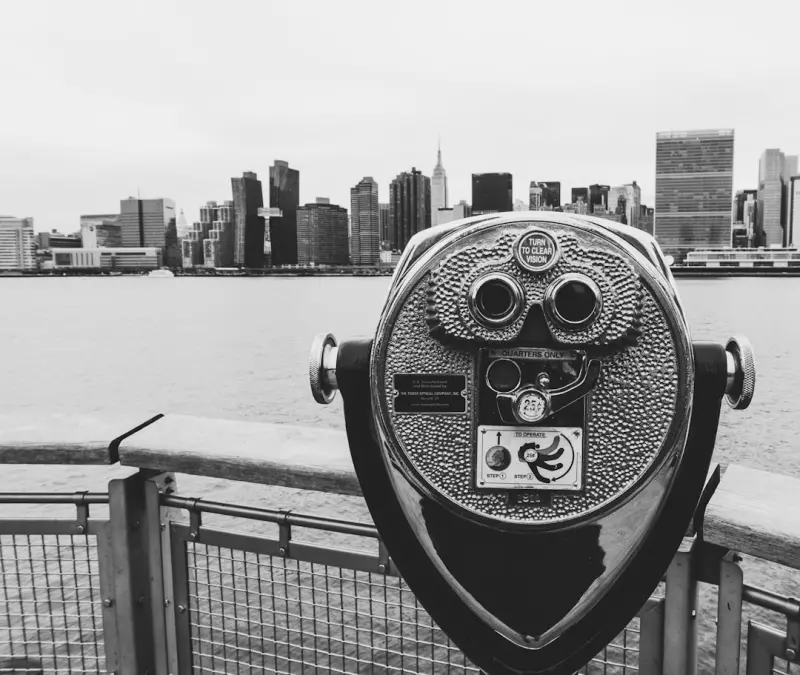
Seeing Cities Through a New Lens: How Augmented Reality is Redefining Urban Exploration
When I first set foot in Kyoto with nothing but a backpack and a notebook, I felt like an archaeologist unearthing layers of history that the city had tucked away for centuries. That thrill of discovery never left me, but the tools I use to dig deeper certainly have. Over the past few years, augmented reality (AR) has moved from a gimmick on smartphones to a subtle, almost invisible guide that reshapes how we experience streets, museums, and cafés. In this post I’ll walk you through why AR is no longer a novelty, how it’s changing the travel narrative, and what savvy explorers can do today to ride the wave without getting lost in the hype.
The Quiet Evolution of AR in Travel
Back in the early 2010s, AR was synonymous with pixel‑perfect Pokémon‑catching and clunky museum overlays that required you to point a bulky device at a plaque and hope the text would line up. Fast forward to today, and the technology has become a context‑aware, low‑latency companion that blends into the environment like a whisper. The difference isn’t just in the graphics; it’s in the intent.
- From novelty to utility: Modern AR apps can read a street sign, recognize a building’s façade, and instantly pull up multilingual histories, user‑generated anecdotes, and even the current crowd level.
- From isolation to integration: Instead of pulling you away from the moment, AR layers information in a way that lets you stay present. Think of it as a “silent partner” that offers insight only when you ask for it.
- From static to dynamic: Real‑time data streams—weather, transit, local events—feed directly into the AR experience, allowing you to pivot your itinerary on the fly.
These shifts are powered by advances in machine learning, edge computing, and 5G connectivity. If you’re curious about the backend, check out how AI‑powered travel assistants are already learning your preferences and adjusting recommendations before you even finish a sentence.
Why Travelers Love AR (Even If They Don’t Know It Yet)
It might sound counter‑intuitive, but the most compelling AR experiences are those that stay out of the spotlight. Here are three reasons why the subtlety works:
- Reduced Decision Fatigue: When you land in a new city, the flood of “what to see” options can be overwhelming. AR can surface the most relevant spots based on your interests, time of day, and even your current mood. A quick glance at a café’s AR badge might reveal it’s a hidden gem beloved by locals, sparing you endless scrolling on review sites.
- Enhanced Storytelling: A stone wall isn’t just a wall; it’s a timeline of battles, restorations, and community gatherings. AR can animate those stories, letting you watch a medieval siege unfold right before your eyes, all while you stand on the very spot where it happened.
- Personalized Memory Capture: Instead of a generic photo, AR lets you embed a digital note, a voice memo, or a sketch into the location. Years later, a simple AR scan of the same spot can pull up a collage of those personal moments, turning ordinary travel logs into living museums.
Practical Ways to Start Using AR on Your Next Trip
Before you book a flight, here’s a quick checklist to make sure you’re ready to harness AR without becoming a tech‑addict:
- Device Prep: Most modern smartphones (iOS 14+ or Android 11+) have built‑in AR capabilities. Ensure your OS is updated, and install a reputable AR app—many are free or offer a freemium tier.
- Download Offline Packs: While 5G is spreading fast, you’ll still encounter dead zones. Apps that let you pre‑download city data (maps, points of interest, language packs) will keep the experience smooth.
- Calibrate Your Sensors: A quick compass and gyroscope calibration can prevent drift, which is the most common complaint among early adopters. Spend a minute in a quiet spot before you head out.
- Set Your Intent: Most AR platforms ask what you’re looking for—history, food, nightlife, etc. Choose a theme, and let the app curate a path that respects your focus.
- Mind the Battery: AR is a power‑hungry beast. Carry a portable charger, and consider enabling battery‑saving mode (lower frame rate, reduced lighting effects) if you plan an all‑day trek.
Case Study: AR in the Streets of Lisbon
Last spring I spent a week in Lisbon, a city that has embraced AR like a modern explorer’s compass. Using a local AR guide, I discovered three hidden experiences that would have been impossible to find otherwise.
- Fado Walls: While strolling through Alfama, AR markers on the tiled walls revealed short video clips of legendary fado singers performing in the very spots where they once sang. The overlays also displayed translated lyrics, turning a casual walk into an immersive cultural lesson.
- Tile Workshops: A simple AR icon on a modest workshop door opened a 3‑minute tutorial on the art of azulejo painting. I ended up signing up for a hands‑on session that night, something I never would have known about through conventional travel guides.
- Live Traffic Heatmap: By pointing my phone at the riverfront, I accessed a live AR heatmap showing pedestrian traffic. This helped me avoid the crowds during the famous “Sundown Samba” event, allowing for a more relaxed sunset view.
This real‑world example illustrates how AR can act as a personal concierge without the high price tag of a private guide. If you’re interested in how other travel‑focused platforms blend technology and storytelling, the Travel Light, Live Large guide offers a complementary perspective on traveling light while still staying connected.
AR Meets Audio: The Next Frontier in Immersive Travel
While visual overlays are the most obvious component of AR, the auditory dimension is quietly reshaping how we absorb a place’s vibe. Imagine walking down a narrow lane in Marrakech and hearing a faint echo of a market trader’s call from centuries ago, layered gently over the modern hum of scooters. This “audio‑first” approach is gaining traction, and it dovetails nicely with audio‑first marketing trends that prioritize sound as the primary storytelling medium.
Here’s why audio‑enhanced AR is a game‑changer:
- Accessibility: For travelers with visual impairments, sound cues provide the same depth of information without relying on sight.
- Emotional Resonance: Music, ambient noises, and spoken word can trigger stronger emotional responses, making memories more vivid and lasting.
- Layered Narratives: You can choose to hear a historian’s scholarly account, a local’s personal anecdote, or even a fictional story that blends fact and myth—all from the same location.
Many AR apps now allow you to toggle “audio mode,” turning any point of interest into a mini‑podcast that plays automatically when you’re within a certain radius.
Balancing the Digital with the Authentic
It’s easy to get swept up in the novelty of AR, but the best travelers know that technology should amplify—not replace—the authentic experience. Here are three guidelines to keep the balance right:
- Set Boundaries: Decide on specific moments when you’ll engage with AR (e.g., while navigating, before entering a museum) and when you’ll go “offline” to fully absorb the atmosphere.
- Prioritize Human Interaction: Use AR to discover local events or meet‑ups, then engage directly with people. A quick AR scan of a flyer might lead you to a community dinner where you learn about traditions first‑hand.
- Reflect, Don’t Record: Instead of snapping endless AR screenshots, take a moment to write down what struck you—be it a story, a sound, or a feeling. This practice turns digital data into personal insight.
Future Glimpses: What’s Next for AR in Travel?
Looking ahead, a few trends are poised to make AR even more integral to how we wander:
- Mixed‑Reality Wearables: Smart glasses that project AR overlays directly onto your field of view are moving from prototype to consumer market. No more phone‑hand juggling; your eyes become the interface.
- AI‑Driven Personalization: Building on the capabilities of AI decision intelligence, future apps will anticipate your interests before you articulate them, curating a hyper‑personalized itinerary in real time.
- Community‑Generated AR Content: Travelers will be able to upload their own AR markers—think of it as a collaborative, living map where every user contributes a layer of insight.
- Eco‑Conscious Overlays: As sustainability becomes non‑negotiable, AR can highlight low‑impact routes, carbon‑neutral businesses, and green initiatives in real time, nudging travelers toward responsible choices.
These advancements promise a future where the line between the physical and digital blurs, creating a seamless tapestry of sight, sound, and story.
Getting Started: Your First AR Adventure Checklist
Ready to dip your toes into this brave new world? Follow this simple, three‑step plan before you board your next flight:
- Choose an AR Platform: Look for apps that support both visual and audio layers, have good offline capabilities, and respect privacy (no unwanted data mining).
- Scout a Destination: Research whether the city you’re heading to has a thriving AR ecosystem. Many major tourism boards now list “AR‑ready” attractions on their websites.
- Test the Waters: Spend an hour exploring a nearby landmark using AR. Notice how the experience feels—does it enhance your understanding or distract you? Adjust settings accordingly before you go full‑scale.
Remember, AR is a tool, not a replacement for curiosity. The real magic happens when technology meets the human desire to explore, learn, and connect.
Conclusion: Embrace the Overlay, Stay Grounded
Travel has always been about stepping outside your comfort zone and seeing the world through new lenses. Augmented reality offers a literal new lens—one that can enrich your journey without stealing the spotlight. By approaching AR with intention, balancing digital input with genuine human encounters, and staying aware of the evolving landscape, you’ll unlock layers of a city that most tourists never see. So the next time you stand beneath a centuries‑old arch, consider pulling up an AR overlay. You might just discover a secret story that changes the way you remember that moment forever.

Robert Mathews is a professional content marketer and freelancer for many SEO agencies. In his spare time he likes to play video games, get outdoors and enjoy time with his family and friends .
Related Posts
The Sensory Journal: Turning Travel Moments into Tangible Memories
A travel journal isn’t just a notebook—it's a sensory archive that deepens presence, encourages ... Read More

Rediscovering the Joy of Slow Rail Travel
Step aboard historic trains, savor regional flavors, and forge lasting connections as we uncover why... Read More
Beyond Checklists: Crafting a Living Travel Narrative
Learn to transform trips from static checklists into dynamic stories by choosing a narrative lens, s... Read More
Top Posts

Sustainable Marketing: Turning Purpose into Profit
Explore the power of sustainable marketing, where purpose meets profit. Learn actionable tactics to embed eco‑conscious values into campaigns, win loyal custo...Read More

AI‑Powered Decision‑Fatigue Relief: Reclaiming Focus for B2B SaaS Teams
Artificial intelligence can act as a cognitive off‑ramp, handling low‑level decisions to free up mental bandwidth for high‑impact strategy, driving faster...Read More

Gamify Your Funnel: Turning Lead Nurture into a Playful Journey
Learn how to redesign your B2B funnel with game mechanics—progress bars, quests, and rewards—to increase engagement, accelerate conversions, and build lasti...Read More

Interactive Video: The Untapped Engine Driving B2B Digital Marketing
Interactive video turns passive watching into active participation, delivering personalized experiences, rich intent data, and higher conversion rates for B2B m...Read More
0 Comments
Post Comment
You will need to Login or Register to comment on this post!