
Why Structured Data Is the Missing Link in SaaS SEO
When I first started optimizing SaaS sites, the focus was almost always on keyword placement and backlink building. Those tactics still matter, but they’re the tip of the iceberg. The real lever that separates a good SaaS landing page from a great one is structured data. By telling search engines exactly what your product does, who it’s for, and how it integrates, you give Google the confidence to surface your offering in rich results that drive clicks and qualified leads.
From Generic Tags to Precise Schemas
Most SaaS marketers treat meta tags like a checklist: title, description, H1. It’s a necessary step, but it’s also generic. Structured data, on the other hand, is precise. Using the SoftwareApplication schema, you can define the operating system, pricing model, and even the availability of a free trial. When Google understands those details, it can display your product directly in the SERP, complete with price and rating stars—an immediate trust signal for prospects.
- SoftwareApplication: Communicates core product details.
- Offer: Highlights pricing tiers, discounts, and trial periods.
- AggregateRating: Shows real user feedback without a separate review platform.
Implementing these schemas isn’t just about copy‑pasting JSON‑LD snippets. It’s about aligning the markup with the actual user journey on your site. If your free‑trial button lives on the pricing page, make sure the Offer schema reflects the exact trial length and any credit‑card requirements.
International SEO: Scaling Structured Data Across Borders
Many SaaS companies launch in English first and then translate the UI for other markets. However, the markup often stays stuck in English, which confuses multilingual search engines. The solution is simple: localize your schema attributes. Use inLanguage for each language version and provide localized priceCurrency values. This not only improves visibility in local SERPs but also prevents duplicate‑content penalties.
When you combine localized schema with hreflang tags, you create a powerful signal that tells Google: “This page is the correct version for users in France, Germany, Brazil, etc.” The result? Higher click‑through rates from regional searches and a cleaner, more trustworthy brand presence worldwide.
Optimizing API Documentation for Search Engines
API docs are often hidden behind technical portals, making them invisible to search engines. Yet, developers are a huge segment of SaaS decision‑makers. By applying the TechArticle schema to your documentation, you can surface key endpoints, authentication methods, and usage limits directly in search results. Think of it as an SEO‑friendly “quick start guide” that appears before anyone even clicks through.
Here’s a quick checklist for API‑centric SEO:
- Use descriptive, keyword‑rich titles for each endpoint (e.g., “Create Customer – POST /v1/customers”).
- Mark up code samples with
CreativeWorkto enable rich snippets. - Include
dateModifiedso Google knows when the API changed. - Provide a concise
descriptionthat answers “What does this endpoint do?” in under 160 characters.
Once you publish the structured data, you’ll start seeing “API reference” cards appear in search, driving qualified developer traffic that’s ready to integrate your platform.
Core Web Vitals: The Technical Backbone of SEO Success
Google’s emphasis on page experience isn’t a fad; it’s a ranking factor that directly impacts SaaS conversion funnels. A product page that loads in 1.2 seconds with a LCP (Largest Contentful Paint) under 2.5 seconds signals reliability—a critical attribute for enterprise buyers. To align Core Web Vitals with structured data:
- Prioritize lazy loading for hero images while keeping the
ImageObjectschema intact. - Serve lightweight JSON‑LD asynchronously to avoid blocking rendering.
- Compress and cache your JavaScript bundles, especially those that power interactive demos.
When the technical health of your site meets Google’s standards, the rich results you’ve painstakingly built can actually appear for users, not just in theory.
Mapping Search Intent to Product Features
Intent research has evolved beyond “informational vs. transactional.” SaaS buyers often start with a problem statement (“How to automate invoice processing”) and later move to a feature‑specific search (“SaaS invoice automation API”). By aligning your schema with these intent stages, you guide users from discovery to decision.
Here’s how you can operationalize intent mapping:
- Problem‑Based Pages: Use the
FAQPageschema to answer pain‑point questions. - Feature‑Based Pages: Deploy
SoftwareApplicationmarkup that highlights the exact capability (e.g., “AI‑driven invoice extraction”). - Comparison Pages: Leverage
ProductComparisonto showcase why your solution beats alternatives.
When search engines see a clear progression from problem to solution in your markup, they’re more likely to surface the appropriate page at each stage of the buyer’s journey.
Measuring the Impact of Structured Data
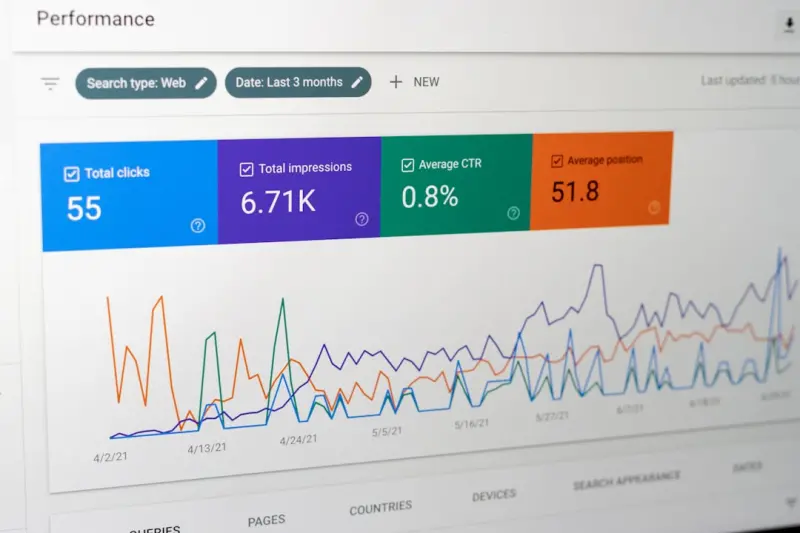
Implementing markup is only half the battle; you need to track its performance. Google Search Console offers a “Rich Results” report that shows impressions, clicks, and average position for each schema type. Set up a dashboard that tracks:
- Impressions and CTR for
SoftwareApplicationrich snippets. - Clicks on API documentation cards.
- Average time on page for localized product pages (a proxy for relevance).
Combine this data with your CRM to see whether rich‑result clicks correlate with higher MQL conversion rates. Over time, you’ll be able to fine‑tune your schema, remove low‑performing markup, and double‑down on the formats that drive real revenue.
Common Pitfalls and How to Avoid Them
Even seasoned marketers stumble when introducing structured data. Below are the most frequent mistakes and quick fixes:
- Over‑stuffing markup: Adding every possible schema can confuse Google. Stick to the most relevant types.
- Inconsistent data: If the price in your
Offerschema doesn’t match the on‑page price, Google may discard the rich snippet. - Neglecting updates: SaaS pricing and features evolve rapidly. Set reminders to audit your JSON‑LD quarterly.
- Missing fallback content: Not all crawlers read JSON‑LD. Ensure the same information appears in the visible HTML.
Addressing these issues early saves you from lost visibility and the dreaded “rich result disapproved” notifications.
Integrating Structured Data Into Your Existing SEO Playbook
If you’re already following the topic clusters strategy, think of structured data as the “schema layer” that sits on top. Each pillar page can have a WebPage schema, while the cluster content inherits the Article markup. This alignment reinforces the thematic relevance Google looks for.
Similarly, the insights from SaaS help center SEO can be extended. Your knowledge base articles are perfect candidates for the FAQPage schema, which often appears in the coveted “People also ask” box. By marrying help‑center content with product‑page schema, you create a cohesive, cross‑linked SEO ecosystem that feeds both users and search bots.
Future‑Proofing: Preparing for Emerging Search Features
Search is moving toward AI‑driven answers and conversational experiences. While the conversational search playbook covers the broader shift, structured data will be the backbone that powers those AI responses. When a user asks, “Which SaaS platform offers a free trial for invoicing?” the engine will pull from your Offer and SoftwareApplication markup to generate an accurate answer.
Investing in clean, up‑to‑date schema today ensures your SaaS product stays visible as search evolves from keyword matching to semantic understanding.
Final Thoughts: Turning Schema Into a Competitive Advantage
SEO for SaaS isn’t just about rankings; it’s about delivering the right information to the right person at the exact moment they’re ready to buy. Structured data does the heavy lifting by translating your product’s technical specs into human‑readable, search‑friendly snippets. When paired with international SEO, API‑doc optimization, and robust Core Web Vitals, you create a search presence that feels native, trustworthy, and, most importantly, conversion‑ready.
Take the time to audit your existing pages, map out the most relevant schema types, and set up a monitoring routine. In a crowded SaaS landscape, the companies that let search engines “read” their product details clearly will be the ones that rise to the top of the SERP—and the buyer’s shortlist.

Karen Edwards is a seasoned freelance writer with a passion for all things furry, feathered, and scaled. With a dedicated focus on pets, she brings a wealth of knowledge and a keen eye for detail to her writing.
Related Posts

Unlocking SEO Authority with the Voice of Your Community
Leverage real customer voices to power your SEO. Learn actionable steps for gathering, optimizing, a... Read More

Zero‑Click Search: How to Own the SERP Snippet Space
Discover strategies to win featured snippets, FAQ boxes, and other zero‑click results, turning imp... Read More

Entity‑Driven SEO: Making Your SaaS Platform an Authority in Search
Entity‑driven SEO transforms the way SaaS companies are found online by connecting content to clea... Read More
Top Posts

Carbon‑Aware SaaS: Building Sustainable Cloud Services from the Ground Up
A deep dive into carbon‑aware SaaS, exploring architectural patterns, measurement dashboards, and cultural shifts that turn sustainability into a competitive ...Read More

How Business Travelers Can Turn Every Trip into a Competitive Advantage
Every business trip holds hidden data and opportunities. Discover a systematic approach to turning flights, layovers, and local encounters into actionable insig...Read More

Google AI Marketing Secrets: Stay Human and Thrive
From my front‑line experiments with Google AI, I reveal how to blend data, creativity, and humanity, ensuring your brand rides the wave without losing its sou...Read More

Why Progressive Web Apps Are the SEO Game‑Changer You Need
Progressive Web Apps blend native app speed with web accessibility, delivering faster load times, higher engagement, and stronger SEO signals. Learn how to impl...Read More
0 Comments
Post Comment
You will need to Login or Register to comment on this post!