
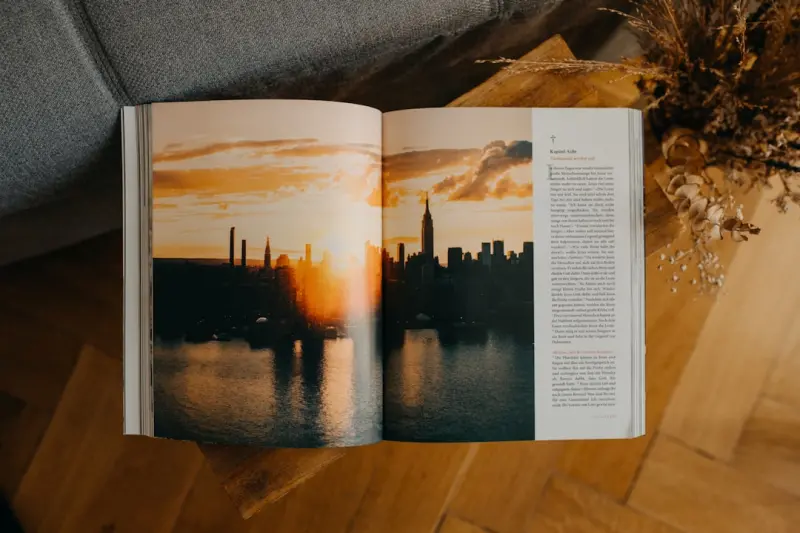
Beyond Sightseeing: Crafting a Travel Narrative That Sticks
When I first set foot on a bustling market in Marrakech, I wasn’t just hunting for a postcard‑perfect photo. I was hunting for a story—one that would sit in my mind like a well‑aged wine, mellowing with each retelling. Travel, at its heart, is a dialogue between the place and the storyteller. Yet too often we treat it as a checklist: “see the Eiffel Tower, eat sushi in Tokyo, snap a selfie at the Grand Canyon.” The result? A collection of fragmented memories that feel as fleeting as a tweet.
In this piece, I’ll walk you through a fresh, tactile approach to travel that leans into the senses, the people, and the quiet moments that usually slip past the Instagram scroll. Think of it as a guide to turning every trip into a narrative you’ll want to revisit, share, and even rewrite.
The Power of a Narrative Lens
Storytelling is not a new concept—humans have been swapping tales around campfires for millennia. What’s new is the way we can harness that ancient impulse with modern tools. Instead of letting a destination dictate the story, you become the author, choosing the chapters, the characters, and the plot twists.
Here’s why it matters:
- Memory retention. Our brains store information in narrative form more efficiently than in isolated facts.
- Emotional resonance. A story that captures how you felt—a rush of wind on a mountaintop, the warmth of a stranger’s smile—sticks longer than a list of landmarks.
- Connection. When you share a well‑crafted travel story, you invite listeners into your experience, forging a bond that goes beyond “I was there.”
All of this can be achieved without high‑tech gimmicks or the pressure to produce a perfectly curated Instagram feed. It’s about presence and intentional observation.
Step One: Choose a Narrative Anchor
Before you board the plane, decide on a narrative anchor—a theme that will thread through your journey. It could be a curiosity about a specific craft, a culinary quest, or an exploration of local music scenes. The anchor should be something you genuinely care about, not a trend you think will look good online.
For example, on a recent trip to Oaxaca, my anchor was “fermented flavors.” Rather than hopping from one tourist site to another, I spent days visiting mezcal distilleries, tiny family‑run pulque stalls, and a remote market where women were fermenting cactus paddles. The result? A story rich with taste, smell, and the stories of the people behind each brew.
Step Two: Deploy the Five‑Sense Checklist
Our senses are the raw material of any vivid story. While you’re strolling down a cobblestone lane, ask yourself:
- What do I see? Look beyond the obvious architecture. Notice the weathered hands of a street vendor, the way light filters through stained glass.
- What do I hear? Is there a distant call to prayer, the clatter of a nearby kitchen, or perhaps a street musician’s improvisation?
- What do I smell? Freshly baked bread, sea salt, incense, or the earthy perfume after a summer rain.
- What do I taste? Even if you’re not a foodie, a sip of tap water, a bite of a local fruit, or a piece of street‑cooked cheese can anchor a memory.
- What do I feel? The texture of a hand‑woven rug, the humidity on your skin, or the rhythm of a crowded train.
Write these observations down in a pocket notebook or a notes app within five minutes of each experience. The immediacy prevents the details from slipping away.
Step Three: Engage with Locals as Co‑Authors
Travel stories become richer when the locals are not just background characters but co‑authors. Instead of asking the generic “What’s the best thing to do here?” try deeper, open‑ended questions:
- “What’s a tradition here that most tourists miss?”
- “Can you share a childhood memory tied to this place?”
- “If you had to recommend one dish that tells the story of your town, what would it be?”
These conversations often reveal hidden alleys, secret recipes, or folklore that no guidebook can offer. And when you weave those anecdotes into your narrative, you’re honoring the people who gave you the experience.
Step Four: Capture, But Don’t Replace, the Moment
Photography and video are wonderful memory aids, but they should serve the story, not dominate it. Here’s a practical rule I use: for every ten photos you take, write a 50‑word paragraph describing the scene. The written piece forces you to articulate the feeling behind the image.
If you’re comfortable with a little tech, consider using a simple voice recorder to capture ambient sounds or a short interview with a local. Later, you can embed these audio snippets into a digital journal, creating a multisensory archive that feels alive.
Step Five: Curate the Narrative After the Trip
Back home, the raw data—photos, notes, recordings—needs polishing. This is where you can let your inner editor shine. Look for recurring motifs, surprising twists, and emotional peaks. Arrange the material into a narrative arc:
- Opening scene: Set the stage with a vivid sensory hook.
- Rising action: Introduce challenges, cultural differences, or unexpected encounters.
- Climax: The moment that changed your perception—a conversation, a view, a taste.
- Resolution: Reflect on how the experience altered you, and perhaps tie it back to your original anchor.
Don’t shy away from revisiting the same place in your story from different angles. A single market can be described through the lens of smell, then later through the lens of a conversation with a vendor about family history. This layered approach mirrors how memory works—complex, not linear.
Case Study: Turning a City Break into a Soundtrack
A few months ago, I visited Ljubljana, a city that seemed to hum with a quiet, melodic energy. My narrative anchor was “the city's soundscape.” I spent mornings with a local radio hobbyist who showed me how to tune into old shortwave frequencies that still broadcast community stories. Afternoons, I walked along the Ljubljanica River, noting the cadence of water against the stone bridge and the soft murmur of pedestrians.
Using the five‑sense checklist, I recorded the scent of fresh pastries wafting from a bakery, the taste of a honey‑drizzled pastry, and the feeling of the sun warming my shoulders as I sat on a park bench. I asked a street performer about the history behind his accordion pieces, and he shared a tale of his grandfather’s resistance songs.
When I returned home, I combined my field notes, recordings, and photos into an interactive blog post. I embedded the shortwave audio, paired it with photos of the river at dusk, and wrote a narrative that flowed like a melody—rising, dipping, and resolving. The result was a piece that resonated with readers, many of whom said they could “hear” Ljubljana even without traveling there.
Leveraging Existing Content for Inspiration
If you’re looking for ways to deepen the sensory layer of your travel narratives, you might explore how other disciplines blend data with experience. For instance, the post How Biofeedback and AI Are Redefining Modern Travel discusses how physiological data can inform journey design. While you don’t need to wear a biofeedback wristband on every trip, the principle—using real‑time feedback to enhance experience—can be applied simply: notice when your heart races on a steep climb, and write about the surge of adrenaline.
Similarly, the article The Nomadic Workspace shows how spaces we usually consider transit points can become creative incubators. When you’re stuck at an airport, treat it as a micro‑stage for observation. The hum of a distant announcement, the rhythm of rolling suitcases, and the quiet conversation of a lone traveler can all become characters in your story.
Travel as an Ongoing Narrative, Not a One‑Time Event
One of the biggest misconceptions about travel storytelling is that it ends when you step off the plane. In reality, the narrative lives on, evolving with each new journey. When you revisit a place—perhaps years later—you can compare the old story with the new, noting how the city has changed and how your perception has shifted.
Maintaining a “travel journal”—digital or analog—allows you to track these evolving narratives. Tag each entry with your anchor, the senses you focused on, and any recurring themes. Over time, you’ll see patterns emerge: maybe you’re drawn to places with vibrant street music, or you keep returning to markets that prioritize sustainable practices. Those patterns can become the foundation of a larger, personal travel philosophy.
Practical Tips for Busy Professionals
As a B2B SaaS professional, time is often scarce. Here are quick ways to integrate this narrative approach without sacrificing productivity:
- 5‑Minute Sensory Sprint. During a coffee break, take a moment to observe the café’s ambience and jot down three sensory details.
- Audio Snippet. Record a 30‑second voice memo of a sound that catches your attention—whether it’s a train whistle or a street vendor’s chant.
- One‑Sentence Reflection. At the end of each day, write a single sentence that captures the day’s emotional high point.
These bite‑size practices embed storytelling into your routine, ensuring you return home with a rich narrative, not just a spreadsheet of meetings.
Conclusion: Make Your Travels Worth Retelling
The next time you plan a trip, think less about “checking boxes” and more about “building chapters.” Choose an anchor that excites you, engage all five senses, invite locals to co‑author, and capture moments in a way that honors the experience rather than merely documenting it. When you finally sit down to write, you’ll find that the story has already taken shape in your mind, waiting for you to give it form.
Travel is an art of listening—to places, to people, to yourself. By turning each journey into a narrative you cherish, you’ll not only enrich your own memory bank but also inspire others to travel with intention.

Related Posts

Nomadic Networking: Turning Transit Spaces into Business Accelerators
Learn how to leverage transit spaces and digital tools for nomadic networking, turning every layover... Read More
AI‑Powered Travel: How Smart Assistants Are Turning Trips Into Living Conversations
AI is reshaping travel from static itineraries to dynamic, conversation‑driven journeys, offering ... Read More

The AI‑Powered Path to Authentic Travel Experiences
Travel is evolving from static itineraries to dynamic, AI‑guided journeys that blend data storytel... Read More
Top Posts
Prompt Engineering: The Strategic Asset B2B SaaS Can’t Ignore
Prompt engineering is emerging as the missing link between AI capabilities and real business outcomes. Learn how to build a prompt library, embed a prompt‑fir...Read More

Co‑Creation Labs: Turning Customers into Creative Partners
Explore the power of Co‑Creation Labs, where brands invite customers into the design process, creating authentic loyalty, faster launches, and measurable grow...Read More

Why SaaS AI Needs a Green Strategy: Tackling the Hidden Energy Bill
AI models are silently draining SaaS resources and inflating costs. This post uncovers the hidden energy bill behind AI, offers actionable tactics like model di...Read More

Surfing the 2024 Google AI Wave: Rose DesRochers’ Insider Playbook for Marketers
Rose DesRochers shares her expert playbook for navigating Google’s 2024 AI changes, offering actionable SEO tactics, content tips, and future‑proof strategi...Read More
0 Comments
Post Comment
You will need to Login or Register to comment on this post!